
Key Takeaways
- A strong small-business benefits package should match employee needs and the company’s financial capacity.
- Core coverage, retirement access, paid leave, and clear communication usually matter more than a long list of perks.
- Employers can control costs by separating employer-paid benefits from voluntary or shared-cost options.
- Annual reviews help employers identify what employees use, value, and understand.
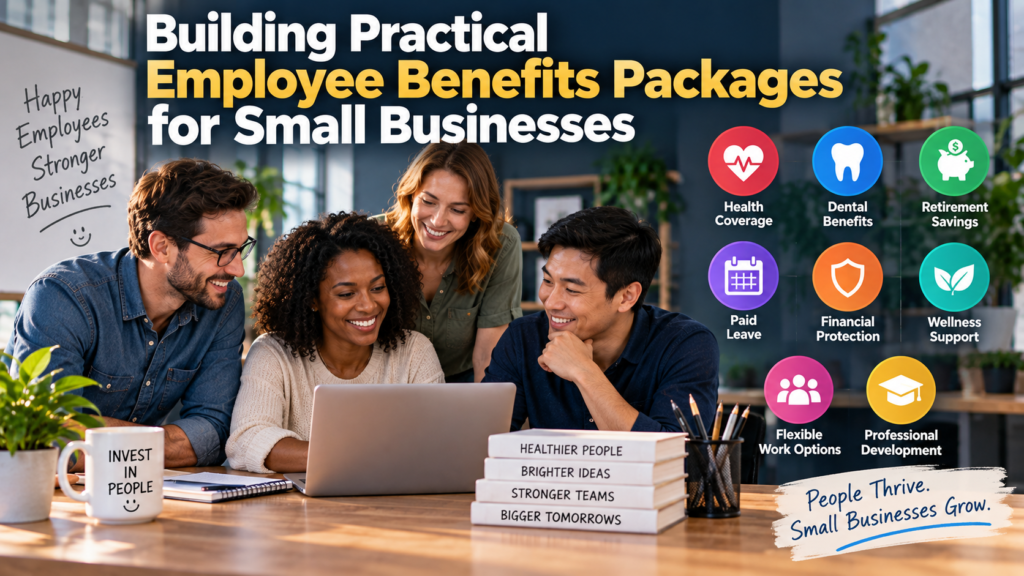
Small businesses do not need to mirror the benefits offered by a large corporation to create a competitive employee experience. A practical package can show employees that the business values their health, financial security, and time outside work. The right mix depends on workforce size, budget, location, and the needs employees identify most often.
For employers evaluating dental coverage as part of that mix, Delta Dental Insurance is one example of a small-group coverage resource to consider alongside other available plan options. The goal is not to add benefits simply because competitors offer them. It is to provide benefits that employees can understand and realistically use.
Why Benefits Matter for Small Businesses
Benefits can support recruiting, retention, employee well-being, and workplace morale. A modest but well-designed package may be more meaningful than a complicated program filled with options that employees rarely use. For example, a 15-person business may decide that dependable health coverage, dental benefits, paid sick time, and a retirement savings option are more valuable than expensive office perks.
Offering a benefit is only the first step. Employees also need to know who qualifies, what the benefit covers, what it costs them, and how to enroll. Clear explanations help people make informed decisions and can increase the perceived value of the package.
Start With a Clear Benefits Budget
Set an annual benefits budget before comparing plans. Include more than premiums or employer contributions. Account for enrollment administration, payroll setup, employee communications, renewals, compliance support, and the time required to answer questions. A realistic budget prevents a business from committing to benefits it cannot maintain.
It can help to compare three designs:

- Core coverage only: Focus on the benefits the employer considers essential.
- Core coverage with shared contributions: The employer pays a consistent portion, and employees pay the remaining cost.
- Core coverage with optional add-ons: Employees can choose and pay for selected voluntary benefits.
Ask Employees What They Value
Before changing benefits, use a brief anonymous survey to learn what employees prioritize. Ask them to rank health and dental care, vision care, retirement savings, paid time off, mental health resources, flexible schedules, family support, and professional development. Responses may vary based on income, age, caregiver responsibilities, work arrangement, and whether employees are remote, part-time, seasonal, or full-time.
Survey responses should be reviewed alongside participation data. A benefit that employees say they want but rarely enroll in may be too expensive, poorly explained, or unavailable at the right eligibility level. Conversely, strong use of a benefit can justify maintaining it even when it is not the least expensive option.
Build the Package in Benefit Tiers
Core Benefits
Core benefits address everyday needs and legal obligations. Depending on the business and applicable rules, they may include health coverage, dental coverage, paid sick leave, vacation policies, workers’ compensation, and retirement plan access. Employers should confirm federal, state, and local requirements because leave, insurance, and eligibility obligations can differ by location and workforce structure.
Protection Benefits
Protection benefits can help employees manage unexpected events. Options may include life insurance, short-term or long-term disability coverage, accident coverage, critical illness coverage, and employee assistance resources. These benefits may be employer-paid, partially subsidized, or voluntary, depending on budget and employee interest.
Flexible and Lifestyle Benefits
Flexible benefits can make a small employer more responsive without requiring a large, fixed expense. Consider flexible hours, remote or hybrid work where practical, professional development funds, wellness allowances, commuter assistance, education support, or caregiving flexibility. These options should be offered consistently and documented clearly to avoid confusion or unfair treatment.
Make Health and Dental Care Easy to Use
Preventive care can help employees address routine health and dental needs before they become more serious concerns. When evaluating plans, review provider access, deductibles, copayments, coinsurance, annual limits, and employee payroll contributions. Also consider whether the eligibility rules work for newly hired, part-time, seasonal, and remote employees.
Plain-language education is essential. Explain that a premium is the cost of coverage, a deductible is an amount paid before some plan benefits begin, a copayment is a fixed charge for a covered service, and coinsurance is a percentage of the cost shared by the member and plan. Employees should also know where to locate provider directories, identification cards, claims information, and enrollment deadlines.
Give Retirement Benefits a Fair Review
Retirement access can be a meaningful component of a benefits package. Common choices include a 401(k), SIMPLE IRA, and SEP arrangement, but each option has different contribution, eligibility, administrative, and employer funding considerations. A 401(k) can permit employee salary deferrals and employer contributions, while SIMPLE IRA and SEP arrangements may suit some smaller organizations, depending on their workforce and goals.
Employers considering these alternatives can use the retirement plan resources for small employers to compare plan types and ongoing responsibilities. Matching formulas, automatic enrollment features, vesting provisions, and employee education should all be considered before selecting a plan. A qualified tax or benefits professional can help the business apply current rules to its circumstances.
Use Tax Credits Without Losing Sight of Value
Potential tax credits may reduce the cost of establishing or administering a retirement plan, but they should not be the only reason to offer one. Eligibility and credit amounts can depend on factors such as employee count, compensation, plan design, and filing requirements. Employers should keep records of costs, employee participation, contributions, and required notices.
When reviewing eligibility, employers can consult the IRS guidance covering retirement plan startup cost credits and confirm how the rules apply before claiming a credit. A tax credit can improve affordability, but the plan should still be useful and sustainable after the credit period ends.
Communicate Clearly and Keep Administration Simple
Create a one-page benefits summary that explains available benefits, eligibility, employer contributions, employee costs, enrollment deadlines, and contact information. Follow it with a short question-and-answer session and reminders during open enrollment. Use practical examples, such as how to schedule a preventive visit, access a retirement account, or request paid leave.
Assign responsibility for eligibility tracking, enrollment, billing, employee questions, qualifying life events, and renewals. Maintain a calendar of deadlines and update records after hires, terminations, leaves, or changes in family status. Managers should explain company policies but avoid providing personal medical, legal, or tax advice.
Review the Package Every Year
Review benefits several months before renewal. Compare costs with enrollment levels, employee feedback, and administrative workload. Look for benefits that employees do not understand, options that no longer fit the workforce, and new concerns such as caregiver support or financial education. Small businesses can build lasting value by making thoughtful adjustments instead of making frequent, confusing changes.