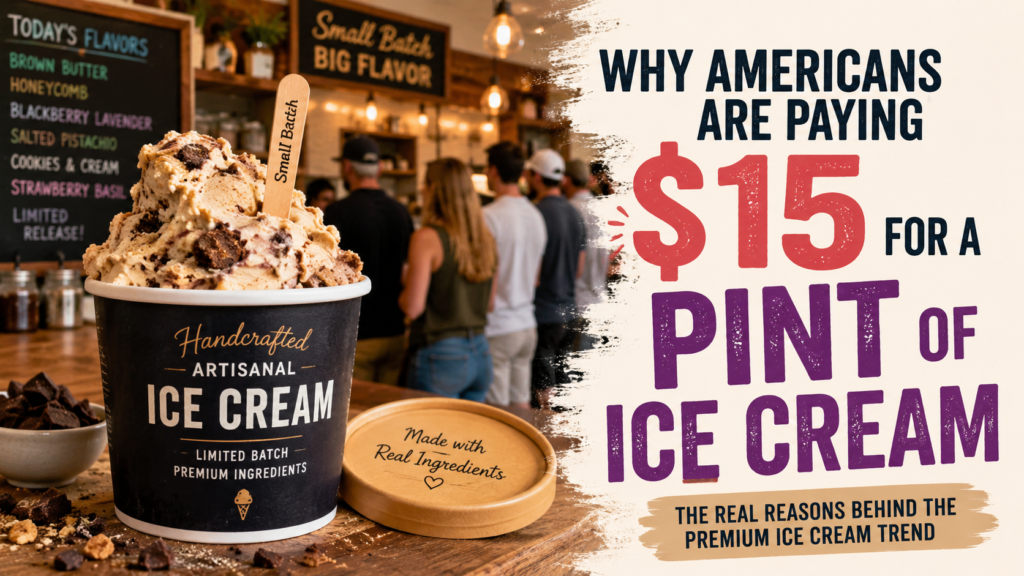
A $15 pint of artisanal ice cream may sound excessive, but small-batch creameries across the United States are attracting long lines, loyal customers, and rapid sellouts. The trend offers a revealing look at how Americans are spending during a period marked by high living costs, uneven income growth, and continued economic uncertainty.
Small Creameries Turn Limited Supply Into Demand
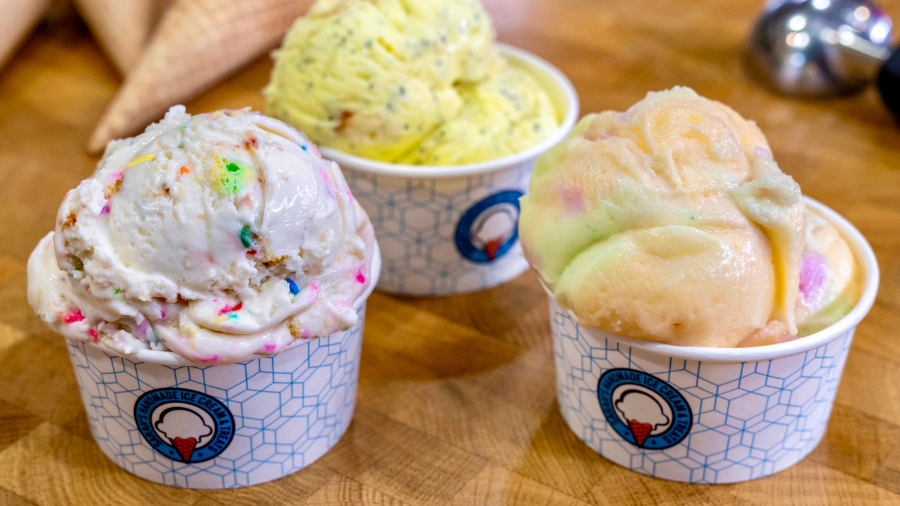
Many premium ice cream businesses began during the pandemic, when entrepreneurs used home kitchens, social media, and local pickup services to test new ideas.
Minnesota-based A to Z Creamery, for example, developed a limited-release model in which new flavors are announced online and sold during scheduled pickup periods. Similar businesses have appeared in Houston, Denver, Brooklyn, and other cities, often producing small quantities of handcrafted pints with elaborate ingredients.
The limited availability creates urgency, while unusual flavors and direct interaction with the makers give customers an experience that mass-market brands cannot easily reproduce. Higher prices also reflect smaller production runs, premium dairy, handmade mix-ins, packaging, labor, and rising operating costs.
Premium Ice Cream Highlights a Divided Economy
The popularity of expensive pints does not mean all consumers are financially comfortable. Instead, it reflects an economy in which spending power varies sharply by income and household circumstances.
Higher-income consumers may view a $15 pint as a minor purchase. Other buyers may treat it as an occasional reward that replaces a more expensive night out, restaurant meal, or weekend trip.
Economists often use the term “K-shaped economy” to describe this divide. Some households continue to spend freely, while others remain under pressure from housing, food, transportation, and borrowing costs. Premium ice cream sits between those two realities because it feels luxurious without carrying the cost of a major purchase.
Small Treats Gain Emotional Value
The trend also supports the rise of the “little treat,” a small indulgence purchased for comfort, celebration, or stress relief.
Denver’s Sadboy Creamery has leaned into this idea by promoting its products as “Emotional Support Pints.” The message connects with consumers who want an affordable moment of enjoyment during uncertain times.
For many customers, the purchase is not only about taste. It also provides anticipation, novelty, and a sense of participation in a local community.
Handmade Products Stand Out in an Automated Market
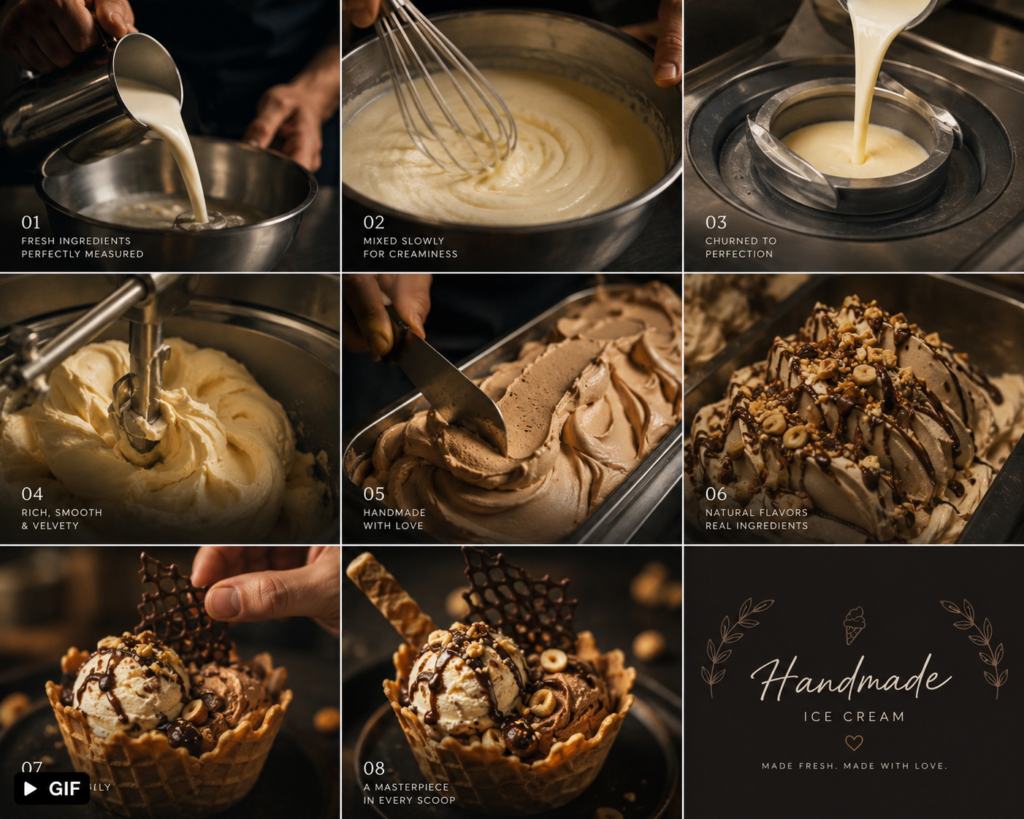
Small-batch ice cream also benefits from growing interest in products that feel personal and human-made.
As artificial intelligence and automation become more visible in daily life, consumers may place greater value on goods that demonstrate craftsmanship. Hand-prepared ingredients, seasonal recipes, and direct relationships with business owners make each pint feel distinctive.
The $15 ice cream trend is therefore more than a food story. It shows how Americans are balancing financial pressure with a continued desire for comfort, quality, and meaningful experiences.