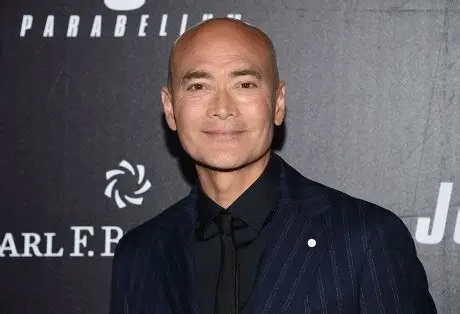
Some stories linger quietly behind fame, hidden beneath the spotlight cast on globally recognized names. Moriko McVey-Murray belongs to that category of remarkable individuals whose influence reaches far beyond public recognition. Though many know her today as the biological mother of actor and martial artist Mark Dacascos, her own life tells a far richer story shaped by music, cultural resilience, survival, and extraordinary personal strength.
Long before Mark Dacascos became known for his unforgettable performances in John Wick: Chapter 3, Brotherhood of the Wolf, and Iron Chef America, the foundation of his identity was being shaped by two vastly different but equally powerful worlds. One came from martial arts tradition through his father, Al Dacascos. The other emerged through Moriko McVey-Murray, a woman whose Irish and Japanese ancestry carried both artistic passion and deep historical tragedy.
Her life unfolded across music stages, family journeys, and cultural intersections that reflected the changing face of postwar America. Yet despite her remarkable experiences, Moriko largely remained outside mainstream celebrity attention. That contrast between private influence and public legacy makes her story deeply compelling. Behind one of Hollywood’s most distinctive martial arts actors stood a mother whose own life embodied resilience, movement, and emotional endurance.
Birth and Family Origins
Moriko McVey-Murray was born into a multicultural family background that blended Irish and Japanese ancestry, creating a personal identity shaped by two distinct cultural traditions. Her early life emerged during a period when multicultural families in America often navigated social complexities and cultural expectations that could be difficult to balance publicly.
The Japanese side of her family carried especially profound historical scars. Members of her family were reportedly killed during the Hiroshima atomic bombing in 1945, one of the most devastating moments in modern world history. According to the International Campaign to Abolish Nuclear Weapons, an estimated 140,000 people died in Hiroshima by the end of 1945 due to the atomic bombing and its aftermath. That tragedy permanently altered countless Japanese families, leaving emotional wounds that extended across generations. For Moriko, those events likely shaped not only her understanding of heritage but also the emotional depth that later influenced her life and artistic expression.
At the same time, her Irish ancestry added another cultural layer rooted in resilience, storytelling, and emotional expressiveness. The combination of Japanese and Irish heritage created a uniquely rich personal identity that reflected both discipline and artistic spirit.
Growing up within this environment likely exposed Moriko to contrasting but complementary traditions. Japanese culture often emphasizes endurance, respect, and emotional restraint, while Irish family traditions frequently celebrate storytelling, music, and expressive connection. Together, these influences may have contributed to the strength and charisma that later defined her career as a performer.
Her background also reflected a broader shift taking place in postwar America, where multicultural identities were becoming increasingly visible despite ongoing social prejudice. Families like hers represented the evolving cultural complexity of twentieth-century America long before diversity became openly celebrated in mainstream media.
That foundation of resilience, heritage, and adaptation would later become central to the family environment in which Mark Dacascos was raised.
Cultural Heritage
Moriko McVey-Murray’s cultural heritage stands as one of the most fascinating dimensions of her story. Her life represented the intersection of East and West, tradition and reinvention, survival and creativity. Few personal histories capture such a broad emotional and historical spectrum within a single family narrative.
The Japanese side of her heritage carried undeniable emotional gravity because of the Hiroshima bombing’s devastating impact on her relatives. The atomic attack on Hiroshima on August 6, 1945, killed tens of thousands instantly and permanently transformed Japanese society. Families connected to that tragedy often carried generational memories shaped by loss, displacement, and survival.
For descendants and relatives of Hiroshima victims, history is never entirely abstract. It becomes deeply personal. The trauma connected to those events frequently influenced family identity, emotional resilience, and cultural memory for decades afterward. Moriko’s connection to that history gave her background a profound emotional depth that extended beyond ordinary ancestry.
At the same time, her Irish roots brought another powerful tradition into her identity. Irish heritage has long been associated with storytelling, artistic expression, and musical influence, qualities that aligned naturally with her later career as a singer. The combination of Irish emotional openness and Japanese discipline likely contributed to the balance she carried throughout her life.
What makes Moriko’s heritage especially compelling is how seamlessly those influences appear to have coexisted within her personal story. Rather than existing as divided identities, they seem to have formed a unique cultural foundation that shaped her worldview, artistic spirit, and family life.
Personally, one of the most remarkable aspects of Moriko McVey-Murray’s story is how her multicultural background seems to have created not conflict, but an extraordinary sense of balance and emotional depth that later echoed through her family’s artistic legacy.
That multicultural identity also played an important role in shaping Mark Dacascos himself. Throughout his acting career, Mark became known for embracing roles that reflected international influences, martial arts traditions, and multicultural storytelling. In many ways, the diversity visible in his career echoes the cultural richness present in his family background.
Her Life as a Singer
Before becoming publicly associated with a famous son, Moriko McVey-Murray built an impressive life as a professional singer. Music was not merely a hobby or occasional pursuit for her. It became a defining part of her identity and professional experience.
She reportedly performed across 46 states and Canada, a remarkable accomplishment that reflected both talent and endurance. Touring at that scale required discipline, adaptability, and emotional resilience, especially during an era when the entertainment industry often demanded relentless travel and personal sacrifice from performers.
Life on the road also exposed performers to vastly different audiences and cultural environments. Singers who toured extensively during the mid-twentieth century frequently developed strong stage presence and emotional intelligence simply through constant interaction with diverse crowds. Moriko’s experiences performing across North America likely shaped her confidence, independence, and worldview in profound ways.
There is something especially striking about her career when viewed alongside her later role as the mother of an internationally recognized actor. Long before Mark Dacascos entered film and television, performance already existed deeply within the family environment through his mother’s musical career.
Her journey as a singer also reflects the often-overlooked experiences of women performers during that era. Touring entertainers frequently balanced artistic ambition with personal sacrifice, navigating industries that offered opportunity but also instability. Maintaining a long-term performing career across dozens of states demanded both passion and resilience.
At the same time, music likely provided Moriko with more than professional fulfillment. For many artists, performance becomes a way to process emotion, preserve cultural identity, and connect with people across social boundaries. Given the historical weight carried within her family background, music may have served as both expression and emotional refuge.
Even though her singing career never reached mainstream celebrity status, it remains an extraordinary part of her legacy. Her experiences as a touring performer helped create the artistic and emotionally dynamic environment that would later influence her son’s creative path.
Marriage and Family
Moriko McVey-Murray eventually married Al Dacascos, a martial arts instructor of Filipino, Spanish, and Chinese ancestry from Honolulu, Hawaii. Their relationship united two extraordinarily diverse cultural backgrounds, creating a family identity rooted in international influences, artistic expression, and martial arts discipline.
Al Dacascos was already deeply involved in martial arts instruction and training, bringing another powerful tradition into the household. Martial arts culture emphasizes discipline, mental focus, respect, and physical endurance, qualities that would later become central to Mark Dacascos’ own career and public identity.
On February 26, 1964, their son Mark Dacascos was born in Honolulu, Hawaii. From the beginning, his upbringing reflected a rare combination of influences: Japanese and Irish heritage from his mother, Filipino-Spanish-Chinese ancestry from his father, and an environment shaped equally by artistic performance and martial arts philosophy.
This cultural richness became one of the defining aspects of Mark Dacascos’ career. Throughout Hollywood history, relatively few actors embodied such a globally blended identity while also excelling in martial arts cinema and dramatic acting. Much of that uniqueness can be traced directly to the environment created by his parents.
Family life within such a multicultural household likely exposed Mark to a broad understanding of identity, discipline, and adaptability from an early age. Children raised within artistically and culturally diverse homes often develop heightened emotional awareness and flexibility, qualities visible throughout Mark’s performances and public persona.
Although Moriko and Al’s marriage eventually changed over time, their influence on their son remained profound. The combination of music, martial arts, resilience, and multicultural heritage created the foundation from which Mark Dacascos later built an international career.
Her Role in Mark Dacascos’ Life
The influence of Moriko McVey-Murray on Mark Dacascos extended far beyond biology. Mothers often shape the emotional and psychological foundations that later define public figures, and Moriko’s impact appears especially significant given the artistic and multicultural environment she helped create.
Mark Dacascos grew into an actor known not only for martial arts skill but also for emotional intensity and screen charisma. Those qualities rarely emerge from training alone. They are often rooted in early family experiences, emotional exposure, and artistic influence during childhood.
Moriko’s career as a performer likely introduced Mark to stage presence, expression, and audience connection long before he entered acting himself. Growing up around music and performance can profoundly shape a child’s comfort with creativity and public visibility.
At the same time, her multicultural background may have influenced his openness toward international storytelling and diverse artistic roles. Mark became known for navigating both Hollywood and international productions with unusual fluidity, something that may reflect the globally blended identity present within his upbringing.
There is also emotional symbolism in the combination of influences surrounding him. Through his father came martial discipline and physical mastery. Through his mother came music, emotional expression, and historical resilience. Together, those elements created the uniquely balanced public figure audiences recognize today.
Moriko’s influence may not always appear directly visible within headlines or interviews, but it exists within the deeper emotional structure of her son’s career and identity.
Legacy
Moriko McVey-Murray’s legacy extends far beyond her connection to celebrity. Her life represents survival, multicultural identity, artistic dedication, and generational influence woven together across decades of social and cultural transformation.
She carried the historical memory of Hiroshima through her family lineage while simultaneously building a career rooted in performance and movement across North America. She helped create a household where artistic creativity and martial arts discipline coexisted naturally. And through her son, aspects of that legacy reached international audiences.
What makes her story particularly powerful is its emotional complexity. It contains tragedy, reinvention, artistry, and cultural fusion all within a single lifetime. Few lives reflect such a broad intersection of history and personal resilience.
Even though she never became a mainstream public figure herself, her influence continues through the career and identity of Mark Dacascos. Behind the action scenes, film roles, and television appearances exists a family story grounded in perseverance and deeply layered cultural heritage.
Her legacy ultimately reminds readers that many extraordinary lives unfold outside celebrity itself. Sometimes the most influential people are not those standing directly in the spotlight, but those whose strength quietly shapes the generations that follow.
Conclusion
Moriko McVey-Murray remains one of the most fascinating yet understated figures connected to modern martial arts and entertainment history. A woman of Irish and Japanese ancestry, she carried within her life both the emotional weight of historical tragedy and the vibrant spirit of artistic expression.
Her journey as a professional singer who performed across 46 states and Canada reflected extraordinary dedication and resilience. Her marriage to martial arts instructor Al Dacascos brought together cultures and traditions from across the world, creating the uniquely diverse environment in which Mark Dacascos was raised after his birth in Honolulu on February 26, 1964.
Yet beyond those facts lies a far deeper story. Moriko represented survival, creativity, adaptability, and quiet strength during a rapidly changing era of American life. Her influence continues not only through family legacy but through the enduring cultural richness visible in her son’s international career.
Even decades later, her story resonates because it reflects something timeless: the hidden power of heritage, artistry, and resilience passed quietly from one generation to the next.