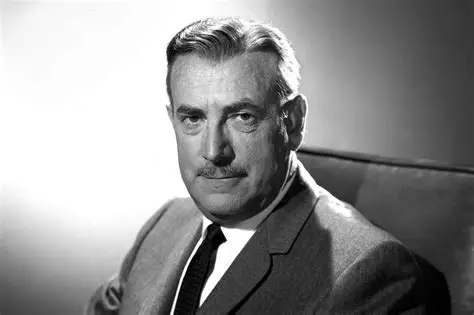
Hollywood history is filled with unforgettable stars whose faces became permanently attached to classic television. Yet behind many of those celebrated names stood private individuals whose stories unfolded quietly beyond the cameras and studio lights. Gaby Aida George was one of those figures. Though she is remembered primarily as the wife of American actor Raymond Bailey, the beloved performer who portrayed banker Milburn Drysdale on The Beverly Hillbillies, her own life carried a remarkable journey shaped by immigration, resilience, and quiet devotion far from public spectacle.
Unlike many spouses connected to Hollywood celebrities, Gaby Aida George remained deeply private throughout her life. Her name occasionally surfaced in public records and entertainment histories, but much of her story stayed hidden behind the immense popularity of her husband’s television success. That mystery has only deepened public fascination over time. Readers searching for glimpses into classic Hollywood often discover that the lives surrounding famous actors can be just as compelling as the careers that made them household names.
Born in 1914 and later becoming a naturalized citizen of the United States, Gaby Aida George represented a generation of immigrants who rebuilt their lives in America during a transformative period in modern history. Her marriage to Raymond Bailey in August 1951 connected her life to one of television’s most recognizable personalities, yet she consistently remained outside the entertainment industry’s glare. That contrast between Hollywood fame and personal privacy gives her story a unique emotional depth.
Early Life and Immigration
Gaby Aida George was born in 1914 during a period marked by global uncertainty, political change, and shifting social structures across much of the world. Although many details regarding her birthplace and early childhood remain limited in public records, what is known about her life suggests a journey shaped by determination and adaptation.
As an immigrant who later became a naturalized American citizen, Gaby belonged to a generation that experienced firsthand the challenges and opportunities tied to migration during the twentieth century. For many immigrants arriving in the United States during that era, the process involved more than relocation. It required rebuilding identity, navigating unfamiliar cultures, and establishing stability in an entirely new environment.
The experience of immigration often creates a profound sense of resilience. Individuals who leave behind one life in pursuit of another frequently develop emotional endurance and independence that shape every aspect of their future. In Gaby’s case, those qualities may have contributed to the composed and private life she later maintained alongside a public figure in Hollywood.
Her transition into American life also reflected the broader story of countless immigrants who helped shape mid-century America. According to U.S. Census historical immigration records, more than 10 million immigrants entered the United States during the 1940s and 1950s combined, transforming the country’s cultural and economic landscape. By becoming a naturalized citizen, Gaby embraced not only a new country but also the opportunities and responsibilities that came with that identity.
Although Gaby Aida George never became a celebrity herself, her background remains compelling because it represents a quieter version of the American story. Unlike glamorous Hollywood narratives built on publicity and fame, her journey appears rooted in personal perseverance and private transformation.
That understated beginning would eventually intersect with one of television’s most recognizable actors, forever linking her name to classic entertainment history.
Marriage to Raymond Bailey
In August 1951, Gaby Aida George married Raymond Bailey in Manhattan, beginning a partnership that would remain part of Hollywood history for decades to come. At the time of their marriage, Bailey was steadily building a respected acting career that would later reach extraordinary heights through television.
Before becoming famous as the sharp-tongued banker Milburn Drysdale on The Beverly Hillbillies, Raymond Bailey spent years working across film, theater, and television productions. Like many actors of his generation, his path to fame was gradual rather than instantaneous. By the early 1960s, however, his role on the enormously successful sitcom transformed him into a familiar face across American households.
For Gaby, marriage to a working actor meant entering a world closely tied to public visibility while still maintaining her own distance from it. Hollywood marriages often became subjects of gossip columns and media speculation during that era, yet Gaby and Raymond appear to have preserved a relatively private relationship compared to many celebrity couples of their time.
That privacy became increasingly notable as The Beverly Hillbillies exploded into television history. The sitcom became one of the most watched programs of the 1960s, drawing weekly audiences estimated in the tens of millions during its peak years. While Raymond Bailey’s character became iconic in American television culture, Gaby remained largely outside interviews, publicity tours, and entertainment headlines.
There is something deeply fascinating about individuals who stand adjacent to fame without fully stepping into it themselves. Gaby Aida George appears to have embraced a quieter role, supporting a husband whose public identity became inseparable from one of television’s most beloved sitcoms.
Personally, stories like Gaby’s often feel more emotionally compelling than celebrity headlines themselves because they reveal the quiet relationships and sacrifices that existed behind Hollywood success.
Their marriage also reflected the emotional complexity of Hollywood relationships during the mid-twentieth century. Public recognition often transformed daily life for actors and their families, creating pressures that extended far beyond the screen. Maintaining stability amid growing fame required discretion, patience, and emotional resilience.
Gaby’s ability to preserve privacy throughout those years suggests a personality grounded more in personal values than celebrity culture.
Life Behind the Spotlight
One of the most defining aspects of Gaby Aida George’s story is how thoroughly she remained outside the spotlight despite her husband’s immense fame. In an entertainment industry driven by publicity, appearances, and social visibility, her reserved presence feels strikingly unusual by modern standards.
Many spouses connected to major television figures eventually become recognizable personalities themselves, especially during Hollywood’s golden television era. Yet Gaby appears to have intentionally maintained distance from the entertainment industry’s public-facing world. Very little exists in terms of interviews, promotional appearances, or media profiles connected to her name.
That absence has become part of her enduring intrigue. Modern audiences are often drawn to figures who preserve mystery in a culture increasingly dominated by oversharing and constant exposure. Gaby’s life stands in sharp contrast to contemporary celebrity dynamics, where even peripheral figures often become public brands.
Behind the scenes, however, she undoubtedly experienced the realities tied to life with a famous actor. Raymond Bailey’s popularity during the peak years of The Beverly Hillbillies made him instantly recognizable across America. Fame on that scale inevitably shaped personal routines, relationships, and public interactions.
Yet while Raymond Bailey portrayed the ambitious and comedic banker Milburn Drysdale on television, Gaby appears to have preferred a far more grounded existence. Her story reminds readers that not everyone connected to Hollywood sought visibility or public admiration. Some valued normalcy, privacy, and personal peace above public recognition.
There is also a quiet elegance in that choice. Remaining private while living adjacent to celebrity culture requires confidence and strong personal boundaries. Gaby Aida George’s reserved lifestyle suggests someone who understood the difference between public attention and personal fulfillment.
On April 15, 1980, Raymond Bailey passed away, bringing an end to one of television’s most recognizable acting careers. His death marked a major moment in classic television history, particularly for fans of The Beverly Hillbillies. For Gaby, however, it represented something far more personal: the loss of a husband and life companion after decades together.
She would continue living quietly until her own passing in 1985, leaving behind a legacy connected not through celebrity performance, but through the quieter strength of loyalty, resilience, and privacy.
Legacy
Gaby Aida George’s legacy exists in a uniquely understated space within Hollywood history. She was never the celebrity standing center stage, nor did she attempt to transform her connection to Raymond Bailey into public fame. Instead, her story survives through the quieter dimensions of classic entertainment history, the lives lived behind the scenes while audiences focused on television screens.
Her journey as an immigrant who became a naturalized American citizen also adds an important layer to her legacy. Countless individuals who arrived in the United States during the twentieth century helped shape the country’s cultural and social landscape through perseverance and adaptation. Gaby’s life reflects that broader experience in deeply personal ways.
At the same time, her connection to Raymond Bailey ensures ongoing public interest. The Beverly Hillbillies remains one of television’s most iconic sitcoms, continuing to introduce new generations to Bailey’s unforgettable portrayal of Milburn Drysdale. As audiences revisit the series, curiosity naturally extends toward the people who existed within the actor’s personal world.
What makes Gaby’s story especially compelling is its emotional restraint. In a world where fame often overshadows authenticity, her life feels remarkably grounded. She represents the quieter individuals whose influence is not measured through headlines or public attention, but through loyalty, presence, and personal resilience.
Her legacy also reminds readers that Hollywood history is not built solely by the stars audiences see onscreen. It is equally shaped by the private lives, relationships, and unseen emotional foundations that supported those public careers.
Conclusion
Gaby Aida George remains one of the more mysterious figures connected to classic American television history. Born in 1914, shaped by the immigrant experience, and later becoming the wife of beloved actor Raymond Bailey, her life unfolded largely outside public attention despite her close connection to Hollywood fame.
Her marriage to Bailey in August 1951 placed her beside a man who would become permanently associated with one of television’s most iconic sitcom characters. Yet throughout decades of public recognition surrounding The Beverly Hillbillies, Gaby maintained a deeply private existence that continues to intrigue readers today.
There is something timeless about stories like hers. They remind audiences that behind every celebrated public figure exists a quieter world filled with personal relationships, sacrifices, and unseen emotional strength. While Raymond Bailey entertained millions as Milburn Drysdale until his death on April 15, 1980, Gaby Aida George represented the calm and private life that existed beyond the cameras.
Even decades later, her story continues to resonate because it reflects themes far larger than celebrity itself: resilience, migration, loyalty, and the enduring power of quiet dignity.