
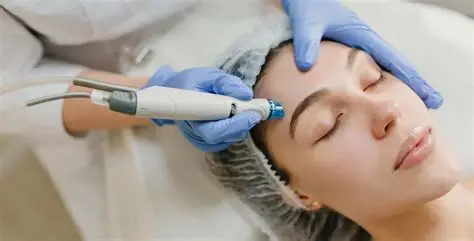
Modern skincare has moved far beyond basic creams, facials, and temporary cosmetic solutions. Consumers today are investing in procedures that support collagen production, improve skin texture, reduce visible imperfections, and create long-term skin quality improvements. Among the treatments gaining widespread attention in dermatology clinics and medical spas, microneedling continues to stand out for its versatility and effectiveness.
As interest in minimally invasive cosmetic procedures grows, one common question continues to surface among first-time patients: does microneedling hurt? The answer depends on several factors, including skin sensitivity, treatment depth, provider technique, and whether numbing cream is used before the procedure. Most patients describe the sensation as mild discomfort rather than severe pain, especially when the treatment is performed professionally.
Microneedling uses fine needles to create controlled micro-injuries in the skin. These tiny punctures stimulate the body’s natural healing response, encouraging collagen and elastin production. The treatment is commonly used for acne scars, enlarged pores, fine lines, uneven skin tone, stretch marks, and overall skin rejuvenation.
Professional providers typically apply topical anesthetic before treatment, significantly reducing discomfort during the session. While some areas of the face may feel more sensitive than others, most patients tolerate the procedure well and return for multiple sessions to maintain results.
Clinical interest in microneedling has also grown alongside patient demand. A systematic review highlighted by Dermatology Times evaluated 33 peer-reviewed studies and found that microneedling showed supportive evidence as a treatment option for acne scars.
As cosmetic dermatology continues shifting toward non-surgical rejuvenation, microneedling has become an increasingly important option for individuals seeking smoother, healthier-looking skin without extensive downtime.
Understand How Microneedling Creates Controlled Skin Repair
To understand does microneedling hurt, it helps to first understand how the procedure works. Microneedling devices contain multiple fine needles that puncture the outer layer of skin at controlled depths. These microchannels trigger the skin’s repair process while preserving surrounding tissue.
The procedure stimulates fibroblast activity, collagen remodeling, and elastin development. As the skin heals, texture and tone gradually improve over time.
Common treatment targets include:
| Skin Concern | How Microneedling Helps |
|---|---|
| Acne scars | Encourages collagen remodeling |
| Fine lines | Improves elasticity and firmness |
| Enlarged pores | Supports smoother skin texture |
| Uneven tone | Promotes balanced skin renewal |
| Stretch marks | Helps rebuild damaged skin structure |
| Sun damage | Encourages healthier skin turnover |
The sensation experienced during treatment depends heavily on needle depth. Shallow cosmetic treatments typically cause minimal discomfort, while deeper scar treatments may feel more intense.
Most patients describe the feeling as:
- Mild scratching
- Sandpaper-like movement
- Tingling pressure
- Light vibration
- Temporary stinging in sensitive areas
Forehead, upper lip, and areas near bone structures often feel more sensitive than cheeks or jawlines.
Professional providers adjust needle depth based on the treatment goal and skin tolerance. This customization helps balance effectiveness with patient comfort.
Apply Topical Numbing Cream Before Treatment Sessions
One major reason microneedling is considered tolerable is the routine use of topical numbing agents before treatment begins. Most professional clinics apply prescription-strength numbing cream approximately 20 to 45 minutes before the procedure.
This preparation significantly reduces discomfort during treatment.
The numbing process typically includes:
| Preparation Step | Purpose |
|---|---|
| Skin cleansing | Removes oils and debris |
| Topical anesthetic application | Reduces nerve sensitivity |
| Waiting period | Allows numbing ingredients to activate |
| Skin removal and sanitization | Prepares treatment area |
| Microneedling procedure | Begins after numbness develops |
Patients often report that numbing cream changes the experience dramatically. Instead of sharp pain, they feel vibration, pressure, or mild friction across the skin surface.
In my experience, the patients who feel most nervous before microneedling are often the same people who leave surprised by how controlled and manageable the treatment feels.
Pain tolerance still varies between individuals. Some people naturally have more sensitive skin or heightened nerve responses. Others tolerate deeper treatments with little concern.
Professional clinics may also adjust treatment intensity during the session if discomfort becomes excessive.
For many patients, anxiety about the unknown is actually greater than the physical sensation itself.
Expect More Sensitivity in Certain Areas of the Face
Although microneedling is generally well tolerated, not all facial areas feel the same during treatment. Skin thickness, nerve density, and proximity to bone influence how much discomfort patients experience.
Areas that commonly feel more sensitive include:
- Forehead
- Nose
- Upper lip
- Hairline
- Around the eyes
- Jawbone areas
Cheeks and lower facial regions usually tolerate treatment more comfortably because the skin tends to be thicker and less nerve-dense.
Patients often notice temporary increases in sensitivity when providers treat acne scars aggressively or target deeper collagen remodeling.
Several factors influence treatment sensation:
| Factor | Influence on Comfort |
|---|---|
| Needle depth | Deeper penetration increases sensation |
| Skin sensitivity | Reactive skin may feel more discomfort |
| Active acne | Inflamed areas can feel tender |
| Provider technique | Proper technique improves comfort |
| Device speed | Faster devices often reduce dragging sensation |
| Treatment location | Thin skin areas feel more intense |
Professional providers carefully monitor patient reactions throughout the session. Adjustments can often be made to reduce discomfort while preserving treatment effectiveness.
Understanding these variations helps answer the question does microneedling hurt with greater accuracy. The experience is rarely identical for every patient.
Compare Professional Microneedling With At-Home Devices
Many consumers compare professional microneedling with at-home dermarollers or cosmetic needling devices. Comfort levels differ significantly between these approaches.
Professional treatments usually penetrate deeper into the skin, which creates stronger collagen stimulation but also slightly more sensation during treatment.
However, professional sessions often feel more controlled because providers use:
- Medical-grade devices
- Sterile cartridges
- Precision depth settings
- Topical anesthetics
- Advanced motion technology
At-home rollers may seem less intimidating initially, but improper pressure or poor technique can actually increase irritation.
Key differences include:
| Feature | Professional Microneedling | At-Home Devices |
|---|---|---|
| Needle depth | Adjustable medical-grade depth | Shallow cosmetic depth |
| Numbing cream | Usually included | Rarely used |
| Precision | Highly controlled | User dependent |
| Safety standards | Clinical sterilization | Varies by product |
| Results | Stronger collagen stimulation | Limited improvement |
| Discomfort level | Mild to moderate | Mild but inconsistent |
Professional treatments are also safer for addressing acne scars, stretch marks, and pigmentation concerns because trained providers understand skin anatomy and healing response.
People asking does microneedling hurt often assume deeper professional treatments are automatically unbearable. In reality, proper numbing and skilled technique usually make clinical procedures easier than expected.
Conclusion
Microneedling has become one of the most widely requested non-surgical skin rejuvenation treatments because it supports collagen production, improves texture, and addresses multiple cosmetic concerns with relatively limited downtime.
So, does microneedling hurt? For most patients, the answer is no severe pain, but some temporary discomfort should be expected. Professional numbing cream, modern device technology, and experienced providers significantly improve treatment comfort.
The sensation often feels like light scratching, vibration, or mild pressure rather than intense pain. Sensitive facial areas and deeper scar treatments may feel stronger, but most patients tolerate sessions well and continue treatment plans comfortably.
As demand for minimally invasive cosmetic procedures continues rising, microneedling remains an important option for individuals seeking smoother, healthier-looking skin without extensive recovery periods or surgical intervention.