
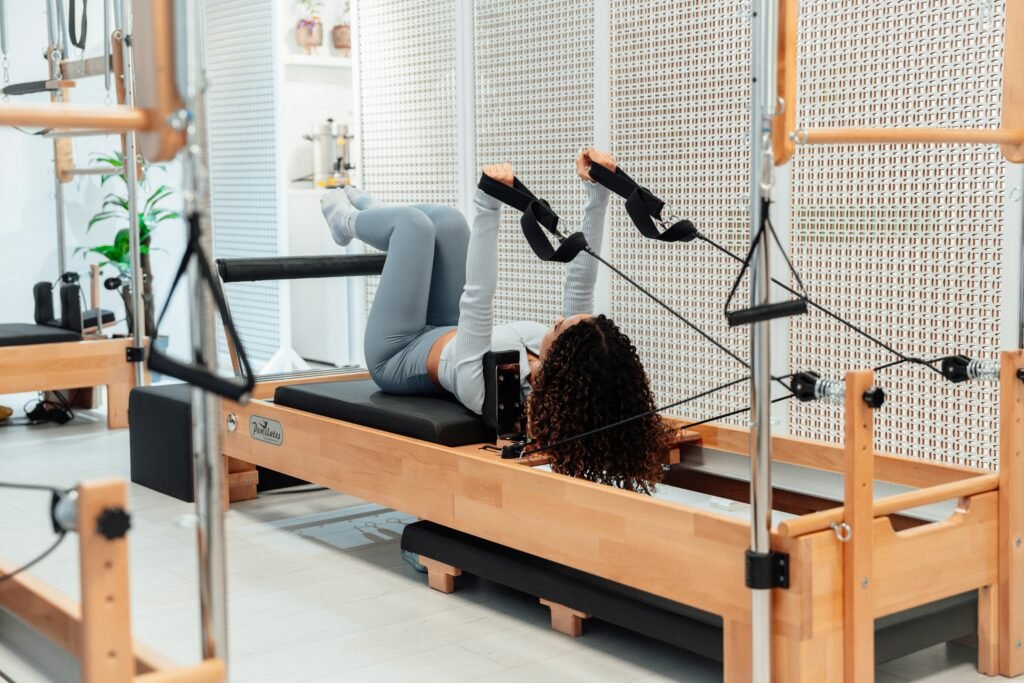
The fitness industry has undergone a major transformation over the past decade. Clients are increasingly prioritizing low-impact training, posture correction, mobility improvement, injury prevention, and long-term wellness instead of focusing only on high-intensity workouts. As a result, Pilates studios, rehabilitation-focused fitness centers, boutique wellness brands, and private training businesses are expanding rapidly across major cities and suburban markets alike.
This shift has placed greater attention on one important career topic: pilates instructor salary. Fitness professionals considering certification often want to know how much Pilates instructors earn, what factors influence income, and whether the career offers long-term financial stability.
The answer depends on several variables, including certification level, geographic location, studio type, teaching experience, specialization, and whether the instructor works independently or as an employee. While entry-level instructors may begin with modest hourly rates, experienced professionals who build strong client retention and specialized expertise can generate substantial income through private sessions, group classes, workshops, online coaching, and studio ownership.
According to the U.S. Bureau of Labor Statistics, fitness trainers and instructors earned a median annual wage of approximately $46,480 in 2023, with employment in the category projected to grow 14% between 2023 and 2033, much faster than the average for most occupations. Pilates instruction continues to benefit from the broader expansion of wellness-focused fitness services and personalized training programs.
As consumers continue investing in preventative health and mindful movement practices, pilates instructor salary trends are becoming increasingly attractive for fitness professionals seeking flexible and scalable career opportunities.
Understand How Pilates Instructor Salary Varies by Experience Level
One of the biggest factors affecting pilates instructor salary is professional experience. New instructors often begin by teaching group reformer classes or mat Pilates sessions at local studios, gyms, or wellness centers. Over time, instructors who develop strong teaching skills, client relationships, and specialized certifications typically command higher rates.
Entry-level instructors may initially work part-time while building class schedules and client referrals. More experienced instructors frequently diversify their services through:
- Private sessions
- Semi-private training
- Rehabilitation-focused Pilates
- Prenatal Pilates
- Athletic conditioning
- Virtual coaching
- Corporate wellness programs
Typical salary progression often looks like this:
| Experience Level | Estimated Annual Pilates Instructor Salary |
|---|---|
| Beginner (0–1 years) | $30,000–$45,000 |
| Intermediate (2–5 years) | $45,000–$70,000 |
| Experienced (5–10 years) | $70,000–$100,000 |
| Senior Specialist or Studio Owner | $100,000+ |
Pilates instructors with strong reputations often increase their income through premium pricing and long-term client retention. In many markets, experienced instructors develop waitlists for private sessions, especially when they specialize in rehabilitation, sports performance, or postural correction.
In my experience, the instructors who build the most sustainable careers are usually the ones who focus equally on client education, professionalism, and long-term relationship building rather than chasing quick growth alone.
Compare Pilates Instructor Salary Across Different Work Environments
Where an instructor works can significantly influence pilates instructor salary potential. Compensation structures vary between boutique studios, corporate gyms, wellness clinics, luxury fitness clubs, and independent businesses.
Some employers pay instructors per class, while others offer hourly wages, commission models, or salary-based employment packages.
Common Pilates work environments include:
| Work Environment | Average Income Potential | Typical Compensation Model |
|---|---|---|
| Boutique Pilates Studio | Moderate to High | Per class or private session |
| Commercial Gym | Moderate | Hourly wage |
| Luxury Wellness Club | High | Premium session rates |
| Physical Therapy Clinic | Moderate to High | Salary or hourly |
| Independent Contractor | High potential | Self-managed pricing |
| Online Coaching Platform | Variable | Subscription or digital sales |
Boutique studios often provide better earning opportunities for instructors who build loyal followings. Private reformer sessions in premium urban markets may range from $75 to over $200 per session depending on the instructor’s expertise and clientele.
Corporate gyms may offer more stable scheduling but lower per-session income compared to independent teaching models.
Pilates instructors who diversify across multiple environments often create more stable revenue streams while expanding their professional visibility.
Evaluate How Certification Affects Pilates Instructor Salary
Certification quality plays a major role in long-term earning potential. Employers and clients increasingly look for instructors who complete comprehensive training programs covering anatomy, biomechanics, movement assessment, and apparatus instruction.
Well-known certification organizations often require hundreds of training hours and supervised teaching experience.
Popular certification pathways include:
- Comprehensive Pilates certification
- Mat Pilates certification
- Reformer certification
- Clinical Pilates training
- Prenatal and postnatal specialization
- Corrective exercise certification
Higher-level certifications can influence pilates instructor salary because clients often associate advanced credentials with greater expertise and safety.
Certification-related income differences may include:
| Certification Type | Potential Salary Impact |
|---|---|
| Basic Mat Certification | Entry-level income |
| Full Comprehensive Certification | Higher earning potential |
| Rehabilitation Specialization | Premium pricing opportunities |
| Athletic Performance Focus | Expanded client market |
| Continuing Education Credentials | Improved client trust |
Studios serving rehabilitation or luxury wellness markets often prefer instructors with extensive training backgrounds.
Clients recovering from injuries or chronic pain conditions also tend to seek instructors with deeper anatomical knowledge and movement correction expertise.
As the Pilates industry becomes more competitive, continuing education increasingly separates premium instructors from general fitness providers.
Build Higher Income Through Private Pilates Sessions
Private training is one of the fastest ways to increase pilates instructor salary. Unlike group classes, private sessions allow instructors to charge premium rates for individualized attention and customized programming.
Private Pilates clients often seek:
- Injury recovery support
- Personalized movement correction
- Athletic conditioning
- Chronic pain management
- Postural improvement
- Prenatal exercise guidance
- Luxury wellness experiences
Typical private session pricing varies widely by market:
| Session Type | Average Client Rate |
|---|---|
| Group Mat Class | $15–$35 per participant |
| Group Reformer Class | $30–$60 per participant |
| Semi-Private Session | $50–$100 per person |
| Private Pilates Session | $75–$200+ |
| In-Home Private Session | $100–$250+ |
Many high-earning Pilates professionals gradually shift from large group instruction toward more private and semi-private work because the income potential scales more effectively.
Private clients also tend to produce stronger long-term retention, recurring appointments, and referral opportunities.
Instructors who consistently deliver measurable improvements in mobility, flexibility, strength, or pain reduction often develop highly stable client bases over time.
Analyze Regional Differences in Pilates Instructor Salary
Location heavily influences pilates instructor salary due to differences in cost of living, wellness demand, and local competition.
Urban areas with strong wellness cultures generally offer higher compensation opportunities than smaller markets.
Cities commonly associated with higher Pilates earnings include:
- New York City
- Los Angeles
- Miami
- Chicago
- San Francisco
- Seattle
- Austin
Regional salary differences often reflect:
| Geographic Factor | Impact on Salary |
|---|---|
| Cost of living | Higher pricing structures |
| Luxury wellness demand | Increased private session rates |
| Population density | More client opportunities |
| Affluent demographics | Greater premium service demand |
| Studio competition | Influences pricing and availability |
However, smaller markets may still provide excellent opportunities for instructors who establish strong local reputations and limited competition.
Online coaching has also reduced some geographic limitations. Virtual Pilates instruction allows professionals to work with clients across multiple regions rather than depending entirely on local studio traffic.
As hybrid fitness models continue expanding, digital instruction is becoming an increasingly important contributor to pilates instructor salary growth.
Expand Income Through Online Pilates Coaching and Digital Products
The online fitness economy has changed how many Pilates professionals build their businesses. Instructors are no longer limited to in-person classes alone.
Many professionals now supplement pilates instructor salary through:
- Subscription video libraries
- Virtual group classes
- One-on-one Zoom sessions
- Membership platforms
- Digital mobility programs
- Social media partnerships
- Wellness brand collaborations
Digital business models can scale more efficiently than traditional hourly teaching.
Online revenue opportunities include:
| Digital Revenue Stream | Income Potential |
|---|---|
| Monthly memberships | Recurring revenue |
| Virtual private coaching | Premium remote training |
| On-demand video courses | Passive income |
| Brand sponsorships | Supplemental revenue |
| Social media monetization | Audience-based earnings |
| Wellness app partnerships | Expanded visibility |
Pilates instructors with strong personal branding often create multiple income channels simultaneously.
Social media has become particularly influential for instructors building authority within niche wellness communities. Educational content related to posture, flexibility, injury prevention, and mobility training often performs well across fitness platforms.
Many instructors who began with local studio teaching now operate hybrid businesses combining in-person services with digital education programs.
Specialize in Rehabilitation and Corrective Movement Training
One growing area affecting pilates instructor salary is the integration of Pilates into rehabilitation and corrective exercise settings.
Physical therapists, chiropractors, orthopedic clinics, and sports recovery centers increasingly collaborate with highly trained Pilates professionals.
Specialized services may include:
- Post-surgical movement training
- Spine stabilization programs
- Joint mobility correction
- Chronic pain management
- Injury prevention conditioning
- Neuromuscular movement retraining
These advanced specializations often support higher pricing because they require deeper technical knowledge and careful client supervision.
Specialized Pilates niches include:
| Specialty Area | Typical Client Base |
|---|---|
| Prenatal Pilates | Expecting mothers |
| Clinical Pilates | Rehabilitation patients |
| Athletic Pilates | Competitive athletes |
| Senior Pilates | Older adults |
| Postural Correction | Office professionals |
| Chronic Pain Support | Long-term mobility clients |
Clients seeking therapeutic movement support are often willing to invest more heavily in experienced instructors with specialized expertise.
Studios connected to rehabilitation or medical wellness environments may also offer more stable scheduling and long-term client relationships.
Increase Pilates Instructor Salary Through Studio Ownership
For some professionals, the highest earning potential comes from business ownership rather than individual teaching hours alone.
Opening a Pilates studio introduces additional responsibilities but can significantly increase long-term income scalability.
Studio owners may generate revenue through:
- Instructor payroll management
- Membership packages
- Equipment rental
- Retail sales
- Teacher training programs
- Workshop hosting
- Corporate partnerships
Studio ownership expenses often include:
| Business Expense | Operational Impact |
|---|---|
| Commercial rent | Major fixed cost |
| Pilates equipment | High startup investment |
| Insurance | Liability protection |
| Instructor payroll | Staffing expense |
| Marketing | Client acquisition |
| Software systems | Scheduling and billing |
While business ownership involves financial risk, successful boutique studios can become highly profitable in strong wellness markets.
Some instructors gradually transition into ownership after building established client communities and professional reputations.
Pilates businesses that focus on client retention, personalized service, and instructor quality often outperform generic fitness models.
Recognize the Lifestyle Benefits Beyond Pilates Instructor Salary
Income remains an important factor, but many professionals also choose Pilates careers because of flexibility and lifestyle advantages.
Pilates instructors often value:
- Flexible scheduling
- Independent work opportunities
- Wellness-centered environments
- Meaningful client relationships
- Physical activity throughout the workday
- Creative business growth potential
Unlike many traditional office careers, Pilates instruction allows professionals to work across multiple formats and settings.
For individuals passionate about movement education and long-term wellness, the career can provide both financial opportunity and personal fulfillment.
The strongest careers often emerge when instructors balance business development with ongoing education and client-centered service.
Adapt to Industry Trends Influencing Pilates Instructor Salary
The Pilates industry continues evolving alongside broader wellness trends.
Current market drivers include:
- Preventative healthcare interest
- Remote fitness adoption
- Aging population mobility concerns
- Posture-related workplace issues
- Sports recovery demand
- Mental wellness integration
These trends continue increasing awareness of movement-based fitness systems that emphasize control, alignment, flexibility, and functional strength.
Studios and instructors who adapt to changing consumer expectations often position themselves more competitively within the fitness industry.
Many employers now look for instructors capable of combining Pilates expertise with broader wellness knowledge, including recovery science, mobility coaching, and behavioral support.
As demand grows for personalized wellness services, pilates instructor salary opportunities may continue expanding for qualified professionals with specialized expertise and strong client retention.
Conclusion
Pilates instruction has evolved from a niche fitness specialty into a growing segment of the modern wellness economy. As consumers increasingly prioritize mobility, posture, injury prevention, and sustainable fitness, demand for qualified instructors continues rising across studios, rehabilitation centers, luxury gyms, and online platforms.
Pilates instructor salary varies widely based on certification level, location, specialization, business model, and teaching experience. Entry-level instructors may begin with moderate hourly earnings, while experienced professionals can generate significantly higher income through private training, digital coaching, specialty services, and studio ownership.
Professionals who invest in continuing education, strong client relationships, and diversified income streams often position themselves for long-term career growth within the expanding wellness industry.
For many instructors, Pilates offers more than financial opportunity alone. It provides a flexible, skill-based career path centered around movement education, personal wellness, and meaningful client transformation.
Frequently Asked Questions About Pilates Instructor Salary
What is the average pilates instructor salary?
The average pilates instructor salary varies by region and experience, but many instructors earn between $45,000 and $70,000 annually, with top professionals earning significantly more.
Can Pilates instructors make six figures?
Yes. Experienced instructors who offer private sessions, online coaching, workshops, and studio ownership opportunities can exceed six-figure annual income levels.
Does certification affect pilates instructor salary?
Comprehensive certifications and specialized training often increase earning potential because employers and clients value advanced expertise.
Are private Pilates sessions more profitable than group classes?
Private sessions usually generate higher hourly income compared to group classes because clients pay premium rates for individualized instruction.
Is Pilates instruction a full-time career?
Yes. Many professionals work full-time as Pilates instructors through a combination of studio teaching, private training, online coaching, and wellness consulting.
Which cities offer the highest pilates instructor salary potential?
Large metropolitan areas with strong wellness markets, including New York, Los Angeles, Miami, and San Francisco, often offer higher income opportunities due to greater client demand and premium pricing structures.