
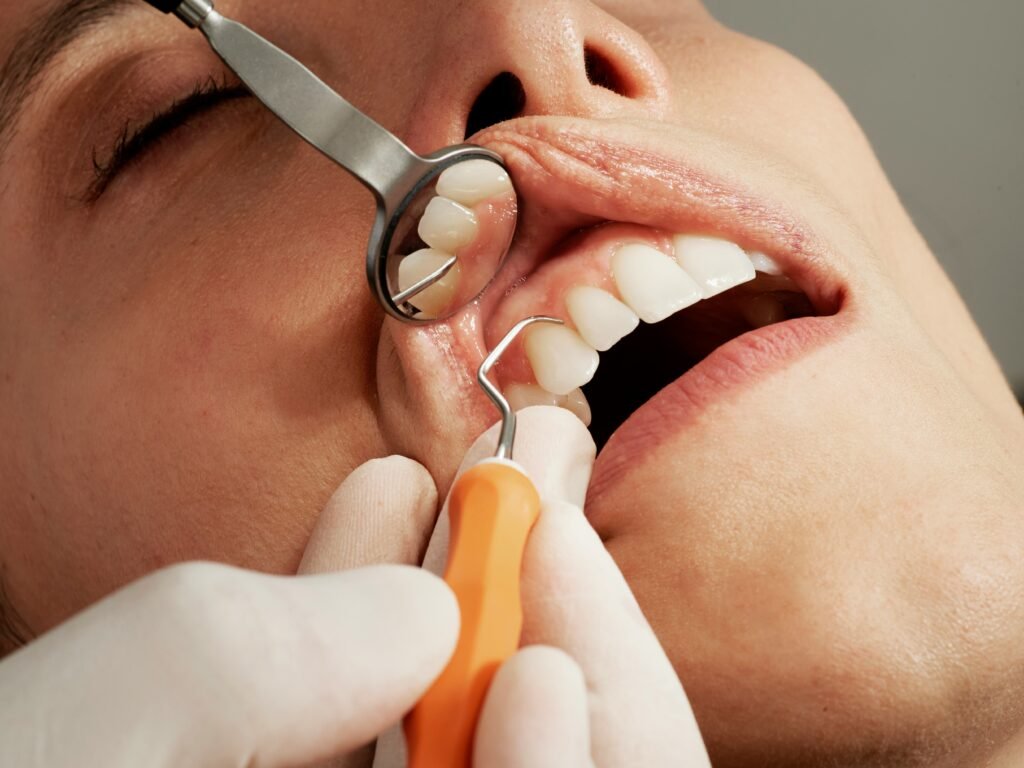
Tooth loss continues to affect millions of adults worldwide, influencing everything from oral function and nutrition to self-confidence and long-term health. As restorative dentistry evolves, patients now have access to more advanced replacement options that prioritize durability, aesthetics, comfort, and bone preservation. Among the most widely discussed restorative solutions today, dental implants and dentures remain at the center of modern tooth replacement treatment planning.
Patients considering restorative procedures often compare dental implants and dentures to determine which option best supports their lifestyle, oral health condition, budget, and long-term expectations. While traditional dentures have served as a reliable tooth replacement method for decades, implant-supported systems are increasingly reshaping the conversation around stability and function.
The American College of Prosthodontists estimates that approximately 36 million Americans are missing all of their teeth, while around 120 million are missing at least one tooth. Research published by the National Institutes of Health also reports that dental implants show long-term success rates above 90% in many cases when properly maintained, helping explain why implant-supported restorations continue gaining popularity among both patients and providers.
Today’s dental providers increasingly customize treatment plans based on jawbone health, remaining teeth, facial structure, medical history, and long-term maintenance goals. For many patients, the decision between dental implants and dentures involves balancing affordability, surgical considerations, comfort, and long-term performance.
Understand the Core Differences Between Dental Implants and Dentures
One of the first steps in evaluating dental implants and dentures is understanding how each restoration works.
Dentures are removable prosthetic appliances designed to replace missing teeth and surrounding tissue. They may be full dentures, replacing an entire arch, or partial dentures, replacing several missing teeth while preserving remaining natural teeth.
Dental implants function differently. Implants involve titanium posts surgically placed into the jawbone, where they fuse with bone tissue through osseointegration. Once healed, crowns, bridges, or implant-supported dentures attach to the implant structure.
Dental Implants vs Dentures Overview
| Feature | Dental Implants | Dentures |
|---|---|---|
| Placement | Surgically inserted into jawbone | Removable appliance |
| Stability | Highly stable | May shift during use |
| Bone preservation | Helps reduce bone loss | Does not prevent bone loss |
| Cleaning | Similar to natural teeth | Requires removal and soaking |
| Longevity | Often decades with care | May require replacement over time |
| Upfront cost | Higher | Lower |
Traditional dentures remain popular because they are more affordable initially and usually require less invasive treatment. However, many patients report that implants provide a more natural feel and stronger chewing function.
In my experience, patients often focus heavily on upfront cost at first, but long-term comfort and confidence usually become equally important once they begin comparing daily quality-of-life differences.
Evaluate How Dental Implants Support Jawbone Preservation
One major advantage associated with dental implants and dentures comparisons is jawbone preservation.
When natural teeth are lost, the jawbone no longer receives stimulation from tooth roots. Over time, this can lead to bone resorption, facial structure changes, and shifting oral anatomy.
Dental implants help reduce this process because the implant post functions similarly to a natural tooth root.
Bone Preservation Comparison
| Oral Health Factor | Dental Implants | Traditional Dentures |
|---|---|---|
| Jawbone stimulation | Yes | No |
| Bone loss prevention | Stronger support | Limited support |
| Facial structure maintenance | Better long-term support | May decline over time |
| Bite force retention | Higher | Lower |
| Gum tissue support | Improved stability | Variable |
Bone preservation matters not only for aesthetics but also for oral function and long-term denture fit. Patients who wear dentures for many years may eventually experience loosening due to progressive bone shrinkage.
Implant-supported restorations can help maintain facial structure and improve overall prosthetic stability over time.
Compare Comfort and Daily Wear Experience
Comfort remains one of the biggest considerations when evaluating dental implants and dentures.
Traditional dentures rest on the gums and may shift slightly during speaking or eating. Some patients adapt quickly, while others experience irritation, sore spots, or difficulty stabilizing the appliance.
Dental implants are fixed in place and generally feel more secure because they integrate directly with the jawbone.
Daily Comfort Comparison
| Comfort Factor | Dental Implants | Dentures |
|---|---|---|
| Movement during eating | Minimal | Possible shifting |
| Speech stability | Strong | May require adjustment |
| Gum irritation | Less common | More common initially |
| Bite strength | Higher | Reduced |
| Adhesive use | Usually unnecessary | Often needed |
Patients transitioning from removable dentures to implant-supported systems often describe improvements in confidence, chewing comfort, and speech clarity.
Adaptation periods still exist for both treatments. Implant procedures involve healing phases, while dentures require learning how to chew, speak, and manage fit adjustments.
One thing many patients do not anticipate is how much improved stability can affect everyday confidence, especially during meals, conversations, and social situations.
The best long-term outcome usually depends on individualized treatment planning rather than assuming one option automatically fits every patient.
Analyze the Cost Differences Between Dental Implants and Dentures
Cost frequently becomes a deciding factor when comparing dental implants and dentures.
Traditional dentures typically involve lower initial expenses, making them more accessible for many patients. Implant procedures often require surgical placement, imaging, bone grafting in some cases, and multiple appointments.
Estimated Cost Comparison
| Treatment Type | Typical Cost Range |
|---|---|
| Full Dentures | $1,000–$3,000 |
| Partial Dentures | $700–$2,500 |
| Single Dental Implant | $3,000–$6,000 |
| Implant-Supported Dentures | $8,000–$30,000+ |
Costs vary depending on:
- Geographic location
- Provider experience
- Materials used
- Number of implants
- Bone grafting requirements
- Sedation needs
- Laboratory customization
Although implants involve higher upfront investment, some patients consider them more cost-effective long term because they may require fewer replacements and adjustments.
Insurance coverage also differs significantly. Many insurance plans provide partial denture coverage but limited implant reimbursement.
Patients should request detailed treatment estimates and long-term maintenance expectations before proceeding.
Examine Implant-Supported Dentures as a Hybrid Solution
Modern restorative dentistry increasingly combines dental implants and dentures into hybrid treatment models.
Implant-supported dentures attach to implants placed in the jawbone while still replacing an entire dental arch.
These systems may be:
- Removable overdentures
- Snap-in dentures
- Fixed full-arch restorations
- All-on-4 implant systems
Implant-Supported Denture Benefits
| Benefit | Impact |
|---|---|
| Increased stability | Reduced slipping |
| Improved chewing | Better eating comfort |
| Reduced adhesive dependence | Easier maintenance |
| Better speech support | Improved confidence |
| Bone preservation | Slower bone loss |
Many patients who struggle with loose dentures become strong candidates for implant-supported systems because they combine broader tooth replacement with greater stability.
For edentulous patients seeking stronger function without individual implants for every tooth, hybrid solutions often provide an effective middle ground.
Understand the Surgical Process for Dental Implants
Unlike removable dentures, dental implants involve oral surgery.
The implant process generally includes:
- Consultation and imaging
- Treatment planning
- Implant placement surgery
- Healing and osseointegration
- Abutment placement
- Final restoration attachment
Healing periods vary depending on bone quality and patient health.
Implant Treatment Timeline
| Treatment Phase | Approximate Timeline |
|---|---|
| Consultation and scans | 1–2 weeks |
| Implant surgery | Single appointment |
| Osseointegration healing | 3–6 months |
| Final restoration placement | Several follow-up visits |
Certain patients may require:
- Bone grafting
- Sinus lifts
- Gum tissue procedures
- Tooth extractions before implant placement
Patients with diabetes, smoking history, gum disease, or certain medical conditions may require additional evaluation before surgery.
Understanding these requirements helps patients make realistic decisions about dental implants and dentures based on both health and lifestyle factors.
Compare Maintenance Requirements Over Time
Maintenance differs considerably between dental implants and dentures.
Dentures require daily removal and cleaning. Over time, relining or replacement may become necessary as the jawbone changes shape.
Dental implants require excellent oral hygiene to prevent peri-implant disease and surrounding tissue inflammation.
Maintenance Comparison
| Maintenance Area | Dental Implants | Dentures |
|---|---|---|
| Daily cleaning | Brushing and flossing | Soaking and brushing |
| Professional maintenance | Regular dental visits | Adjustments and relines |
| Replacement frequency | Longer lifespan | More frequent replacement |
| Gum irritation management | Lower risk | More common |
| Stability adjustments | Less frequent | Often required |
Patients sometimes underestimate the importance of long-term maintenance when selecting restorative options.
Even highly durable implant systems still require professional monitoring and oral hygiene consistency to maximize longevity.
Recognize Which Patients May Benefit Most From Dentures
While implants receive significant attention, dentures still remain appropriate for many individuals.
Patients who may benefit from dentures include:
- Individuals seeking lower upfront costs
- Patients unable to undergo surgery
- People with severe bone loss
- Elderly individuals with complex health conditions
- Patients needing rapid tooth replacement
Common Denture Candidates
| Patient Situation | Why Dentures May Help |
|---|---|
| Extensive tooth loss | Full arch replacement |
| Budget limitations | Lower immediate expense |
| Medical restrictions | Avoids surgical treatment |
| Temporary restoration needs | Faster fabrication |
| Advanced age considerations | Less invasive option |
Modern dentures have also improved significantly in appearance and customization compared to older prosthetics.
Advanced materials and digital scanning technology now support more natural-looking results and improved fit.
Identify Ideal Candidates for Dental Implants
Dental implants are often best suited for patients with healthy bone structure and long-term restorative goals.
Strong implant candidates generally include:
- Healthy nonsmokers
- Patients with adequate bone density
- Individuals committed to oral hygiene
- Patients seeking permanent stability
- People wanting stronger chewing performance
Implant Candidate Evaluation Factors
| Evaluation Factor | Importance |
|---|---|
| Bone density | Supports implant integration |
| Gum health | Reduces complication risk |
| Smoking status | Influences healing |
| Medical history | Affects surgical safety |
| Oral hygiene habits | Supports implant longevity |
Patients with bone loss may still qualify for implants after grafting procedures.
A comprehensive dental evaluation remains essential before determining whether implants or dentures represent the better solution.
Explore How Dental Technology Is Improving Restorative Dentistry
Advancements in digital dentistry continue improving both dental implants and dentures.
Modern technologies now include:
- 3D cone beam imaging
- Digital impressions
- Computer-guided implant surgery
- CAD/CAM restorations
- Advanced acrylic materials
- Zirconia implant restorations
Technology Improvements
| Technology | Patient Benefit |
|---|---|
| Digital scanning | Improved fit accuracy |
| Guided implant placement | Better precision |
| CAD/CAM fabrication | Faster restoration production |
| 3D imaging | More detailed treatment planning |
| Modern prosthetic materials | Enhanced durability and aesthetics |
These innovations support more predictable outcomes and improved patient comfort across restorative dentistry.
As treatment becomes increasingly personalized, providers can better tailor solutions to oral anatomy, cosmetic preferences, and functional goals.
Consider Long-Term Quality of Life Factors
For many patients, the decision between dental implants and dentures extends beyond cost alone.
Long-term quality-of-life considerations may include:
- Confidence during social interaction
- Ability to eat comfortably
- Speech clarity
- Maintenance convenience
- Long-term oral stability
- Facial appearance preservation
Patients who prioritize fixed stability often lean toward implants, while others prioritize affordability and reduced surgical involvement.
There is no universal solution that fits every patient equally. The ideal treatment depends on balancing health, comfort, finances, and personal expectations.
Conclusion
Modern restorative dentistry offers more advanced tooth replacement solutions than ever before, and both dental implants and dentures continue playing important roles in oral rehabilitation.
Dentures remain a reliable, accessible option for patients seeking cost-effective tooth replacement with less invasive treatment requirements. Dental implants provide stronger stability, improved jawbone preservation, and a more natural functional experience for many long-term candidates.
Hybrid solutions such as implant-supported dentures now bridge the gap between traditional removable appliances and permanent implant restoration systems.
As digital dentistry and implant technology continue advancing, patients have greater opportunities to personalize treatment based on lifestyle, oral health condition, and long-term goals.
For individuals considering dental implants and dentures, professional consultation remains the most important step toward selecting a solution that supports comfort, function, appearance, and long-term oral health.