
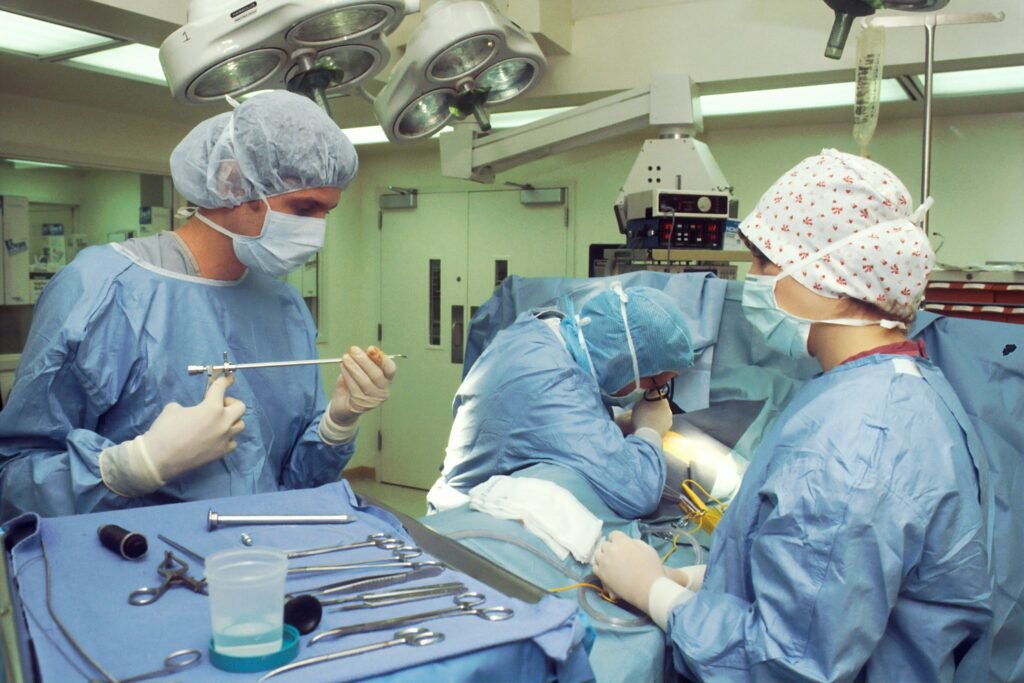
Healthcare systems continue evolving toward more advanced surgical care, outpatient procedures, and technology-driven patient management. As hospitals expand operating room capacity and procedural departments become increasingly specialized, support roles inside anesthesia departments are gaining greater visibility across the medical workforce. Among these growing allied healthcare careers, anesthesia tech jobs are becoming increasingly important for surgical efficiency, patient safety, and operating room coordination.
Anesthesia technicians work alongside anesthesiologists, certified registered nurse anesthetists (CRNAs), surgeons, nurses, and perioperative teams to prepare anesthesia equipment, monitor supplies, support patient care procedures, and maintain critical operating room readiness.
As healthcare facilities continue facing staffing shortages and rising procedural demand, many professionals are exploring anesthesia tech jobs because they offer direct involvement in patient care without requiring medical school or advanced nursing credentials.
According to the U.S. Bureau of Labor Statistics, healthcare support occupations are projected to grow significantly through the next decade, driven by aging populations and expanding demand for surgical and outpatient medical services. The American Hospital Association also reports that hospitals across the United States continue facing workforce shortages in critical procedural support areas, increasing demand for specialized perioperative staff.
For individuals seeking fast-entry healthcare careers with strong hospital exposure and long-term advancement potential, anesthesia tech jobs increasingly represent a stable and specialized pathway within modern healthcare systems.
Understand What Anesthesia Tech Jobs Involve in Daily Hospital Operations
One of the first things people ask about anesthesia tech jobs is what anesthesia technicians actually do during a typical shift.
Anesthesia technicians primarily support anesthesia providers before, during, and after medical procedures. Their responsibilities often involve preparing equipment, sterilizing tools, troubleshooting devices, organizing medications, and ensuring anesthesia machines function correctly.
In many hospitals, anesthesia technicians become critical operational support staff inside surgical departments.
Common Responsibilities in Anesthesia Tech Jobs
| Responsibility | Purpose |
|---|---|
| Preparing anesthesia machines | Supports safe patient care |
| Checking airway equipment | Ensures emergency readiness |
| Sterilizing instruments | Maintains infection control |
| Monitoring supply inventory | Prevents procedural delays |
| Assisting during procedures | Supports anesthesia teams |
| Transporting equipment | Improves operating room efficiency |
Daily responsibilities vary depending on the healthcare environment. Large trauma centers may involve emergency procedures and high-acuity surgical support, while outpatient surgery centers often focus on routine elective procedures.
In my experience, many people underestimate how much organization and technical precision anesthesia technicians need to maintain during fast-moving surgical schedules.
Strong attention to detail becomes essential because even small equipment issues can affect operating room timing and patient safety. Technicians who stay calm and proactive during emergencies often become highly valued members of surgical teams.
Compare Different Work Environments for Anesthesia Tech Jobs
Healthcare facilities vary significantly in how they structure anesthesia tech jobs.
Some anesthesia technicians work exclusively in operating rooms, while others support labor and delivery units, endoscopy suites, trauma departments, cardiac catheterization labs, or ambulatory surgery centers.
Common Work Settings
| Work Environment | Typical Responsibilities |
|---|---|
| Hospital operating rooms | Surgical anesthesia preparation |
| Trauma centers | Emergency airway support |
| Outpatient surgery centers | Routine procedural setup |
| Labor and delivery units | Obstetric anesthesia support |
| Endoscopy centers | Sedation equipment preparation |
| Academic medical centers | Complex surgical coordination |
Hospital-based anesthesia tech jobs often involve rotating shifts, weekends, nights, or on-call scheduling because surgeries occur around the clock.
Outpatient surgery centers may offer more predictable daytime schedules but sometimes provide fewer advancement opportunities compared to large hospital systems.
Trauma hospitals usually expose technicians to higher-intensity emergency situations and more advanced anesthesia procedures.
Evaluate Salary Potential in Anesthesia Tech Jobs
Salary is one of the biggest reasons many healthcare job seekers research anesthesia tech jobs.
Compensation varies based on:
- Geographic location
- Hospital size
- Certification level
- Shift differentials
- Experience
- Specialty department
- Union status
Estimated Anesthesia Tech Salary Ranges
| Experience Level | Estimated Annual Salary |
|---|---|
| Entry-Level Technician | $40,000–$55,000 |
| Mid-Level Technician | $55,000–$70,000 |
| Senior Anesthesia Technician | $70,000–$85,000 |
| Lead or Specialized Technician | $85,000+ |
Additional earnings may include:
- Overtime pay
- Night shift differentials
- Weekend premiums
- Holiday pay
- On-call compensation
Urban medical centers and high-cost-of-living regions often offer stronger salary packages due to greater procedural demand and staffing competition.
Regional Salary Comparison
| Region | Estimated Salary Range |
|---|---|
| West Coast | $65,000–$90,000 |
| Northeast | $60,000–$85,000 |
| Midwest | $50,000–$75,000 |
| Southern States | $45,000–$70,000 |
Highly experienced anesthesia technicians working in cardiac surgery, pediatric hospitals, or trauma systems may command higher compensation because of increased technical complexity.
Learn the Education Requirements for Anesthesia Tech Jobs
Educational pathways into anesthesia tech jobs are generally shorter than many other clinical healthcare professions.
Most employers require:
- High school diploma or GED
- Healthcare training program
- Clinical experience
- CPR certification
Some hospitals provide on-the-job training, but many employers increasingly prefer candidates with formal anesthesia technology education.
Common Education Pathways
| Education Route | Typical Timeline |
|---|---|
| Certificate program | 6–12 months |
| Associate degree | 2 years |
| Hospital training pathway | Varies |
| Military medical training | Specialized experience |
Coursework often includes:
- Anatomy and physiology
- Medical terminology
- Pharmacology basics
- Infection control
- Surgical procedures
- Airway management
- Medical equipment handling
Clinical rotations frequently expose students to real operating room environments before graduation.
Formal education can improve hiring competitiveness, especially in larger healthcare systems.
Understand Certification Requirements for Anesthesia Tech Jobs
Certification increasingly plays an important role in competitive anesthesia tech jobs markets.
The American Society of Anesthesia Technologists and Technicians (ASATT) offers professional certification pathways for anesthesia technicians and technologists.
Certification Levels
| Certification | Description |
|---|---|
| Cer.A.T.T. | Certified Anesthesia Technician |
| Cer.A.T. | Certified Anesthesia Technologist |
Certification may improve:
- Hiring opportunities
- Salary potential
- Advancement eligibility
- Employer confidence
- Technical competency validation
Some hospitals now prefer or require certification within a certain timeframe after hiring.
Maintaining certification often involves continuing education and periodic renewal requirements.
As operating rooms become more technologically advanced, healthcare employers increasingly value specialized credentials and documented technical competence.
Explore the Skills Needed for Success in Anesthesia Tech Jobs
Strong technical knowledge alone is not enough to succeed in anesthesia tech jobs.
Anesthesia technicians also need:
- Communication skills
- Stress management
- Critical thinking
- Team collaboration
- Time management
- Situational awareness
Operating rooms move quickly, and surgical schedules can change rapidly throughout the day.
Core Skills for Anesthesia Technicians
| Skill | Why It Matters |
|---|---|
| Attention to detail | Reduces equipment errors |
| Communication | Supports surgical coordination |
| Technical troubleshooting | Maintains equipment readiness |
| Adaptability | Handles changing procedures |
| Physical stamina | Supports long hospital shifts |
| Organization | Prevents supply shortages |
Technicians frequently work around urgent surgical cases where delays can directly affect patient outcomes.
The ability to remain calm under pressure becomes one of the most valuable traits in this profession.
Compare Anesthesia Tech Jobs With Other Allied Health Careers
Many healthcare job seekers compare anesthesia tech jobs with other entry-level medical careers.
Allied Health Career Comparison
| Career | Training Length | Patient Contact | Technical Focus |
|---|---|---|---|
| Anesthesia Technician | Moderate | Moderate | High |
| Surgical Technologist | Moderate | Moderate | Moderate |
| Medical Assistant | Short | High | Lower |
| Respiratory Therapist | Longer | High | High |
| Radiologic Technologist | Moderate | Moderate | Imaging-focused |
Anesthesia technicians often appeal to individuals interested in surgical environments without pursuing nursing or physician training.
The role also provides strong exposure to hospital operations, making it useful for people considering future healthcare advancement.
Some anesthesia technicians later transition into:
- Nursing
- Respiratory therapy
- Perfusion technology
- Healthcare management
- Medical equipment specialization
Identify Advancement Opportunities in Anesthesia Tech Jobs
Long-term advancement opportunities continue improving within anesthesia tech jobs.
Experienced technicians may progress into:
- Lead technician positions
- Department coordination
- Inventory management
- Surgical services leadership
- Clinical educator roles
- Equipment specialist positions
Potential Career Advancement Path
| Career Stage | Typical Focus |
|---|---|
| Entry-Level Technician | Equipment preparation |
| Certified Technician | Advanced procedural support |
| Senior Technician | Complex surgical cases |
| Lead Technician | Staff coordination |
| Department Supervisor | Operational oversight |
Healthcare systems increasingly rely on specialized procedural teams, which creates opportunities for technicians who build strong institutional knowledge.
Some professionals also move into medical device sales or anesthesia equipment training roles after gaining hospital experience.
Examine the Physical and Emotional Demands of Anesthesia Tech Jobs
Like many healthcare professions, anesthesia tech jobs can be physically and emotionally demanding.
Technicians may spend long hours:
- Standing during procedures
- Transporting heavy equipment
- Responding to emergencies
- Supporting trauma cases
- Managing urgent operating room turnover
Common Workplace Challenges
| Challenge | Impact |
|---|---|
| Long shifts | Physical fatigue |
| Emergency surgeries | High stress |
| Fast-paced scheduling | Mental pressure |
| Equipment troubleshooting | Technical responsibility |
| Exposure to trauma cases | Emotional strain |
Despite these challenges, many professionals find surgical support work highly rewarding because they directly contribute to patient care and life-saving procedures.
Strong teamwork often helps reduce workplace stress in operating room environments.
Understand Why Demand for Anesthesia Tech Jobs Is Growing
Several healthcare trends are contributing to rising demand for anesthesia tech jobs.
Key Industry Drivers
| Trend | Effect on Hiring |
|---|---|
| Aging population | Increased surgical demand |
| Outpatient surgery growth | Expanded procedural staffing |
| Healthcare staffing shortages | Greater technician reliance |
| Surgical technology expansion | More specialized support needs |
| Hospital expansion projects | Increased operating room capacity |
Minimally invasive surgery, robotic procedures, and same-day surgical programs all require coordinated anesthesia support systems.
Hospitals increasingly seek technicians who can manage advanced monitoring systems, airway devices, and procedural readiness.
As procedural volume continues rising nationwide, perioperative support roles remain essential to healthcare operations.
Build Long-Term Stability Through Specialized Healthcare Experience
One reason many professionals pursue anesthesia tech jobs is career stability.
Surgical departments remain core operational areas for hospitals and healthcare systems. Even during broader economic fluctuations, procedural medicine continues requiring trained support personnel.
Healthcare workers with specialized operating room experience often become highly valuable because procedural efficiency directly affects hospital revenue and patient throughput.
For individuals seeking hands-on healthcare work without extensive years of schooling, anesthesia technology offers a relatively accessible entry point into a highly specialized medical environment.
Conclusion
Modern healthcare systems increasingly depend on skilled procedural support staff, and anesthesia tech jobs continue growing in importance within surgical medicine.
Anesthesia technicians help prepare equipment, support anesthesia teams, maintain patient safety standards, and improve operating room efficiency across hospitals, surgery centers, and trauma departments.
The profession offers multiple advantages, including relatively fast training pathways, competitive healthcare salaries, strong hospital exposure, and long-term advancement potential.
As surgical demand continues rising due to population growth, aging demographics, and expanding outpatient medicine, qualified anesthesia technicians are likely to remain valuable contributors to modern healthcare operations.
For individuals interested in fast-paced medical environments, technical healthcare work, and procedural support careers, anesthesia tech jobs represent an increasingly attractive and stable professional pathway.
Frequently Asked Questions About Anesthesia Tech Jobs
What do anesthesia tech jobs involve?
Anesthesia technicians prepare anesthesia equipment, assist anesthesia providers, manage supplies, troubleshoot machines, and support patient care during surgical procedures.
How much do anesthesia technicians make?
Salary ranges vary by region and experience, but many anesthesia technicians earn between $50,000 and $80,000 annually, with advanced or specialized roles earning more.
Do anesthesia tech jobs require certification?
Some employers require certification, while others prefer it. ASATT certifications are commonly recognized within the field.
How long does it take to become an anesthesia technician?
Training pathways vary, but many certificate programs take between 6 and 12 months to complete.
Are anesthesia tech jobs stressful?
The role can be fast-paced and high-pressure, especially in trauma centers and busy hospitals, but many professionals enjoy the teamwork and technical aspects of the job.
Can anesthesia technicians advance into other healthcare careers?
Yes. Many anesthesia technicians later pursue nursing, respiratory therapy, healthcare leadership, or other specialized medical careers.