
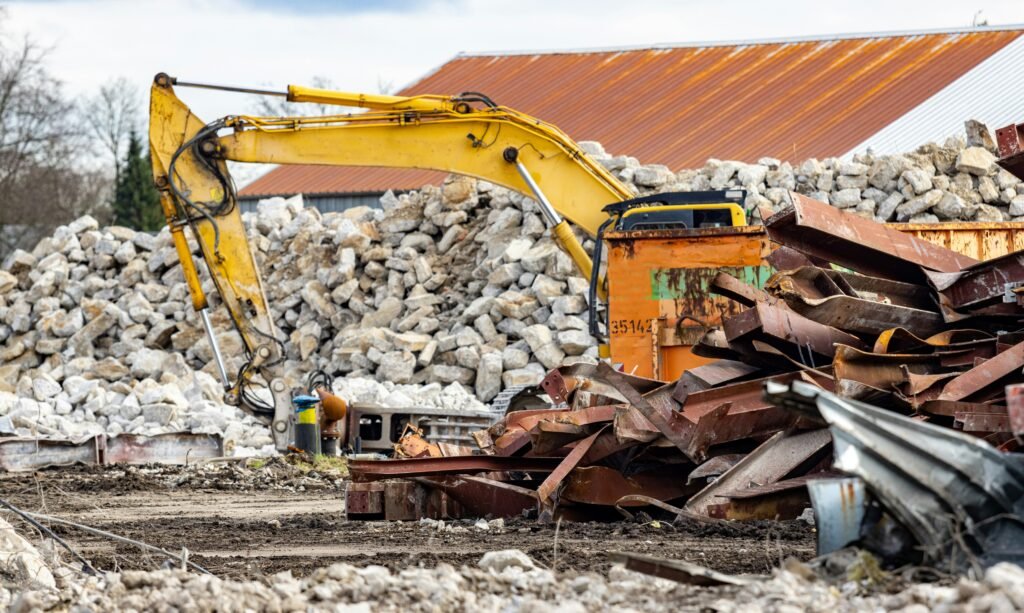
Construction projects generate far more than finished buildings. Every renovation, demolition, remodel, commercial buildout, roofing project, and infrastructure upgrade produces waste that must be handled safely and efficiently. Wood scraps, drywall, concrete, metal, roofing materials, packaging, insulation, glass, tile, flooring, and general job-site waste can quickly accumulate and disrupt productivity if not managed properly.
Professional construction debris removal has become a critical service for contractors, developers, property managers, homeowners, and commercial facility operators. Clean and organized job sites improve safety, support regulatory compliance, reduce delays, and help construction teams work more efficiently from project start to completion.
Unlike standard trash hauling, construction debris removal requires specialized equipment, disposal knowledge, recycling coordination, labor planning, and safety procedures. Materials may be heavy, sharp, dusty, bulky, or regulated depending on the project type. A structured debris removal process helps prevent site congestion while ensuring waste is transported, sorted, recycled, or disposed of responsibly.
According to the U.S. Environmental Protection Agency, 600 million tons of construction and demolition debris were generated in the United States in 2018, more than twice the amount of municipal solid waste generated that year. This scale shows why professional debris planning, recycling, and disposal have become central to modern construction management. (US EPA)
As construction timelines become tighter and sustainability expectations increase, professional construction debris removal now plays a direct role in project efficiency, environmental responsibility, and overall site management.
Clear Job Sites Quickly to Improve Construction Efficiency
A clean job site allows construction crews to move faster, work safer, and coordinate tasks more effectively. When debris piles up around active work areas, tradespeople lose time navigating obstacles, relocating materials, and managing unnecessary clutter.
Professional construction debris removal helps keep work zones organized by removing waste at scheduled stages throughout the project. Instead of waiting until the end of construction, contractors can arrange phased debris pickups that support smoother workflow and better site access.
Common materials removed from construction sites include:
| Debris Type | Common Source | Removal Benefit |
|---|---|---|
| Wood Scraps | Framing and carpentry | Clears work areas |
| Drywall Waste | Interior finishing | Reduces dust and clutter |
| Concrete and Brick | Demolition and masonry | Improves site access |
| Metal Scraps | Structural and mechanical work | Supports recycling |
| Roofing Materials | Roof repair or replacement | Prevents ground hazards |
| Packaging Waste | Material deliveries | Maintains organization |
Construction debris removal also improves coordination between subcontractors. Electricians, plumbers, painters, flooring installers, and finish crews often work in overlapping spaces. Removing waste regularly reduces congestion and helps each trade complete work without unnecessary delays.
In commercial projects, debris control becomes even more important because large quantities of waste can accumulate rapidly across multiple floors, loading areas, and exterior staging zones. Professional haulers help maintain order by removing debris before it interferes with project timelines.
Efficient debris removal supports productivity because workers spend less time cleaning around obstacles and more time completing skilled construction tasks.
Reduce Safety Risks With Organized Waste Management
Construction sites contain many hazards, and unmanaged debris can increase the risk of accidents significantly. Sharp metal, broken glass, loose nails, splintered wood, concrete rubble, and uneven waste piles can create trip hazards, puncture risks, and blocked access routes.
Professional construction debris removal helps reduce these hazards by keeping walkways, staging areas, entrances, and work zones clear. Organized waste management supports safer movement for workers, inspectors, delivery teams, and property owners.
Common safety concerns include:
- Slip and trip hazards
- Sharp object injuries
- Blocked emergency access
- Dust accumulation
- Heavy material handling injuries
- Fire risks from combustible waste
- Vehicle access obstruction
Construction debris removal providers often use trained crews, heavy-duty containers, dump trailers, roll-off dumpsters, and lifting equipment to handle materials safely.
Safety-focused debris removal also supports compliance with job-site standards. Contractors must maintain orderly work environments to reduce preventable injuries and operational disruptions.
| Safety Issue | Potential Impact | Removal Solution |
|---|---|---|
| Loose Nails and Wood | Puncture injuries | Scheduled waste pickup |
| Concrete Rubble | Trip hazards | Heavy debris hauling |
| Dusty Drywall Waste | Air irritation | Contained disposal |
| Blocked Pathways | Emergency access issues | Regular site clearing |
| Scrap Packaging | Fire and clutter risks | Daily or phased removal |
In my experience, job sites that treat debris removal as part of the construction schedule usually operate more smoothly than sites that treat cleanup as a final task. Small piles of waste can become major safety and productivity problems when they are ignored for too long.
By reducing hazards early, construction debris removal helps protect workers while supporting more efficient project delivery.
Separate Materials for Recycling and Responsible Disposal
Modern construction waste management increasingly focuses on recycling, landfill reduction, and responsible disposal. Many construction materials can be reused or recycled when separated properly, including metal, concrete, wood, cardboard, asphalt, brick, and certain plastics.
Professional construction debris removal providers often help sort materials so recyclable waste does not automatically end up in landfills. This process supports environmental goals while helping contractors meet sustainability requirements on commercial and municipal projects.
Common recyclable construction materials include:
| Material | Recycling Opportunity | Environmental Benefit |
|---|---|---|
| Concrete | Crushed for aggregate | Reduces landfill volume |
| Metal | Reprocessed into new products | Conserves raw materials |
| Wood | Mulch, fuel, or reuse | Reduces waste |
| Cardboard | Paper recycling | Supports material recovery |
| Brick | Reuse or crushed base material | Extends material life |
| Asphalt | Reclaimed paving material | Reduces new material demand |
Construction debris removal companies may coordinate with recycling centers, transfer stations, and specialized disposal facilities to ensure materials are handled correctly.
Sustainable debris removal has become especially important for green building projects, commercial developments, public works contracts, and environmentally conscious property owners. Contractors may also need documentation showing how waste was handled, especially on projects with sustainability targets.
Responsible disposal also reduces the risk of improper dumping. Construction waste must be transported to approved facilities rather than discarded in unauthorized locations.
As clients and regulators place greater emphasis on environmental responsibility, construction debris removal continues moving beyond simple hauling into structured waste management.
Support Demolition Projects With Heavy Debris Hauling
Demolition projects generate large volumes of heavy and bulky waste in a short period. Concrete, tile, brick, lumber, metal framing, plaster, cabinets, fixtures, roofing, insulation, and flooring materials can overwhelm standard cleanup methods quickly.
Professional construction debris removal supports demolition work by providing the labor, containers, equipment, and hauling capacity needed to remove waste efficiently.
Demolition debris often includes:
- Concrete slabs
- Brick and masonry
- Drywall and plaster
- Flooring materials
- Cabinets and fixtures
- Doors and windows
- Structural wood
- Metal framing
- Roofing materials
Heavy debris hauling requires careful planning because weight limits, container capacity, access routes, and disposal rules all affect project efficiency.
For example, concrete and masonry debris may require separate containers because these materials are extremely heavy and often recyclable. Mixed demolition waste may need sorting before disposal.
| Demolition Material | Removal Consideration |
|---|---|
| Concrete | Heavy-load hauling required |
| Tile and Stone | Dense disposal weight |
| Wood Framing | Can often be sorted |
| Metal Fixtures | Recycling value |
| Drywall | Dust control needed |
| Roofing Waste | Sharp and bulky debris |
Professional debris removal helps demolition teams maintain momentum by clearing waste as demolition progresses. This prevents debris from blocking crews, tools, vehicles, and equipment.
Residential remodels also benefit from structured debris removal. Kitchen renovations, bathroom remodels, basement finishing, and whole-house updates can produce more waste than homeowners expect.
A reliable construction debris removal provider helps keep demolition projects controlled, safer, and more organized from start to finish.
Improve Site Access for Contractors, Equipment, and Deliveries
Construction sites depend on constant movement. Crews, equipment, material deliveries, inspectors, and waste haulers all need safe and efficient access. When debris blocks driveways, loading zones, walkways, or staging areas, project delays become more likely.
Construction debris removal improves site access by clearing unnecessary materials before they interfere with operations.
Access problems often affect:
- Material delivery zones
- Driveways and parking areas
- Interior walkways
- Stairwells and hallways
- Elevator access points
- Loading docks
- Equipment staging areas
Commercial projects often involve multiple delivery schedules and subcontractor teams. If debris is not removed regularly, new materials may have nowhere to be staged safely.
Clean access routes also help reduce damage to finished surfaces. Workers carrying materials through cluttered areas may accidentally damage walls, floors, trim, or fixtures.
Professional construction debris removal teams coordinate pickup schedules around project phases, delivery windows, and site restrictions. This coordination helps contractors maintain productive movement throughout the project.
In dense urban environments, access management becomes even more important because space is limited. Roll-off containers, dump trailers, and debris staging areas must be planned carefully to avoid blocking sidewalks, neighboring properties, or traffic flow.
A clear site is not only easier to navigate. It also communicates professionalism to clients, inspectors, and project stakeholders.
Manage Residential Renovation Waste More Efficiently
Home renovation projects often generate more debris than homeowners anticipate. Even modest upgrades can produce piles of flooring, cabinets, drywall, tile, packaging, old fixtures, and discarded materials.
Professional construction debris removal helps homeowners and residential contractors avoid the inconvenience of repeated dump trips, vehicle damage, and improper disposal.
Residential projects commonly requiring debris removal include:
| Project Type | Common Waste Produced |
|---|---|
| Kitchen Remodel | Cabinets, countertops, tile, packaging |
| Bathroom Renovation | Tile, drywall, fixtures, plumbing materials |
| Roof Replacement | Shingles, underlayment, nails, flashing |
| Flooring Installation | Carpet, wood, vinyl, adhesive waste |
| Basement Remodel | Framing scraps, drywall, insulation |
| Deck Removal | Wood boards, fasteners, railings |
Residential construction debris removal also protects curb appeal during active projects. Piles of renovation waste can create neighborhood complaints, safety concerns, and property access issues.
Professional crews can remove debris quickly while protecting driveways, lawns, landscaping, and exterior surfaces from unnecessary damage.
Many homeowners also appreciate that debris removal providers understand disposal requirements for different materials. Items such as treated wood, old paint-related materials, insulation, or bulky fixtures may require specific handling depending on local rules.
For residential contractors, outsourcing debris removal allows crews to focus on skilled renovation work instead of cleanup logistics.
Handle Commercial Construction Waste at Scale
Commercial construction projects produce large volumes of debris across longer timelines and more complex job sites. Office buildouts, retail renovations, hospitality upgrades, medical facility construction, and industrial improvements all require structured waste removal systems.
Professional construction debris removal supports commercial projects by providing scalable hauling solutions, scheduled pickups, container management, and disposal coordination.
Commercial debris often includes:
- Metal framing
- Ceiling tiles
- Carpet and flooring
- Drywall and insulation
- Glass partitions
- Fixtures and cabinetry
- Pallets and packaging
- Concrete and masonry
Commercial properties also face stricter expectations regarding safety, access, noise, tenant disruption, and project timelines.
| Commercial Setting | Debris Removal Priority |
|---|---|
| Office Renovations | Minimize tenant disruption |
| Retail Buildouts | Maintain opening schedules |
| Hotels | Protect guest-facing areas |
| Healthcare Facilities | Support sanitation standards |
| Industrial Sites | Manage heavy and specialized waste |
| Multifamily Properties | Maintain resident access |
Construction debris removal companies often work after hours or during scheduled work windows to reduce disruption in occupied buildings.
For commercial contractors, reliable debris removal can directly affect turnover deadlines. Delays in cleanup may postpone inspections, tenant move-ins, equipment installation, or final walkthroughs.
Professional hauling services also help document waste handling when project owners require disposal records or recycling reports.
As commercial development continues evolving, structured debris removal remains essential for maintaining project control and operational efficiency.
Choose the Right Containers and Hauling Options
Construction debris removal works best when container size, hauling frequency, and waste type align with project needs. Choosing the wrong container can increase costs, delay work, or create logistical problems.
Common debris removal options include:
| Removal Option | Best Use |
|---|---|
| Roll-Off Dumpster | Large construction or demolition projects |
| Dump Trailer | Smaller renovation projects |
| Junk Removal Crew | Labor-intensive debris pickup |
| Concrete Dumpster | Heavy masonry or concrete waste |
| Recycling Container | Sorted recyclable materials |
| Scheduled Hauling | Ongoing construction projects |
Roll-off dumpsters are often ideal for larger projects because they provide high-capacity on-site storage. However, they require enough space for delivery, placement, and pickup.
Dump trailers may be better for smaller residential projects or properties with limited space.
Full-service debris removal crews are useful when materials must be carried from inside a property, basement, upper floor, or tight access area.
Contractors should also consider weight restrictions. Heavy materials such as concrete, brick, dirt, stone, and roofing shingles can exceed container weight limits quickly.
A professional construction debris removal provider can recommend the right hauling option based on project size, material type, site access, and disposal requirements.
Good planning prevents overfilled containers, extra fees, blocked work areas, and unnecessary project delays.
Reduce Project Costs Through Better Waste Planning
Construction waste can become expensive when it is handled inefficiently. Poor debris planning may lead to repeated dump runs, labor downtime, container overage fees, delayed inspections, and site safety problems.
Professional construction debris removal helps reduce these costs through organized scheduling, proper container use, recycling opportunities, and efficient hauling.
Cost-saving strategies often include:
- Scheduling debris pickups by project phase
- Separating recyclable materials
- Avoiding overloaded containers
- Using proper container sizes
- Reducing crew cleanup time
- Preventing blocked access areas
- Coordinating debris removal before inspections
Waste planning becomes especially valuable on larger construction projects where debris volume changes from phase to phase.
For example, demolition phases may require frequent heavy debris hauling, while finishing phases may produce more packaging, cardboard, and light waste.
Construction managers who plan debris removal early can avoid last-minute cleanup expenses near project completion.
| Waste Planning Step | Cost Benefit |
|---|---|
| Early Removal Scheduling | Reduces delays |
| Material Sorting | Supports recycling savings |
| Proper Container Selection | Avoids overage charges |
| Phased Pickups | Prevents site congestion |
| Professional Labor Support | Reduces crew downtime |
A well-managed debris removal plan protects both the project timeline and the budget.
Choose a Professional Construction Debris Removal Provider
Not every hauling company is equipped to manage construction waste safely and efficiently. Construction debris removal requires knowledge of material handling, disposal rules, equipment needs, recycling options, and job-site coordination.
Contractors, property owners, and developers should evaluate providers carefully before hiring.
Important selection factors include:
| Evaluation Factor | What to Look For |
|---|---|
| Construction Experience | Familiarity with job-site waste |
| Equipment Capacity | Dumpsters, trucks, trailers, and labor crews |
| Recycling Knowledge | Ability to separate reusable materials |
| Insurance Coverage | Protection for property and workers |
| Scheduling Reliability | On-time pickup and delivery |
| Disposal Compliance | Use of approved facilities |
| Transparent Pricing | Clear hauling and disposal fees |
Reliable providers communicate clearly about accepted materials, weight limits, pickup schedules, and disposal restrictions.
They should also understand how to work around active construction zones without disrupting crews or damaging property.
For contractors managing multiple projects, a dependable debris removal partner can improve consistency across job sites and reduce administrative stress.
A professional construction debris removal provider does more than haul waste. The right partner helps keep projects safer, cleaner, and better organized from beginning to completion.
Position Construction Projects for Cleaner and More Responsible Completion
Construction debris removal has become an essential part of modern project management. Clean job sites improve safety, reduce delays, support productivity, and help contractors maintain professional standards throughout each phase of work.
As sustainability expectations increase, debris removal also supports recycling, responsible disposal, and more efficient material recovery. Contractors and property owners now benefit from treating waste management as a planned operational process rather than a final cleanup task.
From residential renovations to large commercial developments, professional construction debris removal helps projects move forward with fewer obstacles and stronger site control.
Organizations that invest in structured debris removal often create safer working environments, better client impressions, and smoother project outcomes.
Conclusion
Construction projects generate waste at every stage, from demolition and framing to finishing and final cleanup. Without proper debris management, job sites can become cluttered, unsafe, inefficient, and difficult to control.
Professional construction debris removal helps contractors, homeowners, developers, and property managers maintain cleaner work environments while supporting safety, productivity, recycling, and responsible disposal.
By removing waste efficiently, protecting site access, handling heavy materials, and coordinating with project schedules, debris removal providers contribute directly to successful project completion.
As construction timelines tighten and environmental expectations rise, construction debris removal will remain a vital service for safer, cleaner, and more efficient building projects.
Frequently Asked Questions About Construction Debris Removal
What is construction debris removal?
Construction debris removal is the process of collecting, hauling, sorting, recycling, and disposing of waste materials generated during construction, renovation, demolition, or remodeling projects.
What materials can construction debris removal services take?
Common materials include wood, drywall, metal, concrete, brick, tile, flooring, roofing materials, cabinets, fixtures, insulation, packaging, and general job-site waste.
Why is construction debris removal important?
It improves job-site safety, reduces clutter, supports productivity, maintains access routes, helps meet disposal requirements, and prepares properties for inspections or final turnover.
Can construction debris be recycled?
Yes. Materials such as concrete, metal, wood, cardboard, brick, asphalt, and some plastics can often be recycled when separated properly.
Do homeowners need construction debris removal for renovations?
Yes. Renovation projects can generate significant waste, and professional removal helps homeowners avoid repeated dump trips, safety hazards, and improper disposal.
How should contractors choose a construction debris removal provider?
Contractors should look for experience, proper equipment, insurance, reliable scheduling, transparent pricing, recycling knowledge, and compliance with approved disposal practices.