
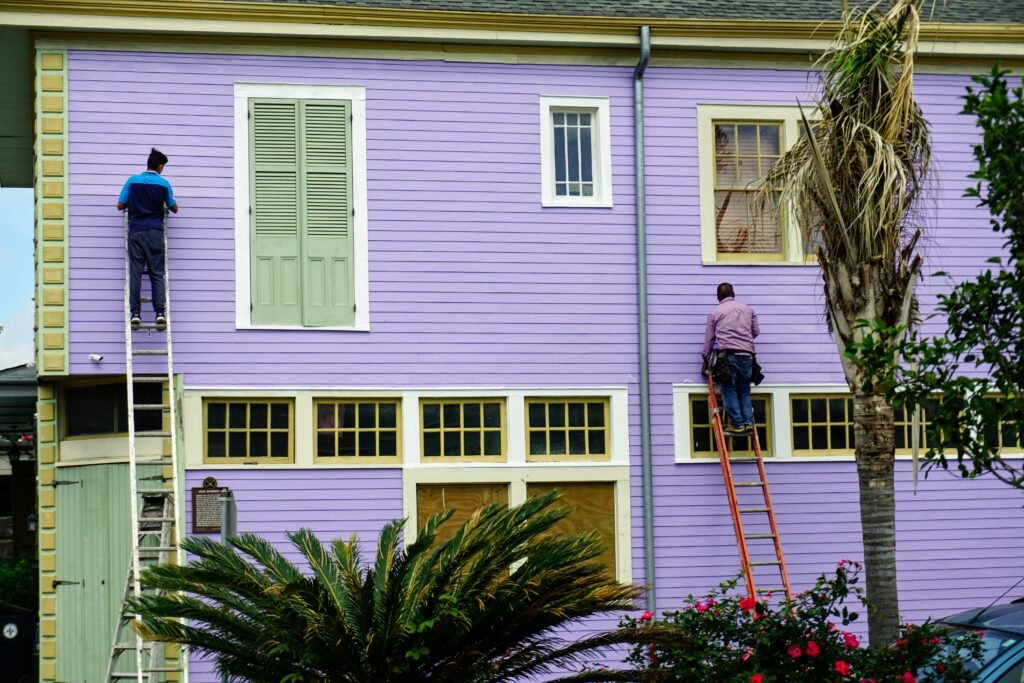
Residential properties face constant exposure to weather, moisture, sunlight, temperature fluctuations, pollution, and environmental wear. Over time, these conditions gradually affect siding, trim, stucco, wood surfaces, and exterior finishes, leading to fading paint, cracking, peeling, moisture intrusion, and structural deterioration. As homeowners increasingly prioritize both property appearance and long-term maintenance, the role of a professional exterior house painter has become more important than ever.
Exterior painting involves far more than cosmetic improvement alone. A qualified exterior house painter helps protect homes from environmental damage while improving curb appeal, preserving building materials, and extending the lifespan of exterior surfaces. Proper surface preparation, paint selection, weather-resistant coatings, and professional application techniques all contribute directly to the durability and performance of a home’s exterior.
Modern exterior painting projects now incorporate advanced coating technologies, moisture-resistant primers, UV-protective finishes, environmentally conscious products, and specialized surface restoration methods. Homeowners, property investors, real estate professionals, and residential developers increasingly rely on experienced exterior painting contractors to maintain property condition and market value.
According to the National Association of Realtors 2025 Remodeling Impact Report, exterior painting projects can recover a significant portion of their cost at resale, with many homeowners also reporting stronger buyer interest after improving exterior presentation. This growing emphasis on curb appeal reflects how closely exterior condition is tied to perceived property value and long-term maintenance quality.
Whether updating an aging property, preparing a home for resale, restoring weather-damaged siding, or modernizing architectural appearance, a professional exterior house painter plays a critical role in long-term residential property maintenance.
Protect Exterior Surfaces From Weather and Environmental Damage
A home’s exterior constantly absorbs the impact of rain, snow, humidity, sunlight, wind, dirt, and temperature changes. Without proper protection, exterior materials can deteriorate gradually, leading to expensive repairs and structural problems over time.
A professional exterior house painter applies protective coatings specifically designed to shield surfaces from environmental exposure. Modern exterior paints form durable barriers that help resist moisture penetration, UV damage, mold growth, and temperature-related expansion and contraction.
Common environmental threats affecting exterior surfaces include:
| Environmental Factor | Potential Damage |
|---|---|
| UV Sun Exposure | Paint fading and cracking |
| Moisture Intrusion | Rot and mildew growth |
| Temperature Changes | Surface expansion and peeling |
| Wind and Dirt | Surface erosion |
| Humidity | Mold and mildew accumulation |
Exterior painting systems often include primers, sealants, and weather-resistant topcoats that work together to improve durability and surface performance.
Wood siding, stucco, fiber cement, brick, and trim materials all require different preparation methods and coating systems depending on climate conditions and surface composition.
Homes located in coastal regions, humid climates, or areas with intense sunlight often require more specialized coatings designed for extreme weather resistance.
An experienced exterior house painter understands how environmental exposure affects different materials and can recommend coating systems that maximize long-term protection.
As climate conditions become more unpredictable in many regions, exterior paint performance has become increasingly important in preserving residential structures.
Improve Curb Appeal and Residential Property Presentation
Curb appeal significantly influences how a property is perceived by homeowners, neighbors, visitors, buyers, and real estate professionals. Faded paint, peeling surfaces, outdated color schemes, and visible weather damage can make even structurally sound homes appear neglected.
A professional exterior house painter helps transform property appearance through updated finishes, clean color coordination, and detailed surface restoration.
Exterior painting improvements often include:
- Siding repainting
- Trim restoration
- Door refinishing
- Garage door painting
- Fence and deck coatings
- Window frame detailing
- Stucco refinishing
Color selection also plays a major role in overall presentation. Modern homeowners increasingly choose color palettes that complement architectural style, landscaping, roofing materials, and neighborhood aesthetics.
Professional painters frequently assist clients with:
| Design Consideration | Visual Impact |
|---|---|
| Neutral Exterior Colors | Timeless appearance |
| Contrasting Trim Colors | Improved architectural definition |
| Modern Finishes | Updated curb appeal |
| Coordinated Color Schemes | Stronger visual consistency |
| Accent Features | Enhanced property character |
In my experience, exterior painting remains one of the most cost-effective ways to improve a home’s appearance quickly without major structural renovations. Even older homes often appear dramatically newer after professional surface preparation and updated paint application.
Real estate agents also commonly recommend exterior repainting before listing properties because first impressions strongly influence buyer perception during initial walkthroughs and online property searches.
A well-maintained exterior often communicates that the overall property has been cared for responsibly over time.
Prepare Surfaces Properly Before Exterior Painting Begins
Long-lasting exterior paint performance depends heavily on preparation quality. Many exterior painting failures result not from poor paint products but from inadequate surface preparation before application.
A professional exterior house painter spends significant time preparing surfaces to ensure paint adhesion, durability, and smooth finishing results.
Surface preparation commonly includes:
| Preparation Step | Purpose |
|---|---|
| Pressure Washing | Remove dirt and debris |
| Scraping Loose Paint | Eliminate unstable coatings |
| Sanding Surfaces | Improve paint adhesion |
| Caulking Cracks and Gaps | Prevent moisture intrusion |
| Priming Bare Surfaces | Strengthen coating durability |
| Repairing Damaged Areas | Restore structural integrity |
Pressure washing removes mildew, dirt, oxidation, and peeling paint before repairs begin. Damaged wood, cracked stucco, or deteriorated trim may also require repair or replacement prior to painting.
Moisture detection has become increasingly important during preparation phases because hidden water intrusion can cause premature paint failure if not corrected first.
Professional painters additionally evaluate:
- Surface moisture levels
- Existing coating conditions
- Structural damage
- Mold or mildew presence
- Sun exposure patterns
- Ventilation issues
Proper preparation creates stronger paint adhesion while improving finish consistency and long-term weather resistance.
Experienced exterior house painters understand that preparation often determines whether a paint job lasts five years or fifteen years.
Select Exterior Paint Systems Based on Climate and Surface Type
Not all exterior paint products perform equally across different climates and building materials. A professional exterior house painter evaluates environmental conditions, surface composition, and long-term maintenance goals before selecting paint systems.
Modern exterior coatings vary significantly in:
- UV resistance
- Moisture protection
- Elasticity
- Mold resistance
- Durability
- Finish texture
- Temperature tolerance
Common exterior surface types often include:
| Surface Material | Typical Paint Requirement |
|---|---|
| Wood Siding | Flexible moisture-resistant coatings |
| Stucco | Breathable masonry paint |
| Fiber Cement | Durable acrylic exterior paint |
| Brick | Specialized masonry coatings |
| Metal Surfaces | Rust-resistant primers and finishes |
Acrylic latex paints have become especially popular because they offer strong adhesion, flexibility, color retention, and weather resistance across many surface types.
Homes exposed to high humidity or coastal salt air often require coatings with enhanced mildew resistance and corrosion protection.
Color retention technology has also improved significantly. Many premium paints now contain UV-blocking additives that reduce fading and surface breakdown over time.
An experienced exterior house painter understands how climate conditions affect coating performance and can recommend products designed for long-term durability in specific environments.
Increase Residential Property Value Through Exterior Improvements
Exterior appearance directly influences property valuation and buyer confidence. Homes with deteriorated paint, visible weather damage, or neglected siding often receive lower market evaluations and reduced buyer interest.
Professional exterior painting helps maintain and improve property value by protecting structural materials while enhancing overall presentation.
Exterior upgrades often influence:
| Property Factor | Potential Benefit |
|---|---|
| Visual Presentation | Stronger buyer appeal |
| Structural Protection | Reduced maintenance concerns |
| Neighborhood Appearance | Improved market perception |
| Inspection Readiness | Fewer visible deficiencies |
| Long-Term Maintenance | Lower repair risks |
According to the National Association of Realtors, exterior painting projects consistently rank among the most valuable home improvement investments for improving resale appeal and buyer perception.
Real estate professionals frequently recommend repainting before listing homes because exterior condition strongly affects first impressions during both digital listings and in-person showings.
Buyers often associate peeling paint or weathered exteriors with hidden maintenance issues, even when structural systems remain sound.
A professionally painted exterior therefore contributes not only to aesthetics but also to perceived property quality and long-term maintenance confidence.
As housing markets become increasingly competitive, exterior presentation continues playing a major role in attracting buyers and supporting property value growth.
Improve Long-Term Maintenance Efficiency for Homeowners
Preventative maintenance has become increasingly important for homeowners seeking to reduce long-term repair costs. Exterior painting functions as both a cosmetic improvement and a protective maintenance strategy.
A professional exterior house painter helps homeowners identify early signs of deterioration before larger structural issues develop.
Exterior inspections during painting projects often reveal:
- Wood rot
- Moisture damage
- Cracked caulking
- Failing sealants
- Siding deterioration
- Ventilation problems
- Surface corrosion
Addressing these issues early helps reduce future repair expenses while preserving structural integrity.
Routine repainting schedules also improve maintenance planning. Many homes require repainting every five to fifteen years depending on climate exposure, paint quality, and surface type.
Preventative exterior maintenance commonly includes:
| Maintenance Activity | Long-Term Benefit |
|---|---|
| Repainting Surfaces | Extended material lifespan |
| Caulking Replacement | Moisture protection |
| Surface Sealing | Reduced weather damage |
| Trim Restoration | Prevented structural decay |
| Mildew Removal | Improved surface preservation |
Homeowners who maintain exterior coatings consistently often avoid larger renovation costs associated with neglected siding, trim, and moisture intrusion.
Exterior painting therefore supports both property appearance and long-term structural preservation.
Use Professional Equipment and Safety Procedures During Projects
Exterior painting projects often involve elevated work areas, ladders, scaffolding, specialized spray equipment, and hazardous preparation materials. Professional exterior house painters use commercial-grade equipment and safety procedures designed for efficient and controlled project execution.
Professional painting equipment often includes:
- Airless paint sprayers
- Extension ladders
- Scaffolding systems
- Surface sanders
- Pressure washers
- Moisture meters
- Safety harness systems
Safety planning becomes especially important for multi-story homes, steep rooflines, and properties with difficult access conditions.
Professional contractors also follow procedures for:
| Safety Practice | Purpose |
|---|---|
| Ladder Stabilization | Reduce fall risks |
| Protective Coverings | Protect landscaping and surfaces |
| Respirator Use | Limit dust and fume exposure |
| Lead Paint Precautions | Maintain environmental safety |
| Controlled Paint Storage | Reduce fire hazards |
Older homes may additionally require lead-safe work practices when disturbing aging paint layers during preparation phases.
Experienced exterior house painters understand how to complete projects efficiently while minimizing risks to workers, occupants, landscaping, and surrounding property areas.
Professional equipment and training also contribute to smoother finishes, more consistent application, and faster project timelines.
Choose the Right Exterior House Painter for Quality Results
Not all painting contractors provide the same level of expertise, workmanship, product quality, or project management. Selecting the right exterior house painter directly affects durability, appearance, and long-term maintenance performance.
Homeowners should evaluate several important factors before hiring a contractor.
Key evaluation criteria often include:
| Evaluation Factor | What Homeowners Should Assess |
|---|---|
| Licensing and Insurance | Regulatory and liability protection |
| Experience Level | Residential exterior specialization |
| Surface Preparation Standards | Cleaning and repair procedures |
| Product Quality | Paint and primer selection |
| Warranty Coverage | Long-term workmanship support |
| Portfolio Examples | Previous project quality |
| Customer Reviews | Reputation and reliability |
| Communication Practices | Project transparency |
Detailed estimates should outline preparation work, materials, labor, timelines, warranties, and cleanup procedures clearly.
Homeowners should also verify whether contractors use premium exterior coatings designed for local climate conditions rather than low-cost materials with shorter lifespans.
Transparent communication remains especially important throughout exterior projects because weather conditions, hidden surface damage, and scheduling adjustments can affect timelines.
An experienced exterior house painter combines technical skill, preparation expertise, product knowledge, and project coordination to deliver reliable long-term results.
Position Residential Properties for Long-Term Durability and Visual Appeal
Exterior painting has evolved far beyond simple cosmetic improvement. Modern exterior painting projects now support structural protection, energy efficiency, environmental resistance, maintenance planning, and long-term property preservation.
A professional exterior house painter helps homeowners maintain stronger property performance by combining proper preparation, advanced coating technology, weather-resistant finishes, and detailed craftsmanship.
Homeowners today also pay closer attention to exterior maintenance because visible property condition often shapes neighborhood perception and long-term resale confidence. A professionally maintained exterior can make a home appear newer, cleaner, and far more structurally sound even before buyers step inside.
As homeowners continue investing in preventative maintenance and property improvement, exterior painting remains one of the most valuable services for protecting residential investments and improving long-term curb appeal.
From historic homes and suburban neighborhoods to luxury residences and multifamily developments, professional exterior painting continues playing a central role in residential property maintenance and visual presentation.
Conclusion
Exterior surfaces experience constant environmental exposure that gradually affects paint performance, structural materials, and overall property appearance. Without proper maintenance, weather damage, moisture intrusion, fading, and surface deterioration can reduce both curb appeal and long-term property value.
A professional exterior house painter helps protect residential properties through detailed surface preparation, durable coating systems, moisture protection, and high-quality finishing techniques. These services improve visual presentation while supporting long-term structural durability and maintenance efficiency.
From repainting aging siding to restoring trim, stucco, doors, and exterior architectural features, professional exterior painting contributes directly to stronger property protection and improved homeowner confidence.
As housing markets remain competitive and homeowners continue prioritizing preventative maintenance, exterior house painters will remain essential partners in residential property preservation and long-term curb appeal enhancement.
Frequently Asked Questions About Exterior House Painter Services
What does an exterior house painter do?
An exterior house painter prepares, repairs, primes, and paints exterior residential surfaces such as siding, trim, doors, stucco, fences, and other outdoor structures.
How often should a house exterior be repainted?
Most homes require repainting every five to fifteen years depending on climate conditions, surface materials, paint quality, and environmental exposure.
Why is surface preparation important before exterior painting?
Proper preparation improves paint adhesion, durability, moisture resistance, and finish quality. Without adequate preparation, paint may peel, crack, or fail prematurely.
What type of paint is best for exterior surfaces?
Acrylic latex exterior paint is commonly preferred because it offers durability, flexibility,weather resistance, and strong color retention across many surface types.
Does exterior painting increase home value?
Yes. Exterior painting improves curb appeal, protects building materials, and creates a stronger first impression for buyers, which can positively influence property value and marketability.
How do homeowners choose the right exterior house painter?
Homeowners should evaluate licensing, insurance, experience, preparation standards, product quality, warranties, customer reviews, and project communication before hiring a contractor.