
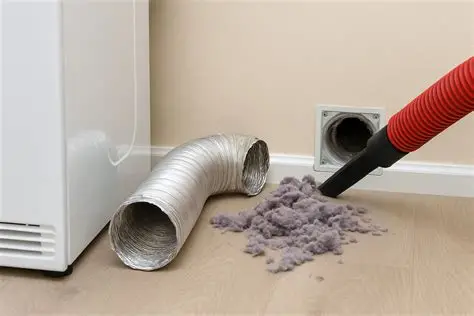
Modern homeowners are paying closer attention to the systems that protect property, reduce utility costs, and support everyday convenience. While HVAC maintenance, plumbing inspections, roof care, and appliance servicing often receive regular attention, dryer vent maintenance is frequently overlooked. Yet clogged dryer vents can reduce appliance performance, increase energy use, shorten dryer lifespan, and create serious fire safety concerns.
Professional dryer vent cleaning helps remove lint, dust, debris, and airflow restrictions from the dryer exhaust system. Unlike basic lint trap cleaning, this service addresses the full vent pathway that carries hot, moist air from the dryer to the exterior of the home. When that pathway becomes blocked, the dryer must work harder, drying times increase, and heat can build up inside the system.
A professional dryer vent cleaning service uses specialized brushes, vacuums, air tools, and inspection equipment to clean the vent line more thoroughly than most homeowners can manage with basic tools. This improves airflow, supports appliance efficiency, and reduces risks linked to lint accumulation.
According to the U.S. Fire Administration, 2,900 home clothes dryer fires are reported each year and cause an estimated 5 deaths, 100 injuries, and $35 million in property loss. Failure to clean is the leading factor contributing to these fires, accounting for 34% of incidents. (U.S. Fire Administration)
As homes become more energy-conscious and safety-focused, professional dryer vent cleaning has become an important part of responsible property maintenance.
Improve Dryer Efficiency Through Better Airflow
Dryers depend on clear airflow to remove moisture from clothing effectively. When lint and debris restrict the vent, hot air remains trapped inside the dryer drum and exhaust system, forcing the appliance to run longer cycles.
Professional dryer vent cleaning restores airflow by removing buildup from the vent line, transition hose, exterior vent hood, and hard-to-reach duct sections.
Common airflow problems include:
| Vent Problem | Operational Impact | Cleaning Benefit |
|---|---|---|
| Lint buildup | Longer drying times | Faster moisture removal |
| Crushed hose | Restricted airflow | Improved exhaust movement |
| Blocked vent hood | Heat buildup | Better outdoor ventilation |
| Debris in ductwork | Reduced efficiency | Restored air passage |
| Bird nest obstruction | Severe blockage | Safer vent operation |
Improved airflow helps dryers operate closer to their intended performance level. Clothes dry faster, cycles become more consistent, and the appliance uses less effort to complete each load.
Homeowners often notice the difference quickly after professional dryer vent cleaning. Towels, jeans, bedding, and heavy fabrics that once required multiple cycles may begin drying more efficiently.
Efficient airflow also reduces unnecessary wear on heating elements, motors, sensors, and internal dryer components.
Reduce Fire Risks Linked to Lint Accumulation
Lint is highly combustible, and dryer vents naturally collect lint over time. Even when homeowners clean the lint screen after each load, small particles can still pass into the vent system and accumulate along duct walls.
Professional dryer vent cleaning helps reduce this buildup before it becomes a serious hazard.
Fire-related risk factors often include:
- Excess lint inside the vent line
- Overheated dryer components
- Blocked exterior vents
- Damaged transition hoses
- Long or poorly designed vent runs
- Infrequent maintenance
Dryer vents located in laundry closets, interior utility rooms, upper floors, and long duct routes often require more careful maintenance because airflow restrictions can develop out of sight.
A professional technician can identify hidden buildup, disconnected ducts, crushed hoses, or unsafe materials that may increase risk.
In my experience, many homeowners do not realize how much lint can collect beyond the visible lint trap. The hidden vent line is often where the real performance and safety problems develop.
Routine professional dryer vent cleaning gives homeowners a practical way to reduce preventable fire hazards while improving daily appliance performance.
Lower Energy Costs With Cleaner Dryer Vent Systems
A clogged dryer vent forces the appliance to run longer and consume more energy. When drying cycles stretch from 40 minutes to 70 minutes or require repeat cycles, energy use rises noticeably over time.
Professional dryer vent cleaning supports better energy efficiency by allowing hot, moist air to exit the home properly.
Energy efficiency benefits include:
| Efficiency Factor | Result |
|---|---|
| Shorter drying cycles | Reduced energy use |
| Less heat buildup | Improved appliance performance |
| Better airflow | More consistent drying |
| Reduced repeat cycles | Lower utility waste |
| Less appliance strain | Longer system life |
Electric and gas dryers both benefit from clear vent systems. Electric dryers may consume less electricity when airflow improves, while gas dryers can operate more safely and efficiently with proper exhaust movement.
Cleaner vents also help prevent moisture from lingering inside the dryer drum and laundry area. Excess moisture can contribute to musty odors, condensation, and poor indoor comfort.
For households that do frequent laundry, the savings from improved dryer efficiency can become meaningful over time.
Professional dryer vent cleaning therefore functions as both a safety service and an energy management strategy.
Extend Dryer Lifespan Through Preventative Maintenance
Dryers are major household appliances, and replacing them can be expensive. Poor airflow places added strain on internal components, including heating elements, thermostats, motors, belts, and sensors.
Professional dryer vent cleaning helps reduce this strain by allowing the dryer to operate under normal conditions.
Preventative maintenance can help reduce:
- Overheating
- Long drying cycles
- Premature component failure
- Sensor malfunctions
- Motor strain
- Excessive internal heat
When dryers work harder than necessary, parts wear out faster. Over time, this can lead to repair calls, inconsistent performance, or early replacement.
Routine cleaning also helps technicians identify vent design problems that may affect long-term appliance health. These problems may include overly long duct runs, too many bends, crushed hoses, or poor exterior vent placement.
| Maintenance Issue | Possible Long-Term Effect |
|---|---|
| Blocked ducts | Appliance overheating |
| Poor vent routing | Reduced drying efficiency |
| Crushed transition hose | Restricted exhaust flow |
| Dirty exterior vent | Moisture and heat buildup |
| Uncleaned lint buildup | Higher repair risk |
A properly maintained vent system protects both the dryer and the surrounding property.
Professional dryer vent cleaning is especially useful for busy households, rental properties, multifamily buildings, and homes with older dryer systems.
Improve Indoor Air Quality and Moisture Control
Dryer vents are designed to move moisture, heat, lint, and exhaust safely outside. When the vent system is clogged or damaged, moisture and particles may remain inside the laundry area.
Professional dryer vent cleaning helps support healthier indoor conditions by improving exhaust flow and reducing lint circulation.
Poor vent performance can contribute to:
- Musty laundry odors
- Humidity buildup
- Condensation near laundry areas
- Lint dust around the dryer
- Mold-friendly moisture conditions
- Poor ventilation
Gas dryers require special attention because exhaust systems must remove combustion byproducts properly. Any restriction in airflow should be addressed quickly to support safer operation.
Moisture control also matters for homes with laundry rooms located near finished basements, interior hallways, closets, or living spaces. Trapped humidity can affect walls, flooring, cabinetry, and nearby storage areas.
Professional technicians can inspect exterior vent covers, airflow strength, and duct connections to confirm that the system is exhausting properly.
A clean vent supports a fresher laundry area and helps protect surrounding finishes from moisture-related problems.
Identify Warning Signs That Dryer Vent Cleaning Is Needed
Many dryer vent problems develop gradually. Homeowners may adjust to longer drying times without realizing the vent system is becoming restricted.
Recognizing early warning signs can help prevent larger problems.
Common signs include:
| Warning Sign | What It May Indicate |
|---|---|
| Clothes take longer to dry | Restricted airflow |
| Dryer feels unusually hot | Heat buildup |
| Burning smell during cycles | Lint accumulation |
| Laundry room feels humid | Poor exhaust movement |
| Exterior vent flap does not open | Blockage or weak airflow |
| Excess lint near dryer | Vent leakage or buildup |
| Dryer shuts off mid-cycle | Overheating protection |
If heavy items such as towels, blankets, and jeans require repeated cycles, the vent system should be inspected.
A burning smell should be treated seriously because it may indicate overheating lint or excessive heat around dryer components.
Professional dryer vent cleaning helps address these warning signs before they lead to appliance failure or property damage.
Homeowners should also be cautious after moving into a new house, since previous owners may not have maintained the vent system regularly.
Support Multifamily and Rental Property Maintenance
Professional dryer vent cleaning is especially important for landlords, apartment communities, condos, student housing, senior living properties, and multifamily developments.
Shared or frequently used laundry systems collect lint faster than typical single-family dryers. In-unit dryers across large properties may also have complex duct routes that require scheduled maintenance.
Multifamily property benefits include:
- Reduced fire risk
- Better tenant satisfaction
- Fewer maintenance complaints
- Lower appliance repair frequency
- Improved energy performance
- Stronger property care standards
Property managers often schedule routine dryer vent cleaning as part of annual or semiannual maintenance plans.
| Property Type | Cleaning Priority |
|---|---|
| Apartment Buildings | Tenant safety and compliance |
| Condominiums | Shared property protection |
| Rental Homes | Appliance preservation |
| Senior Living Facilities | Safety-focused maintenance |
| Student Housing | Heavy laundry usage |
| Vacation Rentals | Guest readiness |
Rental property owners benefit from documentation showing that vent systems were inspected and cleaned regularly.
Tenants may not always recognize or report dryer vent warning signs promptly, so proactive maintenance helps prevent problems before they escalate.
For property managers, professional dryer vent cleaning supports both risk management and operational efficiency.
Use Specialized Tools for Deeper Vent Cleaning
Basic homeowner tools usually cannot clean the entire dryer vent system effectively, especially when the vent run is long, angled, or located behind walls and ceilings.
Professional dryer vent cleaning providers use specialized tools designed to reach deeper into ductwork and remove compacted lint safely.
Common tools include:
- Rotary brush systems
- High-powered vacuums
- Air whips
- Flexible rods
- Vent inspection cameras
- Airflow meters
- Exterior vent cleaning tools
These tools allow technicians to clean from both the dryer connection and exterior vent opening when needed.
Professional cleaning also helps avoid common mistakes, such as damaging flexible ducts, pushing lint deeper into the system, or failing to clean the exterior termination point.
Certain homes have long vent runs that extend through attics, crawl spaces, basements, walls, or roofs. These systems often require professional equipment and experience.
A skilled technician can also identify whether the duct material is safe and properly installed. Some older flexible plastic or foil-style ducts may need replacement with safer, more durable materials.
Professional dryer vent cleaning provides a more complete solution than surface-level lint removal.
Choose the Right Professional Dryer Vent Cleaning Provider
Not all cleaning providers offer the same level of experience, equipment quality, or inspection detail. Homeowners should choose a provider that understands both appliance performance and vent safety.
Important evaluation factors include:
| Evaluation Factor | What to Look For |
|---|---|
| Experience | Dryer vent and duct cleaning knowledge |
| Equipment | Rotary brushes, vacuums, and inspection tools |
| Insurance | Property and liability protection |
| Inspection Process | Airflow and vent condition checks |
| Transparent Pricing | Clear service costs |
| Maintenance Advice | Practical prevention guidance |
| Customer Reviews | Reliability and service quality |
A qualified provider should explain the cleaning process clearly, inspect the vent route, remove lint buildup, and verify airflow after service.
Homeowners should be cautious of companies that offer extremely low prices without explaining what the service includes. A proper cleaning should address more than the lint trap area.
Professional dryer vent cleaning providers may also recommend improvements such as replacing crushed hoses, upgrading exterior vent covers, or shortening inefficient duct routes.
Good communication, reliable scheduling, and clear documentation help homeowners feel confident that the service was completed properly.
Position Home Maintenance Around Safety and Efficiency
Home maintenance increasingly focuses on preventing costly problems before they happen. Professional dryer vent cleaning fits naturally into that approach because it supports safety, energy efficiency, appliance longevity, and indoor comfort.
A clean dryer vent system helps reduce hidden risks while improving everyday convenience. Clothes dry faster, the laundry area stays more comfortable, and the dryer experiences less strain.
For homeowners, landlords, and property managers, routine vent cleaning is a relatively simple service with meaningful long-term benefits.
As households continue using larger laundry loads, high-efficiency appliances, and more enclosed laundry spaces, dryer vent maintenance will remain an important part of responsible property care.
Conclusion
Professional dryer vent cleaning protects homes by removing lint, improving airflow, reducing fire risks, lowering energy waste, and extending dryer lifespan. While cleaning the lint trap after every load remains important, it does not replace full vent system maintenance.
A professional service can reach hidden duct sections, inspect airflow problems, remove compacted lint, and identify unsafe vent conditions before they become expensive or dangerous.
For homeowners, rental property owners, and multifamily managers, professional dryer vent cleaning provides a practical way to improve safety, appliance performance, and long-term property maintenance.
As energy efficiency and home safety remain top priorities, dryer vent cleaning deserves a regular place in every property maintenance plan.
Frequently Asked Questions About Professional Dryer Vent Cleaning
What is professional dryer vent cleaning?
Professional dryer vent cleaning is a service that removes lint, dust, debris, and blockages from the dryer exhaust system to improve airflow, safety, and appliance efficiency.
How often should dryer vents be professionally cleaned?
Most homes benefit from annual dryer vent cleaning, though larger households, rental properties, and heavy laundry users may need more frequent service.
What are signs that a dryer vent is clogged?
Common signs include long drying times, a hot dryer, burning smells, excess lint, humid laundry rooms, and weak airflow from the exterior vent.
Can clogged dryer vents cause fires?
Yes. Lint buildup can create a fire hazard when heat accumulates inside the dryer or vent system.
Does dryer vent cleaning lower energy costs?
Cleaner vents can reduce drying times and repeat cycles, which may lower energy use and improve appliance efficiency.
Is professional dryer vent cleaning better than DIY cleaning?
Yes. Professionals use specialized tools to clean deeper sections of the vent system and identify airflow, duct, or safety issues that basic DIY tools may miss.