Few destinations combine glaciers, volcanoes, waterfalls, black-sand beaches, geothermal spas, and vibrant city life quite like Iceland. Travelers often arrive expecting dramatic landscapes, only to discover a destination where nature, culture, and adventure intersect in remarkable ways.
If you’re researching what to do in Iceland, you’ll quickly realize that the challenge isn’t finding attractions—it’s choosing among them. From hiking across ancient lava fields and chasing the Northern Lights to relaxing in geothermal lagoons and exploring Reykjavik’s thriving cultural scene, Iceland offers experiences that appeal to nearly every type of traveler.
The country’s popularity continues to grow. According to the Icelandic Tourist Board, Iceland welcomed more than 2.2 million international visitors in 2023, underscoring its position as one of Europe’s most sought-after destinations. Yet despite increasing visitor numbers, Iceland has maintained a strong focus on sustainable tourism, environmental preservation, and responsible travel practices.
This comprehensive Iceland travel guide explores the country’s most rewarding experiences, helping you build an itinerary whether you’re planning a short city break or a full Ring Road adventure.
Why Iceland Should Be on Your Travel List
Many destinations offer beautiful scenery, but Iceland delivers an extraordinary concentration of natural wonders within a relatively compact landscape.
Travelers can stand beside thunderous waterfalls in the morning, trek across a glacier in the afternoon, and unwind in a geothermal lagoon before sunset. Few countries offer such variety within a single day of exploration.
A Landscape Shaped by Fire and Ice
Iceland sits directly on the Mid-Atlantic Ridge, where tectonic activity continues to shape the island’s terrain. Volcanoes, glaciers, lava fields, geysers, and geothermal springs coexist in a landscape that feels both ancient and constantly evolving.
This rare geological combination has created many of the country’s most celebrated Iceland attractions and helps explain why so many travelers return for repeat visits.
Easy Access to Nature
One of Iceland’s greatest advantages is how accessible its natural wonders are. Many iconic attractions can be reached within a few hours of Reykjavik, allowing visitors to experience extraordinary scenery without lengthy domestic travel.
For travelers researching what to do in Iceland, this accessibility makes even shorter trips highly rewarding.
Safety and Quality of Life
Iceland consistently ranks among the world’s safest countries. Combined with modern infrastructure, excellent roads, clean cities, and a welcoming culture, it provides an appealing environment for solo travelers, couples, and families alike.
Top Natural Wonders and Outdoor Experiences
Nature remains the primary reason most travelers search for what to do in Iceland, and the country’s landscapes rarely fail to impress.
Explore the Golden Circle Tour
The Golden Circle tour remains one of Iceland’s most popular routes and an ideal introduction for first-time visitors.
This famous circuit includes three of the country’s most recognizable attractions.
Thingvellir National Park
A UNESCO World Heritage Site where visitors can walk between the North American and Eurasian tectonic plates while exploring an area of immense geological and historical significance.
Geysir Geothermal Area
Home to bubbling hot springs and the active Strokkur geyser, which erupts every few minutes and provides one of Iceland’s most memorable natural spectacles.
Gullfoss Waterfall
One of Iceland’s most iconic waterfalls, Gullfoss sends enormous volumes of glacial water plunging into a dramatic canyon below.
For visitors wondering what to do in Iceland during a short stay, the Golden Circle tour provides an excellent overview of the country’s natural diversity.
Chase the Northern Lights
Few travel experiences generate as much excitement as seeing the Northern Lights.
The best opportunities generally occur between September and April when darkness returns to Iceland’s skies. Watching green and purple ribbons of light move across the Arctic horizon often becomes the defining memory of an Iceland trip.
Visit Iceland’s Spectacular Waterfalls
Waterfalls rank among the most photographed Iceland attractions.
Seljalandsfoss
Known for the pathway that allows visitors to walk behind the cascading water, creating a unique viewing perspective.
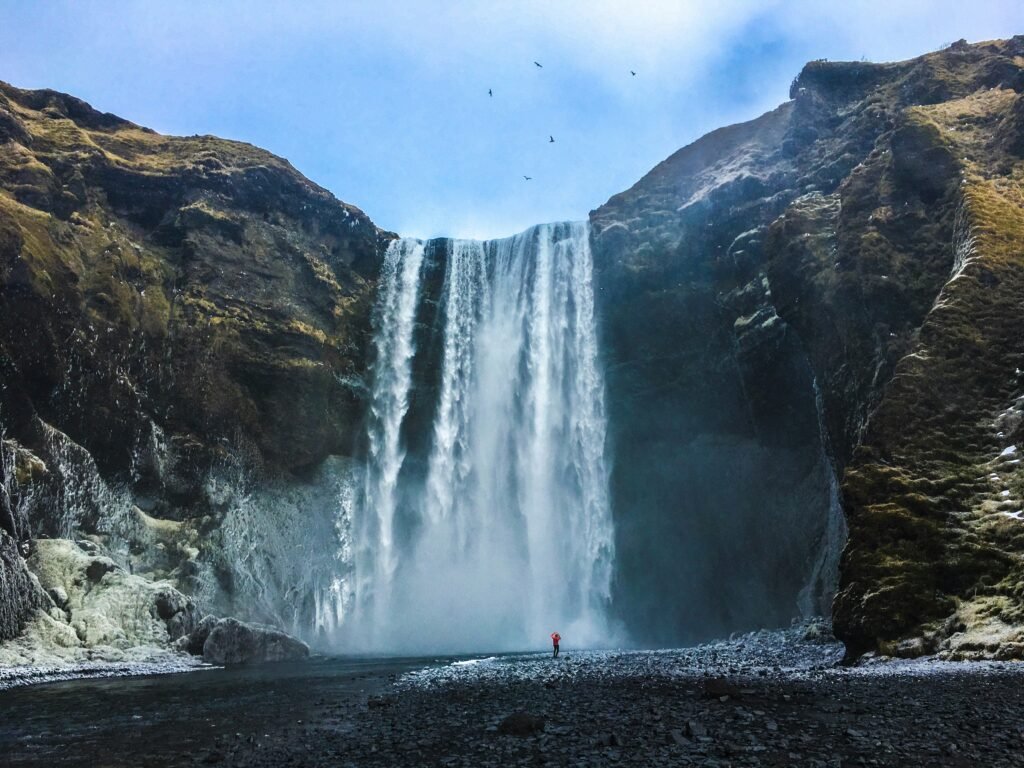
Skógafoss
A powerful waterfall famous for its mist, dramatic drop, and frequent rainbow displays.
Dettifoss
Widely recognized as one of Europe’s most powerful waterfalls, offering a raw demonstration of nature’s force.
Each waterfall showcases a different aspect of Iceland’s volcanic and glacial landscape.
Walk on a Glacier
Glacier hiking delivers one of Iceland’s most unforgettable outdoor adventures.
Popular glacier destinations include:
- Sólheimajökull Glacier
- Vatnajökull Glacier
- Skaftafell Glacier
Guided tours allow visitors to safely explore crevasses, ice formations, and frozen terrain that would otherwise remain inaccessible.
Discover Black Sand Beaches
Reynisfjara Beach is among Iceland’s most distinctive coastal attractions.
Its black volcanic sand, towering basalt columns, and powerful Atlantic waves create scenery that has become instantly recognizable to travelers and photographers around the world.
For many visitors researching what to do in Iceland, Reynisfjara becomes a highlight of the journey.
Best Cities and Cultural Attractions
Although nature often dominates travel plans, Iceland’s cities add cultural depth that complements the country’s outdoor experiences.
Explore Reykjavik
Many travelers spend several days discovering the best things to do in Reykjavik.
The capital combines Nordic design, contemporary art, vibrant nightlife, and a thriving culinary scene in a compact and walkable setting.
Travel writer Rick Steves has often noted that Reykjavik serves as an ideal gateway to Iceland because it balances modern urban culture with immediate access to some of the country’s most spectacular landscapes.
Visit Hallgrímskirkja
This striking church stands as Reykjavik’s most recognizable landmark.
Visitors can ride to the top of the tower for sweeping views of colorful rooftops, surrounding mountains, and the North Atlantic coastline.
Explore Harpa Concert Hall
Harpa’s distinctive glass architecture has become one of Iceland’s most celebrated modern buildings.
The venue hosts concerts, cultural events, conferences, and exhibitions throughout the year.
Walk Through Old Harbor
Reykjavik’s Old Harbor district offers restaurants, museums, whale-watching excursions, and scenic waterfront walks.
The area blends Iceland’s maritime heritage with a contemporary atmosphere that appeals to both locals and visitors.
Experience Icelandic Cuisine
The city’s dining scene has earned growing international recognition.
Popular culinary experiences include:
- Fresh seafood
- Icelandic lamb
- Arctic char
- Skyr
- Modern Nordic cuisine
Visitors exploring things to do in Reykjavik often discover that Iceland’s food culture becomes one of the trip’s most pleasant surprises.
Visit Akureyri
Often referred to as the capital of North Iceland, Akureyri offers mountain scenery, botanical gardens, cultural attractions, and easy access to nearby natural wonders.
Discover Ísafjörður
Located in the remote Westfjords region, Ísafjörður serves as a gateway to some of Iceland’s most dramatic fjords, wildlife experiences, and hiking opportunities.
Unique Experiences You Can Only Have in Iceland
Certain activities are so uniquely Icelandic that they deserve a place on nearly every itinerary.
Relax in a Geothermal Lagoon
No discussion about what to do in Iceland would be complete without geothermal bathing.
Blue Lagoon
The country’s most famous geothermal spa features mineral-rich waters surrounded by lava fields and volcanic scenery.
Sky Lagoon
A newer luxury destination offering ocean views and a wellness experience inspired by Icelandic bathing traditions.
Secret Lagoon
A quieter alternative that delivers a more traditional geothermal bathing experience.
Snorkel Between Continents
At Silfra Fissure, visitors can snorkel between the North American and Eurasian tectonic plates.
The crystal-clear glacial water offers some of the best underwater visibility found anywhere in the world.
Very few destinations provide an experience quite like it.
Explore Ice Caves
Winter visitors have the opportunity to enter naturally formed blue ice caves beneath Iceland’s glaciers.
Because these formations change annually, every season offers a slightly different experience.
For travelers searching for what to do in Iceland, ice cave tours consistently rank among the most memorable adventures available.
Whale Watching
Iceland is one of Europe’s premier whale-watching destinations.
Depending on the season, visitors may encounter:
- Humpback whales
- Minke whales
- Orcas
- Blue whales
- Dolphins
Tours depart from Reykjavik, Akureyri, and several coastal communities throughout the country.
Experience the Midnight Sun
Summer brings nearly continuous daylight to Iceland.
Between late May and early August, visitors can hike, explore, and photograph landscapes late into the evening under bright skies.
The phenomenon creates an atmosphere that few travelers ever forget.
Comparison Table: Best Iceland Activities by Season, Cost, and Experience Type
| Activity | Best Season | Cost Level | Experience Type |
|---|---|---|---|
| Golden Circle Tour | Year-round | Moderate | Sightseeing |
| Northern Lights Viewing | Sep-Apr | Low-Moderate | Nature |
| Blue Lagoon | Year-round | High | Relaxation |
| Glacier Hiking | Year-round | Moderate-High | Adventure |
| Ice Cave Tour | Winter | High | Adventure |
| Whale Watching | Spring-Summer | Moderate | Wildlife |
| Reykjavik Food Tour | Year-round | Moderate | Culture |
| Reynisfjara Beach | Year-round | Low | Photography |
| Midnight Sun Experience | Summer | Free | Natural Phenomenon |
| Silfra Snorkeling | Year-round | High | Adventure |
This comparison can help travelers prioritize activities based on budget, season, and travel preferences.
Who Should Visit Iceland
Iceland appeals to an unusually diverse range of travelers.
Nature Enthusiasts
Travelers fascinated by glaciers, volcanoes, waterfalls, and wildlife will find endless opportunities for exploration.
Adventure Seekers
From glacier trekking and ice cave tours to snorkeling between continents, Iceland delivers outdoor experiences found in very few places worldwide.
Photographers
The country’s landscapes offer exceptional opportunities for landscape, wildlife, and night-sky photography.
Luxury Travelers
Premium hotels, geothermal spas, private excursions, and world-class dining continue to expand Iceland’s luxury travel offerings.
Families
Educational attractions, family-friendly outdoor activities, and a strong safety record make Iceland an attractive destination for travelers with children.
Solo Travelers
Iceland’s accessibility, safety, and welcoming atmosphere make it one of the world’s best destinations for independent travel.
Whether you’re planning a short escape or an extended road trip, deciding what to do in Iceland ultimately comes down to matching your interests with the country’s remarkable range of experiences.
Frequently Asked Questions
1. What is the best time to visit Iceland?
Summer offers milder temperatures and the Midnight Sun, while winter provides opportunities to see the Northern Lights and explore ice caves.
2. How many days do I need in Iceland?
Five to seven days is ideal for Reykjavik, the Golden Circle, and the South Coast. Ten days or more allows travelers to complete a full Ring Road journey.
3. Is Iceland expensive?
Yes. Iceland is generally considered one of Europe’s more expensive destinations, although careful planning can help manage costs.
4. Can I see the Northern Lights in Reykjavik?
Yes, but viewing conditions are usually better outside the city where light pollution is minimal.
5. Is the Golden Circle tour worth it?
Absolutely. It combines several of Iceland’s most iconic attractions into a convenient and accessible route.
6. Do I need a rental car in Iceland?
A rental car offers maximum flexibility, especially beyond Reykjavik, although guided tours are available for most major attractions.
7. What should I pack for Iceland?
Layered clothing, waterproof outerwear, hiking boots, gloves, and weather-resistant gear are recommended throughout the year.
Conclusion
Deciding what to do in Iceland ultimately depends on your travel style, but few destinations deliver such a remarkable variety of experiences within a single country. From glacier adventures and geothermal lagoons to vibrant city culture and the Northern Lights, Iceland consistently rewards curiosity and exploration.
Whether you’re taking a Golden Circle tour, discovering things to do in Reykjavik, hiking across glaciers, or relaxing beneath the Arctic sky, every region offers something memorable. Use this Iceland travel guide as a foundation for planning, build an itinerary around your interests, and prepare to experience one of the world’s most extraordinary destinations.
Start planning your Iceland adventure today and discover why travelers from around the globe continue to return to this unforgettable island nation year after year.