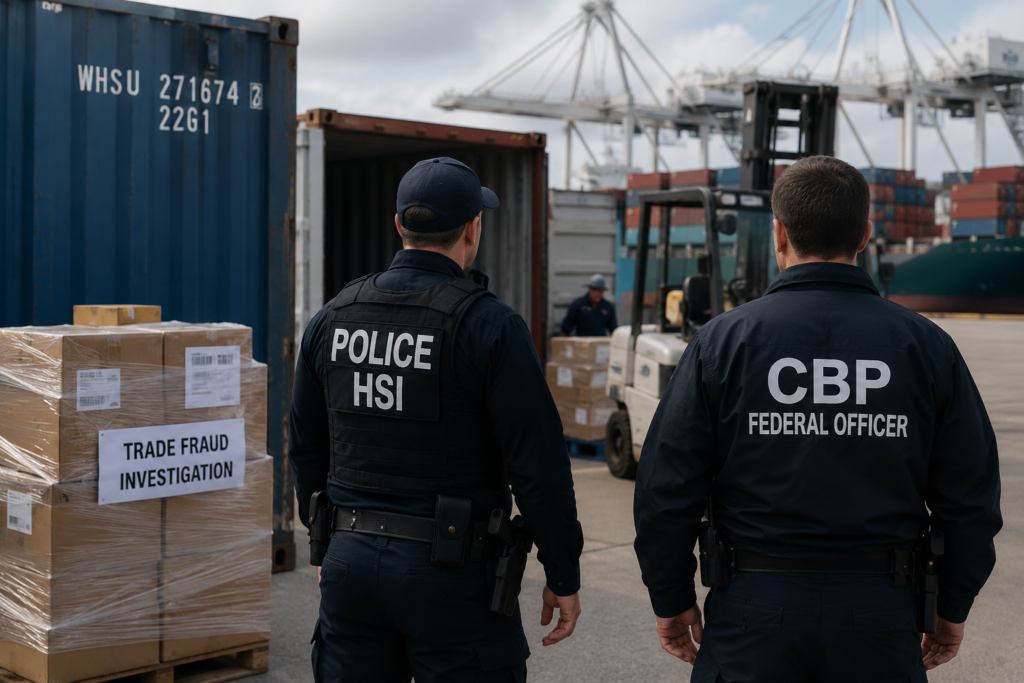
Less than a year after its launch, the Trump administration’s trade fraud task force says it has surpassed $1 billion in recoveries and alleged losses tied to trade enforcement cases. The milestone reflects the administration’s broader push to strengthen customs enforcement and combat tariff evasion as businesses adapt to evolving US trade policies.
Trade Enforcement Delivers Early Results
According to the task force, the reported total includes money recovered through criminal and civil actions, including penalties, settlements, restitution, asset forfeitures, and alleged losses tied to ongoing investigations. About $150 million of the figure relates to pending cases, while the remainder comes from completed enforcement actions.
The initiative is led jointly by the US Department of Justice and the Department of Homeland Security. It was established around the time President Donald Trump’s delayed “Liberation Day” tariffs took effect, introducing duties of up to 50% on imports from certain countries. Although the Supreme Court later ruled that the president did not have sufficient authority to impose those tariffs, federal agencies have continued prioritizing trade compliance investigations.
Authorities Target Tariff Evasion
Higher import duties have encouraged many businesses to explore legitimate ways to manage costs, such as using alternative tariff classifications where permitted or storing goods in customs-regulated warehouses that delay duty payments. At the same time, federal officials allege that some importers have crossed legal boundaries by misreporting shipment details to reduce tariff obligations.
A Goldman Sachs analysis cited in the administration’s announcement estimated that tariff evasion could eventually affect more than $200 billion in US imports and reduce tariff revenue by roughly $40 billion over the long term. The analysis identified practices such as undervaluing goods, misrepresenting countries of origin, and routing shipments through lower-tariff countries as potential methods of evasion.
Jewelry Import Investigation Marks Key Milestone
The case that pushed the task force beyond the $1 billion threshold involved an American jewelry importer accused of falsely declaring the origin of imported gold jewelry and routing shipments through another country subject to lower tariff rates. Prosecutors allege the imports were valued at more than $240 million, resulting in approximately $13.6 million in unpaid duties.
Commenting on the administration’s enforcement strategy, Assistant Attorney General Colin McDonald, who leads the task force, said the department’s focus remains on investigating and prosecuting businesses that misclassify goods or falsify their country of origin to avoid paying lawful duties. His remarks reinforce the administration’s message that customs fraud remains a high enforcement priority.
As GrowBusinessMag continues to follow developments in international trade, businesses engaged in importing goods may face closer scrutiny of customs declarations, tariff classifications, and supply chain documentation.
Outlook
With additional investigations already underway, trade enforcement is expected to remain a central focus for federal regulators. Companies involved in cross-border commerce may benefit from reviewing their customs compliance procedures and ensuring import documentation accurately reflects product values, classifications, and countries of origin as enforcement efforts continue to expand.