
The global oil market is confronting a paradox. One of the world’s most critical energy corridors has been severely disrupted for months, yet crude prices have not surged to the levels many traders feared. The Strait of Hormuz, a vital route for energy exports from the Persian Gulf, remains heavily affected by conflict, but the market has shown a surprising ability to absorb the shock.
A key reason may be the growing volume of untracked crude shipments moving through the region. These clandestine flows appear to be helping maintain supply at a time when traditional shipping routes face major restrictions, preventing a more dramatic imbalance between global oil demand and available barrels.
Hidden Oil Shipments Ease Supply Concerns
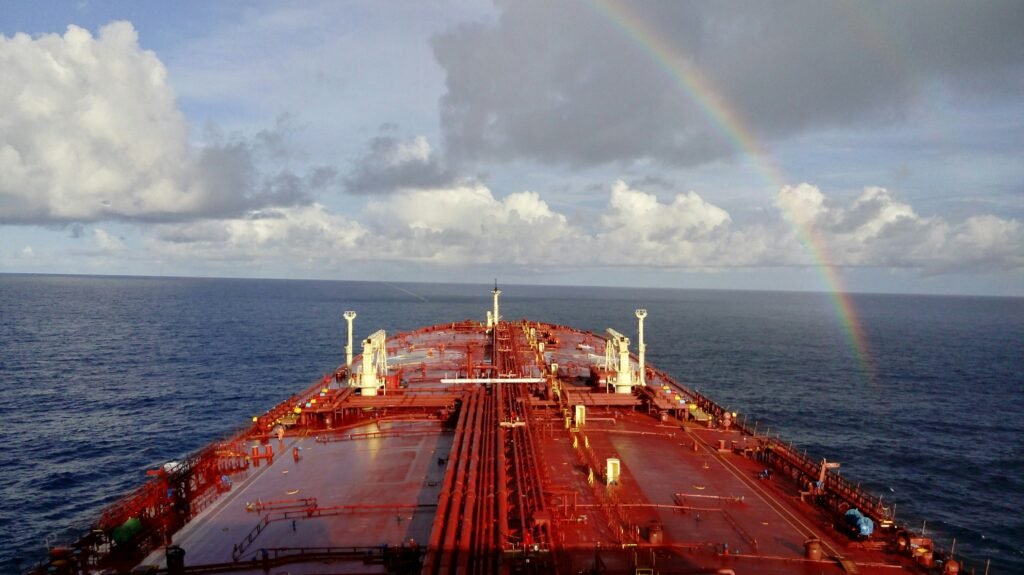
Before the conflict, roughly 15.6 million barrels of crude and petroleum products passed through the Strait of Hormuz each day. Visible tanker traffic has since fallen sharply, with JPMorgan estimating current activity at only about 15% of pre-war levels.
Yet oil continues to reach international buyers. JPMorgan estimates that hidden or difficult-to-track shipments averaged approximately 2.1 million barrels per day during the final weeks of May. Some vessels are believed to transit the waterway with tracking systems disabled, making their movements largely invisible to conventional monitoring networks.
For energy analysts, these shipments help explain why the market has avoided a more severe supply crisis. While clandestine volumes cannot fully replace lost exports, they have reduced pressure on inventories and given refiners access to additional barrels that might otherwise be unavailable.
Alternative Routes and Lower Demand Support Markets
The market’s resilience extends beyond hidden tanker movements. Analysts at Piper Sandler estimate that around 4.5 million barrels per day continue to leave the Persian Gulf through alternative export channels, including Saudi Arabia’s East-West Pipeline, which bypasses the Strait of Hormuz entirely.
Demand trends have also worked in the market’s favor. China’s crude imports have softened as the country relies more heavily on existing inventories. According to the International Energy Agency (IEA), global oil demand growth is expected to slow significantly in 2026 compared with previous years, easing pressure on supplies and helping prevent a sharper price spike.
From an energy strategist’s perspective, the combination of alternative transport routes, inventory drawdowns, and softer demand has created a cushion that few market participants expected at the start of the crisis.
Growing Concerns Over Future Supply Tightness
Despite the market’s adaptability, warning signs are becoming harder to ignore. Commercial oil inventories have fallen steadily since the conflict began, and strategic reserves in several major economies have also declined.
The longer disruptions continue, the greater the risk that temporary solutions lose effectiveness. Many analysts believe the market is becoming increasingly dependent on hidden shipments, emergency stockpiles, and rerouted exports to maintain balance.
As GrowBusinessMag notes, oil prices have remained remarkably contained given the scale of the disruption. However, if inventories continue to shrink and alternative supply channels face additional pressure, the market could become far more sensitive to new shocks. The coming months will reveal whether today’s workarounds can continue supporting global energy supplies or whether tighter conditions eventually push prices substantially higher.