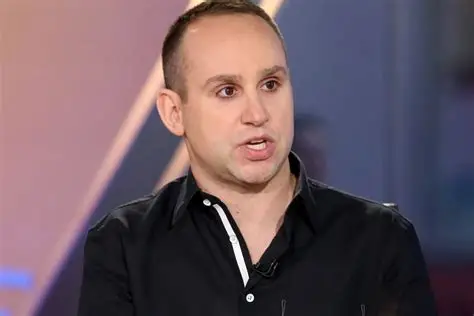
If you’ve followed the worlds of sports, e-commerce, or entrepreneurship, you’ve likely come across Michael Rubin’s name. Curiosity about Michael Rubin net worth continues to grow because his career reflects more than financial success. It tells the story of an entrepreneur who spotted market opportunities early, adapted to changing consumer behavior, and built one of the most influential sports commerce companies in the world.
Today, Rubin is best known as the founder and CEO of Fanatics, a company that has transformed how fans purchase licensed sports merchandise and collectibles. His journey from operating a small sporting goods business as a teenager to leading a multibillion-dollar enterprise offers valuable lessons in innovation, persistence, and long-term thinking. This article explores Michael Rubin net worth, the businesses behind his fortune, and the decisions that shaped his remarkable career.
Who Is Michael Rubin?
Michael Rubin is an American entrepreneur, investor, and business executive best known for founding Fanatics, the global leader in licensed sports merchandise and digital sports commerce. Born on July 21, 1972, in Lafayette Hill, Pennsylvania, Rubin displayed an entrepreneurial mindset long before entering the corporate world.
At just 12 years old, he launched a ski tuning business from his parents’ basement. As a teenager, he expanded into a sporting goods store, gaining firsthand experience in retail operations, inventory management, and customer service. While some early ventures faced financial challenges, those experiences became the foundation for the business strategies he would later use on a much larger scale.
His next major milestone came with GSI Commerce, an e-commerce company that helped established retailers build and manage online stores. After selling GSI Commerce to eBay in 2011, Rubin retained several sports-related assets that eventually became Fanatics, the company now responsible for the largest share of Michael Rubin net worth.
Beyond business, Rubin is recognized for his philanthropic work, relationships across professional sports, and his annual White Party, which brings together leaders from business, entertainment, sports, and charitable organizations.
Michael Rubin’s Net Worth Breakdown
Current estimates place Michael Rubin net worth at approximately $11 billion in 2026, although the exact figure fluctuates because much of his wealth is tied to privately held businesses rather than publicly traded stocks.
Unlike entrepreneurs whose fortunes depend largely on stock market performance, Rubin’s wealth is driven primarily by his ownership stake in Fanatics. As private company valuations change with funding rounds, acquisitions, and market conditions, estimates of his net worth naturally vary over time.
Estimated Sources of Wealth
| Asset or Income Source | Estimated Contribution |
|---|---|
| Fanatics ownership | Largest share of wealth |
| Venture investments | Significant |
| Previous business exits | Major contributor |
| Real estate | Moderate |
| Sports-related partnerships | Growing |
| Private equity holdings | Significant |
A substantial portion of Michael Rubin net worth remains invested in long-term business assets rather than liquid cash. That strategy allows his wealth to grow alongside the companies he continues to build and support.
Rubin has consistently favored long-term value creation over short-term financial gains, an approach shared by many of the world’s most successful entrepreneurs.
How Michael Rubin Built His Wealth
Early Entrepreneurial Journey
Long before becoming a billionaire, Rubin was learning how to build and scale businesses through hands-on experience.
His first retail venture, Mike’s Ski and Sport, grew from a small operation into multiple locations while he was still a teenager. Although rapid expansion eventually created financial pressure, the experience taught him practical lessons about cash flow, financing, and sustainable growth.
Instead of stepping away from business after those early setbacks, Rubin recognized the growing potential of online retail and shifted his focus toward e-commerce as consumer shopping habits evolved.
Building GSI Commerce
In 1998, Rubin founded GSI Commerce, a company that helped major retailers establish and manage their online sales operations.
His move into e-commerce came at a pivotal moment as businesses increasingly realized the importance of digital retail. GSI Commerce quickly became a trusted technology partner for leading brands by providing end-to-end e-commerce solutions, including website management, order fulfillment, and customer service.
The company’s success culminated in its acquisition by eBay in a multibillion-dollar transaction. Rather than making a complete exit, Rubin negotiated to retain several sports-commerce assets, a strategic decision that ultimately laid the foundation for Fanatics and significantly contributed to Michael Rubin net worth.
Fanatics Changed Everything
Fanatics reshaped licensed sports merchandise by bringing manufacturing, licensing, technology, logistics, and direct-to-consumer retail into one integrated business model.
Instead of relying solely on traditional wholesale distribution, Fanatics manages much of the product lifecycle itself. This allows the company to react quickly to championship wins, launch new merchandise in record time, personalize products, and improve inventory efficiency.
The company now partners with the NFL, NBA, MLB, NHL, NASCAR, Formula 1, FIFA, major colleges, and numerous international sports organizations.
Its global footprint is equally impressive. According to Fanatics, the company serves sports fans in more than 180 countries, underscoring the international scale that has helped drive the continued growth of Michael Rubin net worth. (Source: Fanatics corporate website.)
Key Business Ventures and Investments
Fanatics
Fanatics remains the company most closely associated with Rubin’s success and the primary driver of his wealth.
Originally focused on licensed sports apparel, the business has expanded into multiple high-growth segments, including:
- Sports collectibles
- Trading cards
- Digital collectibles
- Sports betting partnerships
- Live fan experiences
- Athlete commerce
- Global licensing
By expanding beyond merchandise into adjacent sports businesses, Fanatics has diversified its revenue streams and reduced reliance on any single market.
Venture Capital Investments
In addition to running Fanatics, Rubin has invested in startups across technology, consumer products, and digital commerce.
Many of these investments align with his long-standing interest in businesses that improve customer experiences through technology and innovation. This diversified portfolio provides another avenue for long-term wealth creation beyond his flagship company.
Sports Industry Partnerships
One of Rubin’s greatest competitive advantages has been his ability to build long-term partnerships with leagues, teams, athletes, and media organizations.
Rather than simply acting as a retailer, Fanatics has positioned itself as a strategic business partner within the sports ecosystem. These relationships have helped strengthen the company’s market position while creating barriers that are difficult for competitors to replicate.
Real Estate
Like many high-net-worth entrepreneurs, Rubin has invested in premium real estate.
These properties serve as both lifestyle assets and long-term investments, adding another layer of diversification to his overall portfolio.
Strategic Advisory Roles
Rubin is also an active investor and adviser to emerging companies.
His decades of experience building scalable businesses have made him a sought-after voice among founders, investors, and executives operating in technology, retail, and sports commerce.
Business Timeline
Teenage Years
- Launched a ski tuning business from his parents’ basement.
- Opened Mike’s Ski and Sport while still in high school.
- Learned the fundamentals of retail, customer service, and inventory management.
These early ventures gave Rubin practical business experience long before he entered the technology sector. Although rapid expansion created financial challenges, the lessons he learned would shape every business he built afterward.
1990s
- Founded GSI Commerce in 1998.
- Helped major retailers transition into e-commerce.
- Built one of the leading digital commerce platforms of its time.
As online shopping became mainstream, GSI Commerce positioned itself as a trusted technology partner for national retailers. The company’s rapid growth established Rubin as one of the pioneers of modern e-commerce.
2011
- Sold GSI Commerce to eBay.
- Retained key sports-commerce assets.
Instead of walking away after a successful exit, Rubin negotiated to keep several businesses that later evolved into Fanatics. That decision became one of the defining moments behind the growth of Michael Rubin net worth.
Fanatics Era
- Expanded global sports licensing.
- Entered the sports collectibles market.
- Launched trading card and memorabilia businesses.
- Expanded into sports betting partnerships.
- Continued attracting major investment rounds.
Each milestone strengthened Fanatics’ position within the global sports industry while steadily increasing the value of Rubin’s ownership stake. Rather than relying on one successful business, he continued expanding into complementary markets that reinforced the company’s long-term growth.
Comparison Table
| Category | Michael Rubin | Typical Retail Entrepreneur |
|---|---|---|
| Primary Industry | Sports commerce | Traditional retail |
| Largest Business | Fanatics | Regional retail chain |
| Main Revenue Model | Licensing, commerce, collectibles, partnerships | Product sales |
| Geographic Reach | Global | Primarily local or national |
| Primary Wealth Source | Ownership in private companies | Business profits |
| Growth Strategy | Technology, acquisitions, strategic partnerships | Organic expansion |
The comparison illustrates why Michael Rubin net worth has grown far beyond that of a traditional retailer. By combining technology, licensing, logistics, and direct-to-consumer commerce under one business, Rubin created a scalable model capable of serving millions of sports fans worldwide.
Leadership Style That Fuels Success
Michael Rubin has built a reputation for making decisions quickly while remaining focused on long-term opportunities.
Industry observers note that one of Fanatics’ competitive advantages has been its ability to combine technology, manufacturing, licensing, and distribution into a single operating model, allowing the company to respond faster than many traditional competitors.
Several leadership principles stand out throughout Rubin’s career.
Customer Focus
Customer experience sits at the center of Fanatics’ strategy.
Whether launching championship merchandise within hours or expanding product personalization, the company continually invests in making it easier for fans to find officially licensed products.
Calculated Risk-Taking
Rubin has consistently entered industries that were still evolving.
Examples include:
- Early e-commerce
- Licensed sports commerce
- Sports collectibles
- Digital fan engagement
Rather than chasing every trend, he has focused on markets where technology could improve the customer experience.
Building Long-Term Partnerships
Instead of viewing leagues and teams solely as customers, Rubin developed long-term business partnerships with many of the world’s largest sports organizations.
Those relationships have become one of Fanatics’ strongest competitive advantages and continue to support the growth of Michael Rubin net worth.
Investing in Technology
Technology remains central to Fanatics’ operations.
From demand forecasting and inventory management to manufacturing and order fulfillment, digital systems help the company respond quickly during major sporting events while maintaining efficient operations throughout the year.
Philanthropy and Public Image
Although discussions often focus on Michael Rubin net worth, his charitable work has become an important part of his public profile.
Rubin has supported criminal justice reform through organizations working to improve fairness within the legal system. He has also contributed to initiatives involving education, disaster relief, healthcare, youth development, and community programs.
His annual White Party has become one of the most recognizable networking and fundraising events in the United States, bringing together athletes, entertainers, executives, and philanthropists to support charitable causes.
These efforts have helped establish Rubin as a business leader whose influence extends beyond entrepreneurship.
Lessons Entrepreneurs Can Learn
Rubin’s career offers practical insights for entrepreneurs at every stage of business.
Start Before Everything Feels Perfect
Rubin began experimenting with business while still a teenager.
Starting early allowed him to gain valuable experience that no classroom could provide.
Learn From Setbacks
Some of Rubin’s earliest businesses faced financial difficulties.
Rather than allowing those challenges to define his career, he used them to improve his understanding of growth, financing, and operations.
Recognize Industry Shifts
His move into e-commerce came well before online shopping became standard across retail.
Identifying changing consumer behavior early helped position his companies for sustained growth.
Build Businesses That Scale
Instead of relying on physical retail stores alone, Rubin invested in systems capable of serving customers around the world.
That scalable approach has been a major contributor to Michael Rubin net worth.
Think Beyond Short-Term Profits
Throughout his career, Rubin has focused on creating businesses with lasting value.
Reinvesting in technology, partnerships, and expansion allowed his companies to grow far beyond their original markets.
Future Outlook
Fanatics continues expanding into new areas of sports commerce, creating opportunities for future growth.
Key areas include:
- International expansion
- Sports betting partnerships
- Trading cards and collectibles
- AI-powered personalization
- Digital fan experiences
- Additional licensing agreements
Because much of Michael Rubin net worth is tied to his ownership stake in Fanatics, future valuations will play a significant role in determining the size of his fortune.
As consumer demand for licensed merchandise and digital sports experiences continues evolving, Fanatics appears well positioned to remain a major player in the global sports business.
Frequently Asked Questions
Is Michael Rubin a billionaire?
Yes. Michael Rubin is widely recognized as a billionaire entrepreneur, with most estimates placing his wealth at approximately $11 billion, primarily through his ownership stake in Fanatics.
What is Michael Rubin net worth in 2026?
Current estimates place Michael Rubin net worth at around $11 billion, although the exact figure varies because Fanatics is a privately held company.
How did Michael Rubin become wealthy?
Rubin built his fortune through entrepreneurship. His success began with sporting goods retail, accelerated through GSI Commerce, and expanded significantly after founding Fanatics.
Does Michael Rubin still own Fanatics?
Yes. Michael Rubin remains the company’s CEO and one of its largest shareholders, making Fanatics the primary source of his wealth.
What businesses has Michael Rubin invested in?
In addition to Fanatics, Rubin has invested in technology startups, consumer brands, sports-related ventures, private equity opportunities, and real estate.
Conclusion
The story behind Michael Rubin net worth reflects decades of disciplined entrepreneurship, strategic decision-making, and a willingness to embrace change before it became obvious to the broader market. From operating a small sporting goods business as a teenager to leading one of the world’s most valuable sports commerce companies, Rubin has consistently built businesses designed for long-term growth rather than short-term success.
His journey demonstrates that lasting wealth is often created through innovation, strong partnerships, and the ability to adapt as industries evolve. As Fanatics continues expanding into new markets and technologies, Michael Rubin’s influence on sports commerce and digital retail is likely to grow alongside his business empire.
Want to learn how today’s most successful entrepreneurs built their fortunes? Explore our latest billionaire net worth profiles, business success stories, and investment insights to discover the strategies behind the world’s most influential founders.