
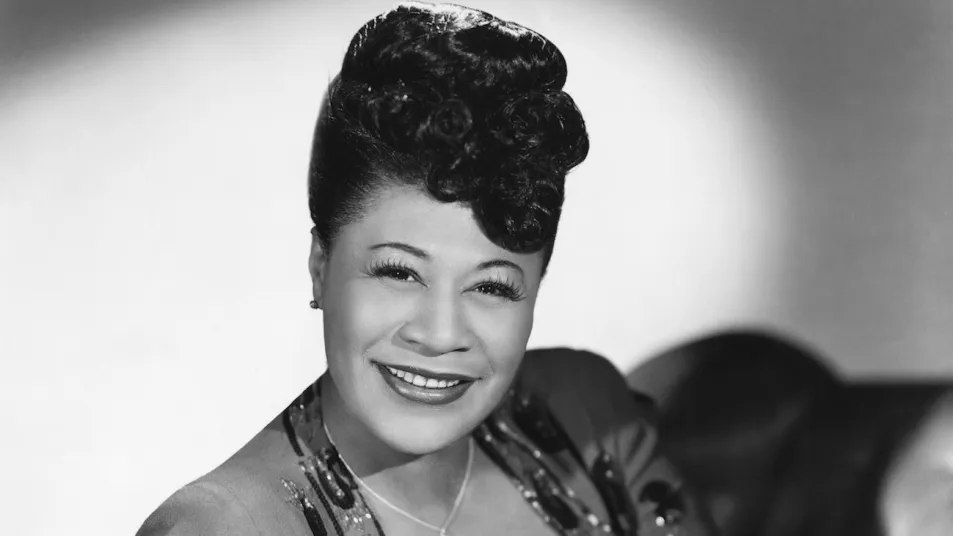
Long before the spotlight found Ella Fitzgerald and transformed her into one of the most celebrated voices in music history, there was another story unfolding quietly in the background. It was a story shaped by hardship, migration, resilience, and sacrifice. At the center of it stood Temperance Fitzgerald, a woman whose life remains largely hidden beneath the immense cultural legacy of her daughter. While history often remembers the stars, it rarely pauses long enough to examine the people who carried them through uncertainty before fame ever arrived.
Temperance Fitzgerald’s journey was not one of glamour or public acclaim. Instead, it reflected the difficult realities faced by many Black women in early twentieth-century America. She navigated poverty, unstable relationships, social limitations, and the immense responsibility of motherhood during a time when opportunities were painfully scarce. Yet through perseverance and determination, she helped lay the emotional and practical foundation that would eventually support one of the greatest jazz singers the world has ever known.
Her life deserves attention not merely because she was Ella Fitzgerald’s mother, but because her experiences reveal a larger story about family survival, ambition, and generational strength. Behind every legendary figure stands someone whose sacrifices shaped the path forward, and Temperance Fitzgerald was undeniably one of those people. In many ways, stories like hers offer a more honest portrait of the era than celebrity biographies ever could.
Birth and Family Origins
Temperance Fitzgerald was born during an era of profound social change in the United States, a time marked by racial inequality, economic instability, and the lingering effects of post-Reconstruction America. Though historical records about her early life remain limited, it is widely understood that she came from a working-class African American background rooted in the American South. Like countless Black families during the early twentieth century, her upbringing was likely influenced by migration patterns, labor struggles, and the search for better opportunities beyond the segregated South.
The Great Migration reshaped the lives of many African American families during this period. According to the U.S. National Archives, more than six million African Americans relocated from the South between 1910 and 1970 in search of economic opportunity and safer living conditions. That movement transformed cities, industries, and American culture itself. Temperance Fitzgerald became part of this broader historical shift, eventually settling in areas where industrial jobs and domestic work offered at least some possibility of stability. These transitions were often emotionally difficult, forcing families to leave behind familiar communities while adapting to crowded city life and uncertain economic conditions.
Family structures within Black communities during this era frequently depended on resilience and mutual support. Women often carried extraordinary responsibility inside and outside the home. Temperance Fitzgerald represented that generation of mothers who balanced caregiving with labor-intensive work while confronting systemic barriers that restricted social mobility. Her environment demanded endurance, and that endurance would later influence the atmosphere in which Ella Fitzgerald spent her formative years.
Despite limited documentation about her parents and siblings, the available historical context paints a picture of a woman shaped by determination. Her early life likely taught her how to survive instability, manage hardship, and maintain dignity under pressure. Those qualities became defining elements of her role as a mother.
Family Dynamics
The family dynamics surrounding Temperance Fitzgerald’s life were complex and, at times, emotionally turbulent. Her relationship with Ella Fitzgerald’s biological father, William Fitzgerald, did not develop into a lasting partnership. The separation created an unstable domestic environment that reflected broader social challenges faced by unmarried Black mothers during the era. Economic hardship and limited institutional support made parenting especially difficult for women raising children largely on their own.
After her separation from William Fitzgerald, Temperance eventually entered a relationship with Joseph Da Silva, a Portuguese immigrant who became a father figure in young Ella’s life. This blended household introduced new cultural and interpersonal dynamics into the family structure. While some accounts suggest that Da Silva provided a degree of support and stability, the household itself remained far from easy. Financial pressures continued to shape everyday life, and tensions within the family occasionally surfaced.
For Ella Fitzgerald, childhood involved both affection and instability. Temperance reportedly encouraged discipline and wanted her daughter to pursue education and meaningful work. Like many mothers of the period, she hoped her child would avoid the economic insecurity that had defined so much of her own experience. At the same time, the realities of urban poverty often disrupted those aspirations.
The emotional bond between Temperance and Ella appears to have been significant despite the difficulties they endured. Ella later reflected on aspects of her childhood with both warmth and sadness, suggesting that her mother played a formative role in shaping her personality and emotional resilience. Temperance’s influence could be seen in Ella’s determination, professionalism, and quiet strength throughout her later career.
Tragedy struck the family when Temperance Fitzgerald died unexpectedly in the early 1930s. Her death devastated Ella, who was still a teenager at the time. The loss destabilized the family structure entirely and pushed Ella into an uncertain period marked by hardship, temporary homelessness, and encounters with institutional care systems. Many biographers identify this moment as one of the most painful turning points in Ella Fitzgerald’s early life.
Without her mother’s presence, Ella faced enormous emotional challenges. Yet the values Temperance instilled before her passing continued to echo through her daughter’s life. In many ways, the discipline and resilience Ella later displayed on stage had roots in the lessons learned at home.
Education and Career Path
Very little formal documentation exists regarding Temperance Fitzgerald’s education, which itself reflects the historical inequalities affecting African American women during the early twentieth century. Educational opportunities were often restricted by segregation, financial hardship, and social discrimination. Many Black women left school early to support their families through domestic labor, factory work, or service employment. Temperance Fitzgerald likely encountered many of these same obstacles.
Despite these barriers, she appears to have valued education deeply, particularly for her daughter. Historical accounts suggest that Temperance wanted Ella Fitzgerald to remain focused on school and avoid distractions that could jeopardize her future. This emphasis on discipline was common among parents who understood how limited opportunities could become without formal education.
Professionally, Temperance Fitzgerald worked within the kinds of labor sectors that were accessible to many working-class Black women of her generation. Domestic service, laundry work, caregiving, and other physically demanding occupations often represented the primary employment options available. These jobs required long hours and offered minimal financial security, yet they formed the economic backbone of countless households.
Balancing work and motherhood demanded constant sacrifice. Women like Temperance frequently managed household responsibilities while contributing financially to family survival. Their labor often went unnoticed publicly, but it sustained communities and created opportunities for future generations. Temperance’s efforts helped provide a foundation, however fragile, for Ella Fitzgerald’s upbringing.
There is also evidence that music and performance existed within the cultural environment surrounding the family. During this era, jazz, blues, gospel, and swing music flourished within African American communities. Churches, neighborhood gatherings, and local theaters exposed children to rich musical traditions from an early age. Although Temperance Fitzgerald was not a public performer herself, the cultural atmosphere she helped create likely influenced Ella’s eventual passion for music.
Her role in Ella’s artistic development may not have involved formal training, but emotional encouragement and exposure to community culture mattered enormously. Before audiences around the world heard Ella Fitzgerald’s voice, her earliest experiences with rhythm, storytelling, and expression emerged from the world shaped by her mother.
Life and Achievements
Temperance Fitzgerald’s achievements were not measured through fame, wealth, or public recognition. Instead, her accomplishments existed within the quieter realities of survival and perseverance. Raising a child under difficult social and economic conditions while navigating racial inequality was itself an extraordinary challenge during her lifetime.
One of her greatest achievements was creating an environment that nurtured resilience in Ella Fitzgerald. Even amid instability, she encouraged discipline and ambition. Those values later became hallmarks of Ella’s legendary career. Known for her professionalism, humility, and relentless work ethic, Ella Fitzgerald carried traits that reflected the influence of her upbringing.
Temperance also represented a broader generation of African American women whose contributions often disappeared from mainstream historical narratives. These women built communities, supported families, and carried emotional burdens while facing institutional discrimination. Their stories rarely appeared in newspapers or history books, yet they played essential roles in shaping American culture through the generations they raised.
The timing of Temperance Fitzgerald’s death profoundly affected Ella’s life trajectory. After losing her mother, Ella struggled emotionally and financially before eventually finding opportunity through amateur performance competitions and local music venues. Many historians believe that the hardship Ella endured after her mother’s passing intensified both her vulnerability and determination.
Ironically, Temperance never witnessed the extraordinary success her daughter would achieve. Ella Fitzgerald eventually became known worldwide as the “First Lady of Song,” earning multiple Grammy Awards and collaborating with major figures including Louis Armstrong and Duke Ellington. Yet behind that iconic career stood the memory of a mother whose sacrifices shaped the earliest chapter of the journey.
Temperance Fitzgerald’s legacy exists not through celebrity but through influence. Her story survives in the life of her daughter and in the broader historical experiences shared by many women of her era.
| Key Aspect | Details |
|---|---|
| Full Name | Temperance Fitzgerald |
| Known For | Mother of Ella Fitzgerald |
| Historical Era | Early 20th-century America |
| Social Background | Working-class African American family |
| Partner Relationships | William Fitzgerald, later Joseph Da Silva |
| Major Legacy | Influencing the upbringing of Ella Fitzgerald |
| Challenges Faced | Poverty, racial inequality, single motherhood |
| Cultural Importance | Part of the foundation behind a major jazz legacy |
Personal Life
Temperance Fitzgerald’s personal life reflected both emotional complexity and social hardship. Relationships during this era were often deeply affected by economic instability, migration, and racial barriers. Her separation from William Fitzgerald demonstrated the fragility many families experienced under financial strain and limited social support systems.
Her later partnership with Joseph Da Silva added another layer to her personal journey. Mixed cultural households were less common during the period and could present unique social dynamics. Maintaining family unity while navigating economic survival required constant adaptation. Temperance balanced these realities while continuing to prioritize motherhood.
Friends and relatives reportedly viewed her as disciplined and determined. She appeared committed to maintaining structure within the household despite difficult circumstances. Mothers during this period frequently carried the responsibility of emotional stability within the family, even when facing overwhelming pressures themselves.
Life in urban communities during the 1920s and 1930s exposed families to rapidly changing social conditions. Cities offered opportunity but also brought overcrowding, crime, and economic unpredictability. Temperance Fitzgerald raised Ella during this transformative period, attempting to protect her daughter while preparing her for adulthood.
Her sudden death became one of the defining tragedies in Ella Fitzgerald’s life. The emotional aftermath profoundly shaped Ella’s adolescence and future worldview. Biographers have often noted that Ella remained private about certain personal struggles throughout her career, possibly influenced by the instability and loss she experienced early in life.
Although Temperance Fitzgerald never entered the public eye, her personal story continues to resonate because it reflects universal themes of sacrifice, resilience, and maternal influence. She represented countless women whose lives unfolded away from fame but whose impact changed history indirectly through the people they nurtured.
| Influence Area | Lasting Impact on Ella Fitzgerald |
|---|---|
| Discipline | Helped shape Ella’s professionalism |
| Emotional Strength | Encouraged resilience during hardship |
| Cultural Environment | Exposed Ella to music-rich communities |
| Family Responsibility | Instilled maturity at a young age |
| Work Ethic | Reflected later in Ella’s demanding career |
Conclusion
Temperance Fitzgerald may never have become a household name, but her influence echoes through one of the most extraordinary musical legacies in American history. Behind the brilliance of Ella Fitzgerald stood a mother who endured hardship with determination and carried the burdens of family survival during a difficult era for Black women in America.
Her life was shaped by struggle, migration, economic uncertainty, and personal sacrifice. Yet within those challenges, she created a foundation that helped nurture resilience, discipline, and ambition in her daughter. Although she passed away before witnessing Ella Fitzgerald’s rise to global fame, the lessons she instilled remained deeply woven into Ella’s character and career.
Temperance Fitzgerald’s story reminds readers that history is often carried forward not only by famous figures but also by the quiet individuals whose sacrifices make greatness possible. Her legacy lives on not through headlines or awards, but through the enduring voice of a daughter who transformed pain into timeless music.