
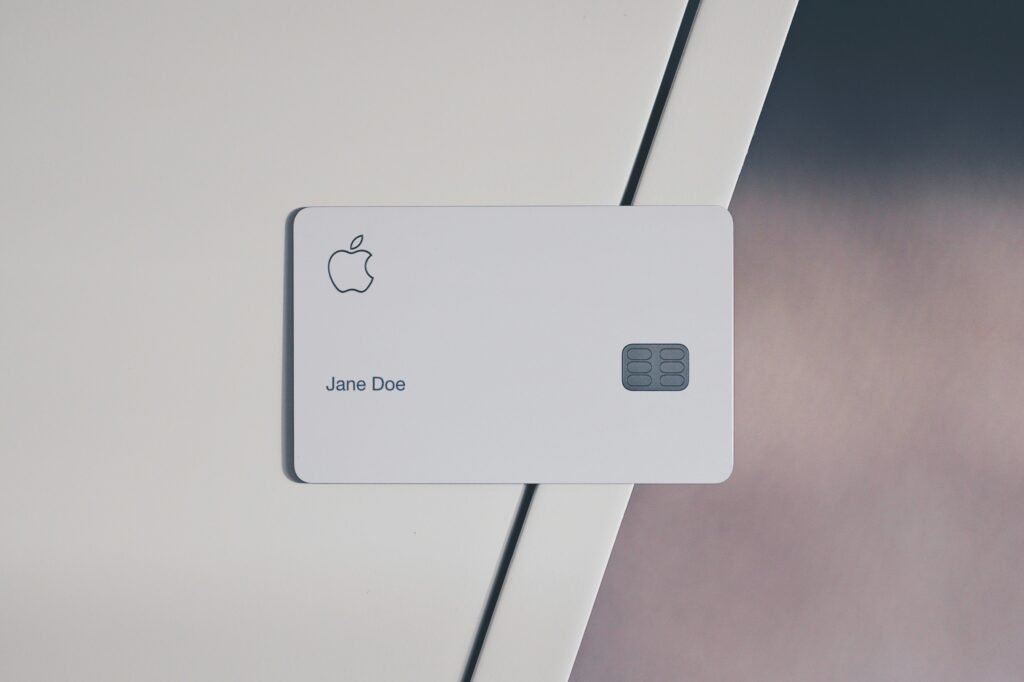
The Apple Card entered the credit card market with a different kind of promise. It did not lead with airport lounges, complicated points charts, or a glossy welcome bonus. It led with simplicity. It lived inside the iPhone, showed spending clearly, paid cash back daily, and stripped away many of the fees people associate with traditional cards. In 2026, that clean design still matters, but the market around it has changed. Flat-rate cash back cards are stronger, travel rewards cards are richer, and digital wallets are now part of everyday spending. That makes the question more important than ever: is apple card worth it for the way people actually shop, pay, travel, and manage money today?
For many iPhone users, the answer is yes, but not without conditions. Apple Card still makes the most sense for people who use Apple Pay frequently, buy Apple products, prefer cash back over points, and value an intuitive mobile-first account experience. Apple currently lists 3% Daily Cash on Apple purchases and select partner merchants, 2% Daily Cash when using Apple Pay, and 1% Daily Cash when using the physical titanium card. Apple also says the card has no annual fee, no over-limit fee, and no hidden fees.
The 2026 backdrop is also important. Apple and Chase announced that Chase will become the new issuer of Apple Card, with the transition expected to take about 24 months. Reuters reported that JPMorgan Chase is taking over more than $20 billion in Apple Card balances, a meaningful statistic that shows how large the product has become since launch. From a credit card expert’s perspective, Apple Card is best viewed as a polished daily-use card for Apple Pay households, not as a one-card solution for people chasing maximum rewards in every category.
Table of Contents
ToggleEvaluate Apple Card’s Core Value Before Applying
The first step in deciding is apple card worth it is understanding what the card is designed to do well. Apple Card is built around speed, clarity, and low-friction rewards. Instead of waiting for a statement credit weeks later or tracking rotating quarterly categories, cardholders earn Daily Cash that appears quickly and can be used through Apple Cash, applied toward purchases, or directed into Apple’s Savings account when eligible.
That structure works especially well for people already living inside the Apple ecosystem. If you regularly buy iPhones, Macs, iPads, Apple Watch models, AirPods, accessories, iCloud storage, Apple Music, Apple TV+, App Store purchases, or AppleCare, the 3% Apple category can carry real value. Apple also lists select 3% Daily Cash merchants when Apple Card is used with Apple Pay, including brands such as Nike, Uber, Walgreens, Exxon Mobil, Hertz, Booking.com, and others.
The card becomes less impressive for people who want luxury travel perks, premium insurance benefits, large welcome bonuses, or category rewards for groceries, dining, gas, and travel. Apple Card is not trying to be a premium travel card or a points-optimization machine. It is a clean cash back card built for Apple Pay spending, Apple purchases, and easy account management from Wallet.
Compare Apple Card With Other Cash Back Cards
A useful answer to is apple card worth it requires comparison. Apple Card looks attractive when purchases are made through Apple Pay, but it loses some ground against simple 2% cash back cards that earn the same rate almost everywhere, regardless of how the card is used.
| Card Type | Typical Reward Structure | Best For | Main Advantage | Main Limitation |
|---|---|---|---|---|
| Apple Card | 3% at Apple and select partners, 2% with Apple Pay, 1% physical card | iPhone users and Apple Pay shoppers | Daily Cash, Wallet integration, no annual fee | Physical card earns only 1% |
| Flat 2% Cash Back Card | 2% on most purchases | Simple everyday spending | Consistent rewards at most merchants | Less Apple-specific value |
| Rotating Category Card | Often higher rewards in quarterly categories | Rewards optimizers | Strong return in selected categories | Requires activation and tracking |
| Travel Rewards Card | Points or miles, travel perks, credits | Frequent travelers | Potentially higher redemption value | Often has annual fees and added complexity |
| Store Financing Card | Retail-specific discounts or financing | Brand-loyal shoppers | Promotional financing | Limited use outside one retailer |
The comparison makes Apple Card’s position clear. It wins on simplicity, Apple integration, Daily Cash, and fee transparency. It falls behind when purchases happen outside Apple Pay or when the cardholder wants broader rewards in everyday categories such as supermarkets, restaurants, fuel, flights, hotels, or streaming services.
Apple Card works better as a lifestyle card than as a pure rewards maximizer. For someone who pays with an iPhone almost everywhere, it can feel effortless and rewarding. For someone who often hands over a physical card, the 1% return becomes a weak point quickly.
Use Apple Pay to Unlock the Best Rewards
The Apple Card rewards system strongly favors Apple Pay. When cardholders pay with an iPhone or Apple Watch, eligible purchases generally earn 2% Daily Cash. When they use the physical titanium card, those same purchases usually earn 1%. That difference seems small during one transaction, but it becomes meaningful over a year.
A person who spends $2,000 per month through Apple Pay can earn about $480 per year at 2%. The same $2,000 per month on the physical card earns about $240 per year at 1%. The card itself does not create maximum value automatically. The value depends on how often the user pays digitally.
This is one of the most practical ways to answer is apple card worth it. If most of your everyday spending can move through Apple Pay, Apple Card can be competitive. If your merchants often require a physical card, a flat 2% cash back card may deliver better rewards with less effort.
Check Your Local Apple Pay Acceptance
Apple Pay acceptance is common in many cities, especially at grocery stores, pharmacies, restaurants, gas stations, transit systems, ride-share apps, convenience stores, and online retailers. Still, it is not universal. Some local businesses, medical offices, landlords, service providers, utilities, and older payment terminals may not support it.
Before applying, review your last 30 days of purchases. Mark which ones could have been paid with Apple Pay and which ones required a physical card, bank transfer, or another payment method. If most transactions qualify for Apple Pay, Apple Card becomes more compelling. If only a small share qualifies, the rewards math weakens.
Consider the Apple Ecosystem Advantage
Apple Card’s biggest strength beyond cash back is how naturally it fits into the Apple ecosystem. Cardholders can manage spending, payments, installments, rewards, transaction searches, and category summaries directly inside Wallet. Apple highlights features such as spending summaries, merchant location details, color-coded categories, transaction search, and itemized receipts for Apple services.
This matters because many bank apps still feel crowded and transactional. Apple Card feels more visual and immediate. Purchases appear quickly, categories are easier to understand, and payments are presented in a way that helps users see interest impact before making a decision.
The ecosystem advantage becomes stronger for households using Apple Card Family, Apple Cash, Apple Savings, Apple services, and Apple product financing. A family can share spending more easily, while an individual can turn Daily Cash into a small automatic savings habit. That does not make Apple Card the highest-return card in every category, but it does make it one of the smoother cards to live with day to day.
Review Apple Card Savings Before Counting It as a Major Perk
Apple Card Savings can make Daily Cash feel more useful. Eligible users can send future Daily Cash into Savings and may add funds from a linked bank account or Apple Cash. Apple says the Savings account has no fees and no minimum balance requirements.
The feature is convenient, but it should not be the only reason to apply. Savings rates change, and outside banks may offer higher yields at different points in the rate cycle. Apple’s Savings feature is valuable because it connects rewards, cash flow, and savings behavior inside one familiar interface. It is not guaranteed to beat every high-yield savings account.
The smarter view is to treat Savings as a companion benefit. It can help cardholders avoid spending their rewards immediately and instead let Daily Cash accumulate. For disciplined users, that small behavioral nudge may matter more than the headline rate. For rate shoppers, the account should be compared with other FDIC-insured savings options before moving a large balance.
Calculate the Real Cost of Carrying a Balance
A major part of deciding is apple card worth it is understanding interest. Apple Card may look friendlier than many credit cards because of its interface and no-fee positioning, but it is still a credit card. If a balance carries month to month, interest can outweigh cash back quickly.
Apple lists variable APRs for Apple Card based on creditworthiness. That means the cost of carrying debt can be far higher than the value of earning 2% or 3% Daily Cash. A cardholder who pays interest regularly is not really earning rewards. They are offsetting a much larger borrowing cost with a much smaller rebate.
For anyone who expects to carry a balance, a low-interest credit card, a 0% introductory APR card, or a structured debt payoff plan may be more appropriate. Apple Card is strongest for users who pay the full statement balance on time every month. The clean design helps with visibility, but responsible payment behavior creates the real value.
Use Monthly Installments Carefully
Apple Card Monthly Installments can be useful for buying Apple products over time, particularly when promotional financing is available. The appeal is clear: the installment plan appears in Wallet, the payment schedule is easy to follow, and the purchase can fit into a monthly budget more neatly than a large one-time charge.
Still, installments deserve discipline. A new iPhone, MacBook, iPad, or Apple Watch may feel affordable when split into smaller payments, but those payments reduce future flexibility. Before using installments, compare the monthly cost with income, emergency savings, rent, utilities, insurance, student loans, and other debt obligations.
Weigh the No-Fee Structure Against Missing Perks
Apple Card’s no-fee structure remains one of its best features. Apple says the card has no annual fee, no over-limit fee, and no hidden fees. That simplicity appeals to people who do not want to calculate whether credits, benefits, and annual fees cancel each other out.
The tradeoff is that Apple Card does not offer the deepest perk package. Premium travel cards may include lounge access, hotel credits, airline credits, elite status benefits, stronger rental car protection, travel insurance, and large welcome bonuses. Some no-annual-fee cash back cards may also beat Apple Card in specific categories such as groceries, dining, gas, or online shopping.
This is where is apple card worth it becomes a personal question rather than a universal verdict. A frequent traveler may find Apple Card too light as a primary card. An iPhone user who wants low-maintenance cash back with no annual fee may find it refreshingly easy to keep.
Factor in the 2026 Issuer Transition
The issuer transition is one of the biggest Apple Card developments in 2026. Apple and Chase announced that Chase will become the new issuer of Apple Card, with an expected transition of about 24 months. Reuters reported that JPMorgan Chase is replacing Goldman Sachs and taking over more than $20 billion in card balances, while Mastercard remains the payment network.
For current users, the transition does not mean the card suddenly changes overnight. Apple said current Apple Card users do not need to take any action at this time, and Apple Card can continue to be used as usual during the transition. Still, issuer changes can eventually influence servicing, underwriting, credit line decisions, customer support, dispute handling, and future product development.
The move could become positive if Chase brings broader credit card infrastructure and deeper servicing experience. It could also create uncertainty for people who prefer card products with stable long-term terms. Applicants in 2026 should judge Apple Card by its current benefits while recognizing that the product may evolve under Chase.
Decide Who Should Get Apple Card in 2026
Apple Card makes the most sense for people who already use Apple Pay often, buy Apple products or services, prefer cash back, dislike annual fees, and value a polished mobile experience. It is especially attractive for iPhone users who want rewards without spreadsheets, category calendars, point transfers, or complicated redemption rules.
The card is less ideal for people who want maximum value in every spending category. If most purchases happen at merchants that do not accept Apple Pay, the physical card’s 1% return is not strong enough to compete with leading cash back cards. If spending is concentrated in travel, restaurants, supermarkets, or gas, another card may produce a better return.
A practical answer to is apple card worth it looks like this: yes for Apple-centered, Apple Pay-heavy users who pay in full; maybe for casual Apple users; probably not as a primary card for rewards maximizers, frequent travelers, or anyone who regularly carries balances.
Build the Best Apple Card Strategy
The best Apple Card strategy is focused. Use it for Apple purchases, 3% partner merchants, Apple Pay transactions, and Apple services. Avoid using the physical card unless convenience matters more than rewards. Pay the full statement balance every month. Send Daily Cash to Savings if the account supports your financial goals and the rate remains competitive.
Pairing Apple Card with another card can also improve results. A flat 2% cash back card can cover merchants that do not accept Apple Pay. A travel rewards card can handle flights, hotels, and dining if points provide better value. A grocery or gas card can outperform Apple Card in categories where Apple Pay acceptance or category rewards are less favorable.
This setup gives Apple Card a clear role instead of forcing it to carry the entire wallet. Used for its strengths, the card is elegant and practical. Expected to beat every card in every category, it becomes less persuasive.
FAQs About Apple Card in 2026
Is Apple Card worth it in 2026?
Yes, Apple Card can be worth it in 2026 for iPhone users who frequently use Apple Pay, buy Apple products, prefer simple cash back, and pay their balance in full. It is less attractive for people who want premium travel perks or higher rewards across all categories.
Does Apple Card have an annual fee?
Apple says Apple Card has no annual fee, no over-limit fee, and no hidden fees. That no-fee structure is one of the card’s strongest advantages for users who want a low-maintenance cash back card.
How much cash back does Apple Card offer?
Apple Card offers 3% Daily Cash on Apple purchases and select partner merchants, 2% Daily Cash when using Apple Pay, and 1% Daily Cash when using the physical card. The best rewards come from using Apple Pay rather than relying on the titanium card.
Is Apple Card good for travel?
Apple Card can work for basic travel spending when Apple Pay is accepted, but it is not a premium travel rewards card. Travelers who want lounge access, hotel credits, airline credits, travel protections, or transferable points may find better value with a dedicated travel card.
Does Apple Card help build credit?
Apple Card can help build credit when used responsibly. Paying on time, keeping balances low, and maintaining the account over time may support a stronger credit profile. Carrying high balances or missing payments can hurt credit.
What happens when Chase takes over Apple Card?
Chase is set to become the new issuer of Apple Card, with the transition expected to take about 24 months. Apple says current users do not need to take action at this time and can continue using Apple Card as usual during the transition.
Is Apple Card better than a 2% cash back card?
Apple Card can be better for Apple purchases, select 3% merchants, and frequent Apple Pay users. A flat 2% cash back card may be better for people who want the same reward rate almost everywhere, especially at merchants that do not accept Apple Pay.
Conclusion: Decide Whether Apple Card Fits Your Spending Life
So, is apple card worth it in 2026? For the right user, yes. The card remains one of the cleanest and most intuitive cash back products for iPhone owners. It rewards Apple purchases well, makes Apple Pay spending seamless, pays Daily Cash quickly, and avoids many common card fees. It also benefits from a Wallet experience that feels more modern than many traditional bank apps.
The card is not perfect. The physical card earns only 1%, travel perks are limited, interest can be expensive for anyone carrying a balance, and the Chase transition adds a layer of future uncertainty. Still, when used strategically, Apple Card can be a smart part of a modern wallet.
Before applying, review your last 30 days of spending. Count how often you use Apple Pay, how much you spend with Apple, and whether you pay your credit cards in full. If those answers line up, Apple Card deserves serious consideration. If they do not, compare it with a flat-rate cash back card, a category rewards card, or a travel card before making your choice.