
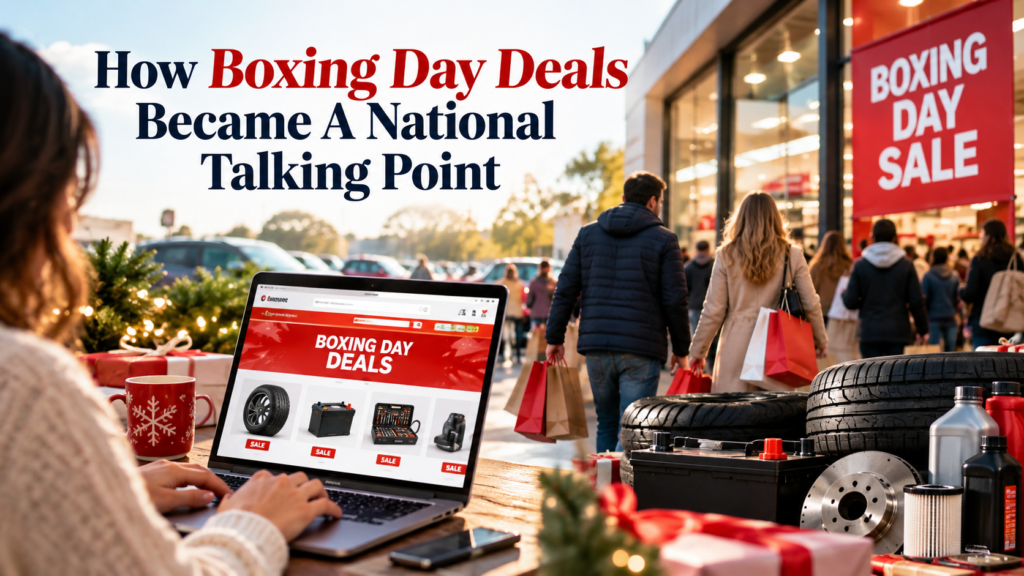
Every year, just as the wrapping paper settles and the last slices of festive dessert disappear, a different kind of anticipation begins to build. Streets hum, websites slow under pressure, and conversations shift from holiday meals to markdowns. Somehow, what started as a post-Christmas shopping tradition has grown into something much bigger. It is no longer only about bargains. It is about habit, excitement, identity, and even a little national theater. That is why boxing day deals have become such a powerful talking point across the country.
You can hear it everywhere. Families compare plans over breakfast. Friends send each other links late at night. Neighbors debate whether the discounts are truly worth it. Some people treat the day like a sport, while others roll their eyes and swear they are above it all—until they spot the one item they have wanted for months at a price that feels impossible to ignore. That emotional push and pull is exactly what turned a shopping event into a cultural conversation.
Why Boxing Day Sales Capture So Much Attention
Part of the fascination comes from timing. Boxing Day arrives at a strange emotional crossroads. You have just come through the warmth of celebration, generosity, and togetherness, yet you are also standing at the edge of a new year, thinking about change, budgets, and fresh starts. Shopping during this moment feels loaded with meaning. A discount is not just a discount. It can feel like relief. It can feel like opportunity. It can even feel like reward.
That is why boxing day sales are discussed with such intensity. They tap into something deeper than consumer interest. They connect with your sense of smart decision-making. They play into that quiet hope that you can begin the next chapter well, whether that means replacing an old appliance, updating a wardrobe, or finally buying the laptop you have postponed all year.
There is also the shared spectacle of it all. Even people who do not shop still talk about it. They want to know who lined up at dawn, what sold out in minutes, and whether the “unmissable” discounts were really all that impressive. The event creates stories, and stories travel fast.
From Store Queues to National Conversation
Years ago, Boxing Day was defined by packed car parks, eager crowds, and the unmistakable sight of people clutching shopping bags with a strange mix of pride and exhaustion. Today, much of the action has moved online, but the emotional energy has not disappeared. If anything, it has expanded. Social media turned private purchases into public discussion. A single deal can dominate group chats, trend online, and spark heated debates over value within hours.
This shift matters because it transformed shopping into commentary. People are no longer only buying. They are reviewing, comparing, praising, mocking, and warning. In one household, a relative might rave about saving hundreds. In another, someone may feel denigrated after being brushed off for getting excited over a discounted air fryer—only for everyone else to ask for the link moments later. That little sting is part of the modern Boxing Day mood: people pretend not to care until they absolutely do.
The Emotional Pull Behind the Frenzy
There is something deeply human in the rush. Not because everyone loves spending, but because everyone understands the thrill of possibility. A deal suggests that something previously out of reach may suddenly be yours. That feeling is hard to dismiss, especially at the end of a year that may have felt expensive, draining, or uncertain.
We also cannot ignore tradition. For many households, browsing boxing day sales has become as routine as putting away decorations. It is part ritual, part entertainment, part strategy. One person scans electronics. Another looks at home essentials. Someone else insists they are “just checking,” then quietly fills an online basket before lunch.
And then there are the personalities that emerge. Every family seems to have an implacable bargain hunter—the one who refuses to be deterred by website crashes, stock shortages, or endless tabs open on multiple devices. You know the type. They sit there, calm but relentless, comparing prices with the focus of a seasoned detective. Their determination becomes oddly admirable, even contagious.
How Boxing Day Deals Reflect Modern Life
The reason this day became a national talking point is simple: it mirrors who people are and what they care about right now. Rising costs have made value more important. Digital life has made comparison easier. Public conversation has made every purchase feel like a tiny statement. Are you savvy or impulsive? Practical or indulgent? Patient or reactive? Boxing Day puts all of that on display.
It also reveals changing priorities. People are no longer shopping only for luxuries. Many are searching for useful, long-delayed purchases: kitchen goods, children’s items, work-from-home equipment, and repairs for things they depend on every day. That practicality gives the day more relevance and more emotional weight.
Why Boxing Day Auto-Parts Deals Matter Too
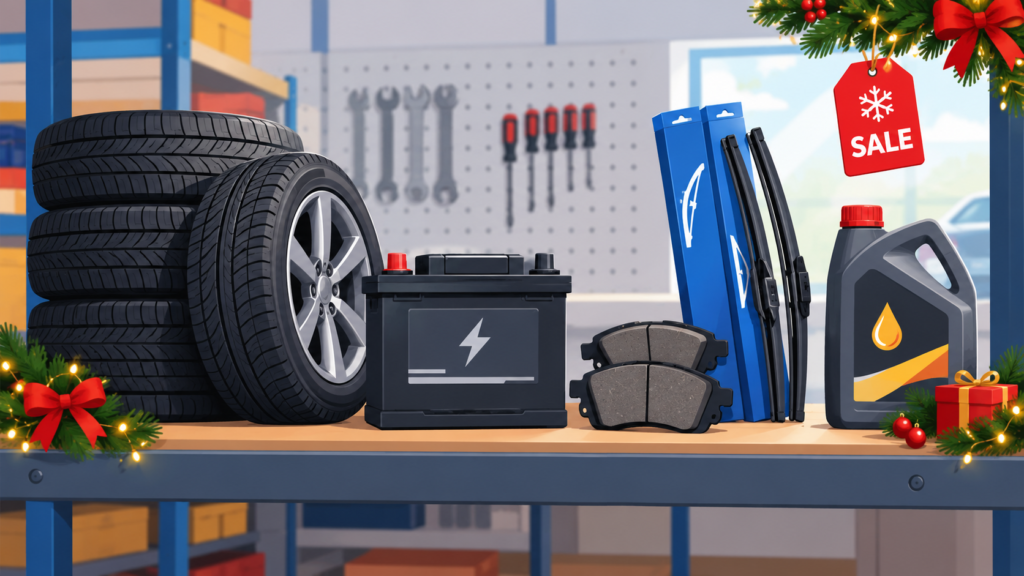
One of the clearest signs that this tradition has grown beyond flashy retail is the rise of boxing day auto-parts deals. At first glance, auto parts may not sound like the dramatic centerpiece of a national shopping conversation, but they tell the story perfectly. The title of this article is about how these deals became a national talking point, and auto-parts promotions prove why. They show that Boxing Day is no longer only about trendy gadgets or luxury goods. It is also about practical needs, household budgets, and keeping daily life moving.
For many drivers, discounted tires, batteries, brake components, and maintenance supplies can make a real difference after an expensive holiday season. These are not glamorous purchases, but they are important ones. Their presence in Boxing Day discussions highlights how broad and personal the event has become. When people are passionately swapping advice about wiper blades and engine oil alongside televisions and fashion, you know the tradition has evolved into something much bigger than shopping.
What Keeps the Tradition Rising
Another reason this annual event remains so powerful is that it gives people a feeling of momentum. After the emotional fullness of Christmas, there is often a lull. Boxing Day interrupts that lull. It gives the nation something to do, discuss, and anticipate together. In that sense, the event did not merely survive modern life. It managed to ascend within it.
A small anecdote captures this perfectly. One quiet shopper, usually uninterested in seasonal noise, once clicked into a sale “just to look” and ended up finding the one household item they had needed all year. The satisfaction was immediate, almost uplifting. It was not just a purchase. It felt like a small personal win at exactly the right time.
Where the Conversation Goes Next
What makes boxing day sales endure is not simply price. It is participation. Whether you buy, browse, complain, or celebrate, you are part of the conversation. That is the genius of it. The day invites everyone in.
As shopping habits continue to change, the national fascination will likely remain. The platforms may evolve. The queues may shorten. The discounts may become smarter, faster, and more targeted. But the emotional electricity around boxing day deals is not fading anytime soon. They have become a mirror of modern hopes, pressures, and pleasures—and that is why the whole country keeps talking.