
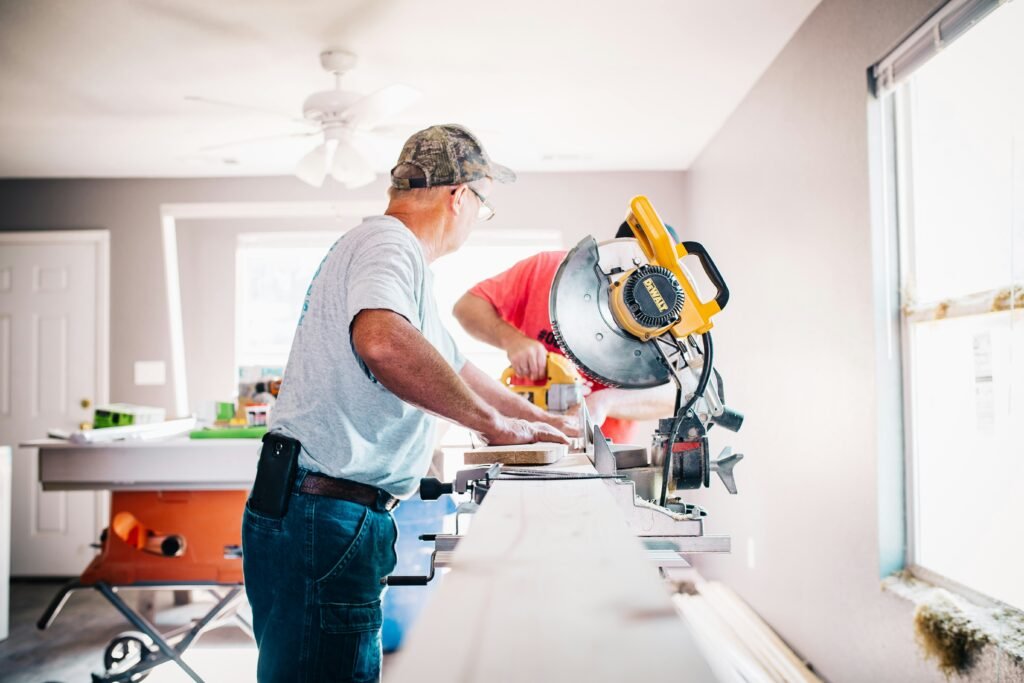
Buildings rely on strong carpentry for structure, safety, usability, and visual appeal. From doors, windows, trim, decks, cabinets, stairs, and flooring to framing, siding, railings, and built-in storage, woodwork supports both the appearance and performance of residential and commercial properties. When these elements become damaged by age, moisture, impact, pests, or poor installation, professional carpentry repair becomes essential for protecting long-term property value.
Carpentry repair involves identifying damaged wood components, restoring structural integrity, replacing deteriorated sections, repairing finishes, and improving the performance of built-in features. Unlike purely cosmetic updates, quality carpentry work addresses the underlying condition of the material and ensures that repaired areas remain durable, functional, and visually consistent with the surrounding structure.
Property owners increasingly rely on skilled carpenters because small wood-related problems can become expensive if ignored. A loose stair tread, rotting window frame, damaged deck board, cracked trim, or misaligned door may seem minor at first, but each issue can affect safety, energy efficiency, moisture protection, and interior presentation.
According to the U.S. Bureau of Labor Statistics, employment of carpenters is projected to grow 4% from 2024 to 2034, with about 74,100 openings projected each year on average. This steady demand reflects the ongoing need for skilled professionals who can build, repair, and maintain wood structures across residential and commercial properties.
Whether maintaining an older home, repairing rental property damage, improving a commercial space, or preparing a property for sale, professional carpentry repair helps restore confidence in the condition, appearance, and usability of the built environment.
Identify Wood Damage Before It Becomes a Larger Structural Problem
Early identification is one of the most important steps in effective carpentry repair. Wood damage often begins subtly, especially in areas exposed to moisture, temperature changes, heavy use, or hidden leaks.
Professional carpenters inspect visible and concealed wood elements to determine whether a repair requires surface restoration, partial replacement, reinforcement, or full reconstruction.
Common signs of carpentry damage include:
| Damage Sign | Possible Cause | Repair Priority |
|---|---|---|
| Soft or crumbling wood | Moisture intrusion or rot | High |
| Cracked trim or molding | Impact, age, or movement | Moderate |
| Sticking doors | Frame movement or humidity | Moderate |
| Loose railings | Fastener failure or structural wear | High |
| Sagging shelves | Overloading or poor support | Moderate |
| Warped boards | Moisture or temperature changes | Moderate |
Carpentry repair professionals evaluate the source of the damage rather than simply covering it. For example, replacing rotted trim without addressing the water leak behind it may allow the problem to return quickly.
Moisture remains one of the most common causes of wood deterioration. Bathrooms, kitchens, basements, decks, exterior siding, window frames, and door thresholds often require careful inspection because these areas frequently experience humidity or water exposure.
A thorough assessment helps property owners choose repairs that solve both the visible issue and the underlying cause.
Repair Interior Woodwork to Improve Everyday Functionality
Interior carpentry directly affects how a property functions day to day. Doors should close properly, cabinets should operate smoothly, stairs should feel secure, and trim should remain intact. When interior woodwork becomes damaged, small inconveniences can gradually reduce comfort and usability.
Carpentry repair services help restore these interior features without requiring full replacement in many cases.
Interior repair work often includes:
- Door frame repairs
- Cabinet adjustments
- Baseboard and trim replacement
- Stair tread repairs
- Built-in shelving reinforcement
- Window casing restoration
- Hardwood floor patching
A skilled carpenter can often match existing wood profiles, finishes, and design details so repairs blend naturally with the original structure.
| Interior Feature | Common Problem | Repair Solution |
|---|---|---|
| Doors | Misalignment or frame damage | Rehang, plane, or reinforce |
| Cabinets | Loose hinges or damaged panels | Adjust hardware or replace sections |
| Stairs | Squeaks or loose treads | Secure, reinforce, or replace |
| Trim | Cracks or separation | Repair, caulk, or replace |
| Shelving | Sagging or instability | Add support or rebuild |
Interior carpentry repair improves more than appearance. Properly repaired doors can improve privacy and energy control, secure railings can reduce safety risks, and restored cabinets can extend the usefulness of expensive built-in systems.
In my experience, small interior wood repairs often make a property feel noticeably better maintained because people interact with doors, cabinets, stairs, and trim every day.
Restore Exterior Carpentry to Protect Against Weather Damage
Exterior woodwork faces constant exposure to rain, sun, humidity, wind, insects, and seasonal temperature changes. Over time, these conditions can lead to rot, splitting, peeling paint, warped boards, and loose structural components.
Professional carpentry repair helps protect exterior surfaces by replacing damaged wood, sealing vulnerable joints, reinforcing structural elements, and preparing surfaces for paint or stain.
Exterior carpentry repair commonly includes:
| Exterior Area | Common Issue | Repair Benefit |
|---|---|---|
| Window Frames | Rot or water damage | Improved weather protection |
| Door Thresholds | Wear or moisture intrusion | Better sealing |
| Deck Boards | Cracking or soft spots | Safer outdoor use |
| Fascia Boards | Rot near rooflines | Protected roof edges |
| Siding Sections | Warping or deterioration | Improved exterior integrity |
| Porch Railings | Looseness or decay | Safer access |
Exterior repairs must address both strength and weather resistance. Repaired areas often require priming, sealing, caulking, flashing improvements, or protective coatings to prevent future deterioration.
Decks, porches, fences, and exterior stairs require special attention because damaged components can create safety hazards. Loose railings, weakened steps, and rotted boards should be repaired promptly to reduce accident risks.
Exterior carpentry repair also supports curb appeal. Freshly repaired trim, siding, and porch details can significantly improve the overall appearance of a property.
Strengthen Structural Carpentry for Safety and Stability
Some carpentry repair projects go beyond surface restoration and involve structural support. Framing, joists, beams, subfloors, stair systems, and load-bearing wood components require careful evaluation because they affect building safety and stability.
Professional carpenters assess structural wood damage and determine whether reinforcement, sistering, replacement, or rebuilding is necessary.
Structural repair situations may include:
- Damaged floor joists
- Weak stair framing
- Rotten subflooring
- Cracked support beams
- Framing damage from leaks
- Termite-damaged wood
- Sagging decks or porches
Structural repairs often require coordination with inspectors, engineers, or contractors depending on the severity of the issue.
| Structural Component | Risk if Ignored | Repair Approach |
|---|---|---|
| Floor Joists | Sagging or uneven floors | Reinforcement or replacement |
| Beams | Reduced load support | Engineering-based repair |
| Subfloors | Soft or unstable flooring | Remove and replace sections |
| Stair Framing | Safety hazards | Reinforce supports |
| Deck Framing | Collapse risk | Replace damaged members |
Quality structural carpentry repair requires accuracy, proper fasteners, suitable lumber, and adherence to local building requirements.
Property owners should avoid quick cosmetic fixes when structural damage is suspected. Covering weakened wood without repairing it can create larger safety and financial risks later.
A qualified carpenter helps ensure that repaired areas perform reliably under normal use and environmental stress.
Repair Cabinets, Built-Ins, and Custom Wood Features
Cabinets and built-in wood features represent major investments in both residential and commercial interiors. Kitchens, bathrooms, offices, retail spaces, libraries, and entertainment areas often rely on custom carpentry for storage, organization, and visual character.
Carpentry repair can restore these features when damage affects doors, drawers, shelving, hardware, panels, or finishes.
Common cabinet and built-in repairs include:
| Feature | Common Damage | Repair Method |
|---|---|---|
| Cabinet Doors | Warping or hinge failure | Adjust or replace hardware |
| Drawers | Sticking or broken slides | Install new slides |
| Shelves | Sagging or cracking | Reinforce or replace |
| Panels | Scratches or impact damage | Patch, refinish, or replace |
| Counter Supports | Weak bracing | Add structural support |
Repairing cabinets and built-ins is often more cost-effective than replacing entire systems, especially when original materials are high quality or custom-built.
Professional carpenters can match wood species, stain colors, trim profiles, and hardware styles to preserve a cohesive design.
Commercial spaces also benefit from built-in carpentry repair. Reception desks, wall panels, display shelving, cabinetry, and service counters must remain attractive and functional for customers and employees.
Well-executed carpentry repair extends the life of custom features while protecting the investment already made in the property.
Improve Energy Efficiency Through Door and Window Repairs
Doors and windows influence more than appearance. Damaged frames, loose trim, gaps, warped sashes, and deteriorated thresholds can allow drafts, moisture, insects, and noise to enter the property.
Carpentry repair helps improve sealing and performance around doors and windows by restoring wood components and closing gaps.
Common efficiency-related repairs include:
- Replacing rotted window trim
- Repairing door jambs
- Adjusting misaligned doors
- Sealing gaps around casings
- Rebuilding thresholds
- Repairing damaged sills
| Repair Area | Efficiency Problem | Benefit |
|---|---|---|
| Door Jamb | Air leakage | Better sealing |
| Window Sill | Water intrusion | Moisture protection |
| Threshold | Drafts and wear | Improved comfort |
| Exterior Trim | Gaps or rot | Stronger weather barrier |
| Interior Casing | Separation | Better finish and sealing |
Even small gaps can affect comfort and energy performance over time. When doors and windows no longer fit properly, heating and cooling systems may work harder to maintain indoor temperatures.
Carpentry repair also helps prevent moisture from entering wall cavities around windows and doors, where hidden damage can become costly.
Properly repaired openings improve comfort, appearance, and long-term building performance.
Preserve Historic and Architectural Wood Details
Older homes and architecturally distinctive buildings often include wood details that are difficult or expensive to replace. Original molding, doors, stair rails, wainscoting, porch columns, window casings, and built-ins contribute significantly to property character.
Carpentry repair allows property owners to preserve these features while restoring function and appearance.
Historic wood repair often requires:
| Preservation Need | Repair Focus |
|---|---|
| Matching Profiles | Maintain original design |
| Wood Species Selection | Preserve material consistency |
| Finish Restoration | Blend old and new surfaces |
| Hand-Fit Repairs | Protect unique details |
| Minimal Replacement | Preserve original craftsmanship |
Unlike standard replacement work, preservation-focused carpentry repair often emphasizes careful restoration, selective patching, and material matching.
Carpenters may use techniques such as Dutchman repairs, epoxy consolidation, custom milling, and finish blending to restore damaged areas without removing entire original components.
Historic properties benefit from repair strategies that respect architectural integrity while improving safety and durability.
For homeowners, preserving original craftsmanship often adds both emotional and financial value to the property.
Choose Materials That Match Durability and Design Goals
Successful carpentry repair depends on selecting the right materials for the location, function, and visual requirement of the project. Interior repairs, exterior repairs, structural repairs, and decorative repairs all require different material considerations.
Carpenters evaluate strength, moisture resistance, finish compatibility, and appearance before choosing replacement wood or composite materials.
Common material options include:
| Material | Best Use |
|---|---|
| Pressure-Treated Lumber | Exterior structural repairs |
| Cedar | Exterior trim and rot resistance |
| Pine | Interior trim and painted finishes |
| Oak | Stairs, flooring, and durable interiors |
| Plywood | Subfloors and cabinet repairs |
| PVC Trim | Moisture-prone exterior areas |
Material selection affects both repair lifespan and maintenance needs. For example, exterior repairs may require rot-resistant wood or composite materials, while interior decorative repairs may focus more on grain pattern and finish matching.
Professional carpentry repair also considers fasteners, adhesives, sealants, primers, and coatings. These supporting materials help determine how well the repair performs over time.
A repair that looks good initially but uses the wrong materials may fail prematurely.
Experienced carpenters balance appearance, durability, and cost to recommend practical repair solutions.
Plan Carpentry Repair Before Selling or Renting Property
Carpentry issues can influence buyer confidence, tenant satisfaction, inspection results, and property presentation. Loose railings, damaged trim, sticking doors, rotted exterior wood, or broken cabinets may create the impression that a property has not been maintained carefully.
Professional carpentry repair helps prepare properties for sale, rental turnover, or commercial occupancy.
Pre-listing and turnover repairs often include:
- Fixing damaged trim
- Repairing doors and frames
- Replacing rotted exterior wood
- Adjusting cabinets
- Repairing stairs or railings
- Restoring decks and porches
- Patching flooring sections
| Property Goal | Carpentry Repair Value |
|---|---|
| Home Sale | Stronger buyer impression |
| Rental Turnover | Better tenant readiness |
| Inspection Preparation | Fewer visible concerns |
| Commercial Occupancy | Improved professional appearance |
| Long-Term Ownership | Reduced deferred maintenance |
Small carpentry repairs can have an outsized impact on how a property feels during walkthroughs. Buyers and tenants often notice doors, trim, stairs, cabinets, and exterior wood details immediately.
Addressing these details before listing or leasing helps reduce objections and supports a stronger overall property presentation.
Carpentry repair is often a practical investment because it improves both functionality and perceived quality.
Hire the Right Carpentry Repair Professional
Not all carpentry projects require the same skill set. Repairing a cabinet door differs significantly from rebuilding a porch railing, restoring historic trim, or reinforcing a floor joist. Choosing the right professional ensures the repair matches the project’s technical and design requirements.
Property owners should evaluate carpentry repair providers carefully before hiring.
Important selection factors include:
| Evaluation Factor | What to Look For |
|---|---|
| Repair Experience | Familiarity with similar projects |
| Material Knowledge | Ability to choose proper wood and finishes |
| Tool Capability | Equipment for precise repairs |
| Structural Understanding | Awareness of load-bearing concerns |
| Finish Matching | Skill with trim, stain, and paint blending |
| References or Reviews | Proof of reliable workmanship |
| Clear Estimates | Transparent labor and material pricing |
A qualified carpenter should inspect the damage, explain repair options, identify related risks, and provide a clear scope of work.
For structural repairs, property owners may also need licensed contractors or engineering support depending on local regulations and project complexity.
Good communication matters because carpentry repair often involves decisions about appearance, durability, budget, and timeline.
The right carpentry repair professional helps property owners avoid temporary fixes and invest in repairs that deliver lasting value.
Position Properties for Stronger Long-Term Maintenance
Carpentry repair plays a major role in protecting property condition over time. Wood components support safety, comfort, storage, access, structure, and presentation throughout a building.
When carpentry issues are addressed early, property owners can prevent larger damage, reduce repair costs, and maintain stronger visual appeal.
Routine inspections and timely repairs help identify problems before they spread into surrounding materials. This is especially important in moisture-prone areas, high-traffic interiors, decks, porches, and older structures.
Professional carpentry repair supports both daily usability and long-term property resilience. By restoring damaged woodwork, reinforcing weakened components, and preserving architectural details, carpenters help buildings remain functional, attractive, and valuable.
Conclusion
Carpentry repair is an essential part of property maintenance for homes, rental units, commercial spaces, and historic buildings. Damaged woodwork can affect safety, appearance, energy efficiency, storage, structural performance, and long-term property value.
Professional carpentry repair helps restore doors, windows, trim, cabinets, decks, stairs, framing, railings, siding, and built-in features with durable and visually consistent solutions. Skilled carpenters identify underlying causes, choose appropriate materials, and complete repairs that support both function and design.
From minor trim restoration to structural wood reinforcement, carpentry repair allows property owners to protect investments, improve presentation, and maintain safer, more reliable spaces.
As buildings age and property owners continue prioritizing preventative maintenance, professional carpentry repair will remain an important service for preserving strength, beauty, and long-term value.
Frequently Asked Questions About Carpentry Repair
What is carpentry repair?
Carpentry repair involves fixing, restoring, reinforcing, or replacing damaged wood components such as doors, trim, cabinets, stairs, decks, siding, framing, and built-ins.
When should homeowners schedule carpentry repair?
Homeowners should schedule carpentry repair when they notice rot, cracks, loose railings, sticking doors, damaged trim, warped boards, sagging shelves, or unsafe stairs.
Can carpentry repair fix rotted wood?
Yes. Rotted wood can often be repaired through partial replacement, reinforcement, sealing, or full component replacement depending on the severity of the damage.
Is carpentry repair better than replacement?
Repair is often better when the damage is limited and the original material is valuable or structurally sound. Replacement may be necessary when damage is severe or widespread.
Does carpentry repair improve property value?
Yes. Well-executed carpentry repair improves appearance, safety, functionality, and maintenance quality, all of which can support stronger property value.
What should I look for in a carpentry repair professional?
Look for repair experience, material knowledge, strong reviews, clear estimates, finish-matching ability, proper tools, and understanding of structural concerns when needed.