
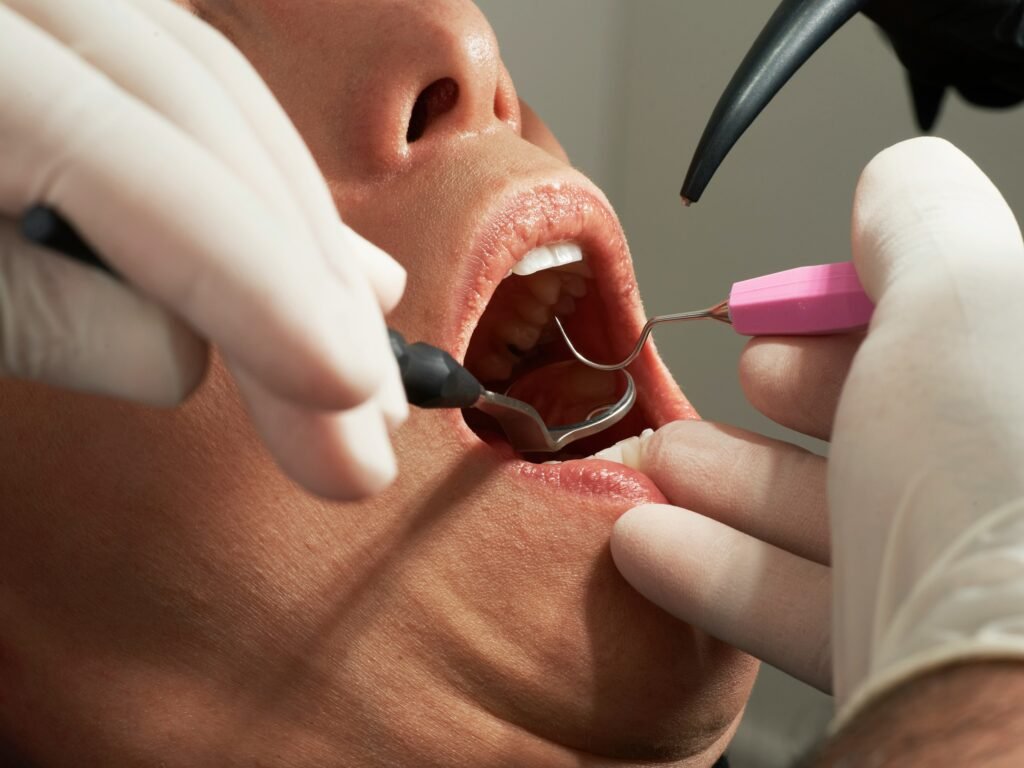
Tooth extraction is one of the most common dental procedures, but recovery often raises practical questions that patients may not think about until they are back home. One of the biggest concerns is simple: when can i eat solid food after tooth extraction without causing pain, bleeding, or a dry socket?
The answer depends on the type of extraction, the number of teeth removed, the location of the tooth, your healing response, and your dentist’s specific instructions. In many routine cases, patients begin with liquids and very soft foods on the first day, move toward soft solids after 24 to 48 hours, and gradually return to firmer foods over several days. More complex extractions, such as impacted wisdom teeth, may require a longer soft-food period.
Dental aftercare matters because the extraction site needs time to form and protect a blood clot. That clot acts as a natural covering over the bone and nerves while early healing begins. The NHS advises that solid foods may feel uncomfortable for the first 1 to 2 days and recommends soft foods such as soups, scrambled eggs, bread, pasta, and mashed potatoes during early recovery. It also advises avoiding hot food and drinks for 2 days because they may increase bleeding risk. (Guy’s and St Thomas’ NHS Trust)
According to the American Dental Association, dentists in the United States perform millions of tooth extractions every year, with wisdom tooth removal alone remaining one of the most common oral surgery procedures among young adults. As a result, post-extraction recovery guidance has become an important part of preventive dental care and complication management.
Understanding when can i eat solid food after tooth extraction helps patients avoid rushing their diet too quickly while still getting enough nutrition to support healing.
Understand the First 24 Hours After Tooth Extraction
The first 24 hours are the most important period for protecting the extraction site. During this stage, the blood clot is still forming, and anything that disrupts it can delay healing or increase the risk of complications.
Most patients should focus on cool or lukewarm liquids and very soft foods. Avoid chewing directly on the extraction side, and avoid foods that require hard biting, grinding, or pulling.
Best Foods During the First Day
| Food Type | Good Options |
|---|---|
| Cool soft foods | Yogurt, applesauce, pudding |
| Smooth textures | Mashed potatoes, blended soup |
| Protein-rich soft foods | Scrambled eggs, cottage cheese |
| Hydrating options | Water, electrolyte drinks |
| Gentle carbohydrates | Oatmeal, soft noodles |
Patients should avoid straws, alcohol, smoking, hot drinks, crunchy foods, and vigorous rinsing during the early healing period. Mayo Clinic notes that avoiding straws and carbonated beverages can help prevent the clot from dislodging. (Mayo Clinic)
In my experience, patients who recover most comfortably are usually the ones who treat the first day as a true rest day rather than trying to return to normal eating too quickly.
Move Gradually From Soft Foods to Soft Solids
A common answer to when can i eat solid food after tooth extraction is that soft solids may begin after the first 24 to 48 hours, provided bleeding is controlled and chewing feels comfortable.
Soft solids are foods that require minimal chewing and do not break into sharp pieces. They allow patients to increase nutrition without putting excessive pressure on the healing socket.
Soft Solid Food Timeline
| Recovery Stage | Food Texture |
|---|---|
| First 24 hours | Liquids and very soft foods |
| Days 2–3 | Soft solids if comfortable |
| Days 4–7 | Gradual return to more textured foods |
| After 1 week | Firmer foods if healing is normal |
| After 2 weeks | Most normal foods, unless advised otherwise |
Soft solids may include pasta, soft rice, eggs, pancakes, steamed vegetables, flaky fish, and tender cooked foods.
If chewing causes pain, bleeding, or pressure near the extraction site, return to softer foods for another day or two.
Avoid Foods That Can Dislodge the Blood Clot
The most important reason to delay hard solid foods is dry socket risk. Dry socket occurs when the protective clot is lost or fails to form properly, exposing bone and nerves.
Mayo Clinic explains that dry socket pain usually begins 1 to 3 days after tooth removal and may worsen when food particles collect in the socket. (Mayo Clinic)
Foods to Avoid During Early Healing
| Food Category | Why It Can Be Risky |
|---|---|
| Crunchy foods | Can scrape the socket |
| Seeds and nuts | Can lodge in the wound |
| Chips and crackers | Sharp edges may irritate tissue |
| Spicy foods | May increase irritation |
| Sticky foods | Can pull at the clot |
| Hot foods | May trigger bleeding |
| Carbonated drinks | May disturb clot stability |
Patients asking when can i eat solid food after tooth extraction should focus less on the calendar alone and more on food texture. A soft scrambled egg is very different from a crusty sandwich, even though both are technically solid foods.
One thing many dental professionals notice is that patients often feel better before the tissue is actually fully healed. That early improvement sometimes leads people to reintroduce crunchy or chewy foods sooner than the socket can tolerate.
Adjust Timing Based on the Type of Extraction
Not all extractions heal at the same pace. A simple extraction usually allows a faster return to soft solids than a surgical extraction.
Extraction Type and Eating Timeline
| Extraction Type | Typical Eating Progression |
|---|---|
| Simple tooth extraction | Soft foods first day, soft solids after 1–2 days |
| Multiple extractions | Soft diet for several days |
| Surgical extraction | Soft foods for 3–7 days |
| Wisdom tooth removal | Soft foods longer, often up to 1 week |
| Extraction with bone graft | Follow dentist-specific diet instructions |
Wisdom teeth and molars often require more caution because chewing pressure tends to be stronger in the back of the mouth.
Patients who had stitches, bone grafting, or difficult surgical removal should follow their oral surgeon’s diet plan closely.
Choose Foods That Support Healing
Recovery is not just about avoiding harm. Good nutrition supports tissue repair, immune function, and energy levels during healing.
Healing-Friendly Foods
| Nutrient Need | Food Options |
|---|---|
| Protein | Eggs, Greek yogurt, soft fish, tofu |
| Vitamins | Smoothies without a straw, mashed vegetables |
| Hydration | Water, broth, electrolyte drinks |
| Gentle calories | Oatmeal, mashed potatoes, pasta |
| Healthy fats | Avocado, soft nut-free spreads |
Protein is especially helpful because the body needs amino acids for tissue repair. Patients who eat too little after extraction may feel weak, nauseated, or slower to recover.
When thinking about when can i eat solid food after tooth extraction, the safest approach is to choose soft, nourishing foods first and increase firmness gradually.
Use the Opposite Side of the Mouth for Chewing
Once soft solids feel comfortable, chewing strategy becomes important. Patients should chew on the opposite side of the extraction site whenever possible.
This protects the healing socket from pressure and reduces the chance of food getting trapped.
Safer Chewing Tips
| Tip | Benefit |
|---|---|
| Chew away from the extraction site | Reduces pressure on the wound |
| Take small bites | Improves control |
| Eat slowly | Prevents accidental irritation |
| Avoid tough textures | Reduces chewing strain |
| Rinse gently after meals after 24 hours | Helps clear food debris |
After the first 24 hours, many dentists recommend gentle warm salt water rinses, especially after meals. NHS dental aftercare guidance recommends rinsing gently with warm salt water after 24 hours while being careful not to dislodge the clot. (NHS England)
Avoid aggressive swishing or forceful spitting, especially during the first few days.
Watch for Signs That You Are Eating Solid Food Too Soon
Your mouth usually gives clear signals when a food is too firm for the healing stage.
Warning Signs
| Sign | What It May Mean |
|---|---|
| New bleeding | Food may have irritated the socket |
| Sharp pain while chewing | Too much pressure |
| Throbbing pain after eating | Tissue irritation |
| Food stuck in socket | Texture may be unsafe |
| Bad taste or odor | Possible debris or infection |
| Increasing pain after day 2 | Possible dry socket |
If pain suddenly worsens after initially improving, contact your dentist or oral surgeon.
Patients asking when can i eat solid food after tooth extraction should avoid pushing through pain. Discomfort is a signal to slow down.
Follow a Day-by-Day Eating Plan
A simple timeline helps patients avoid confusion during recovery.
Tooth Extraction Food Timeline
| Time After Extraction | Recommended Foods | Foods to Avoid |
|---|---|---|
| First few hours | Wait until numbness wears off unless instructed otherwise | Hot drinks, chewing while numb |
| Day 1 | Yogurt, applesauce, cool mashed potatoes, smoothies without straw | Crunchy, hot, spicy, hard foods |
| Days 2–3 | Scrambled eggs, soft pasta, oatmeal, soft rice | Chips, nuts, seeds, tough meat |
| Days 4–7 | Soft sandwiches, tender fish, steamed vegetables | Hard crusts, popcorn, sticky candy |
| Week 2 | Gradual normal diet if comfortable | Foods that hurt or lodge in socket |
This schedule is a general guide, not a replacement for personalized dental advice.
Healing may be slower after surgical extractions, infections, smoking, diabetes, or multiple tooth removals.
Understand Why Hot, Crunchy, and Spicy Foods Are Delayed
Some foods create more risk because of temperature, texture, or irritation.
Food Risk Comparison
| Food Type | Main Concern |
|---|---|
| Hot soup or coffee | May increase bleeding |
| Chips | Sharp edges can damage tissue |
| Popcorn | Kernels can lodge in the socket |
| Spicy sauces | Can irritate healing gums |
| Steak | Requires strong chewing |
| Seeds | Can become trapped |
| Sticky candy | May pull at the clot |
Patients often ask when can i eat solid food after tooth extraction because they want to return to favorites like pizza, burgers, rice, or meat. These foods should be reintroduced based on chewing comfort, not appetite alone.
Pizza crust, tough meat, crunchy fries, and hard bread are usually better delayed until the socket feels more stable.
Protect Healing After Wisdom Tooth Extraction
Wisdom tooth removal often requires a more cautious food timeline than a simple extraction. Surgical removal can involve deeper tissue healing, stitches, swelling, and jaw soreness.
Wisdom Tooth Recovery Food Guide
| Recovery Period | Food Strategy |
|---|---|
| Day 1 | Cool liquids and soft foods |
| Days 2–3 | Soft foods with minimal chewing |
| Days 4–7 | Soft solids as tolerated |
| After 1 week | Gradual return to firmer foods |
| After 2 weeks | More normal diet if healing well |
NHS wisdom tooth guidance advises avoiding hard or crunchy foods and foods that may get stuck in the wound, such as nuts or seeds. It also advises avoiding smoking because it can increase infection risk. (nhs.uk)
For wisdom teeth, patience often prevents setbacks.
Maintain Oral Hygiene Without Disturbing the Socket
Eating solid food too soon is not the only risk. Poor cleaning can also allow food debris and bacteria to irritate the extraction site.
Safe Cleaning Practices
| Timeframe | Oral Hygiene Guidance |
|---|---|
| First 24 hours | Avoid vigorous rinsing |
| After 24 hours | Use gentle warm salt water rinses |
| First few days | Brush nearby teeth carefully |
| During meals | Avoid food packing into socket |
| Ongoing | Follow dentist instructions |
Do not poke the socket with fingers, toothpicks, or hard tools. If food feels trapped, use gentle rinsing after 24 hours rather than forceful removal.
Know When to Call the Dentist
Most tooth extraction recovery is straightforward, but certain symptoms require professional attention.
Call a Dentist If You Notice
| Symptom | Possible Concern |
|---|---|
| Severe pain after day 2 or 3 | Dry socket |
| Persistent bleeding | Clot disruption |
| Fever | Infection |
| Pus or swelling that worsens | Infection |
| Bad odor with pain | Debris or dry socket |
| Trouble swallowing or breathing | Urgent concern |
Dry socket is one of the most common reasons patients experience delayed pain after extraction. Early treatment can reduce discomfort and support recovery.
Conclusion
The safest answer to when can i eat solid food after tooth extraction is gradual progression. Most patients should begin with liquids and very soft foods on the first day, move toward soft solids after 24 to 48 hours if comfortable, and slowly return to firmer foods over several days.
Simple extractions may allow soft solids sooner, while wisdom teeth, surgical extractions, multiple extractions, and bone grafting usually require a longer soft-food period.
The best approach is to protect the blood clot, avoid hard and crunchy foods, chew away from the extraction site, stay hydrated, and follow your dentist’s aftercare instructions. When in doubt, choose softer foods for another day.
A careful diet during the first week can reduce discomfort, protect healing, and lower the risk of complications.
Frequently Asked Questions About When Can I Eat Solid Food After Tooth Extraction
When can i eat solid food after tooth extraction?
Many patients can begin soft solid foods after 24 to 48 hours if bleeding has stopped and chewing feels comfortable. Firmer foods are usually reintroduced gradually over several days.
Can I eat rice after tooth extraction?
Soft rice may be possible after the first couple of days, but small grains can get trapped near the socket. Rinse gently after meals once your dentist allows rinsing.
When can I eat pizza after tooth extraction?
Pizza is usually best delayed for several days because crust can be chewy or sharp. Soft toppings may be easier than hard crust, but wait until chewing feels comfortable.
Can I eat solid food after wisdom tooth extraction?
Wisdom tooth extraction often requires a longer soft-food period. Many patients wait several days to a week before returning to more solid foods.
What foods should I avoid after tooth extraction?
Avoid crunchy foods, nuts, seeds, chips, popcorn, spicy foods, sticky candy, hot drinks, alcohol, and straws during early recovery.
What happens if I eat solid food too soon?
Eating solid food too soon may irritate the socket, trigger bleeding, trap food debris, increase pain, or raise the risk of dry socket.