Cosmetic injectables have become one of the most widely requested non-surgical aesthetic treatments in modern beauty and wellness culture. Patients increasingly seek minimally invasive procedures to reduce wrinkles, soften facial lines, and maintain a more youthful appearance without surgery or extended recovery periods. Among these cosmetic treatments, Botox continues to dominate the global aesthetic market. At the same time, growing public attention around botox gone wrong cases has raised new conversations about patient safety, injector expertise, unrealistic expectations, and long-term cosmetic decision-making.
While Botox procedures are generally considered safe when performed by qualified medical professionals, complications can occur when injections are poorly placed, excessively dosed, improperly diluted, or performed by inexperienced providers. Social media has amplified public awareness of botox gone wrong situations, with viral discussions focusing on frozen facial expressions, drooping eyelids, asymmetry, speech difficulties, and unnatural cosmetic results.
According to the American Society of Plastic Surgeons, more than 9 million botulinum toxin procedures were performed in the United States in 2022, making it one of the most common cosmetic treatments nationwide. The International Society of Aesthetic Plastic Surgery also reported continued global growth in minimally invasive cosmetic procedures, reflecting how rapidly injectables are becoming integrated into mainstream beauty routines. As demand continues rising, so does the importance of proper injector training, facial anatomy expertise, and patient education.
For many consumers, understanding how botox gone wrong situations develop is becoming just as important as understanding the potential cosmetic benefits of treatment itself.
Understand How Botox Works Before Evaluating Botox Gone Wrong Cases
To understand botox gone wrong outcomes, it first helps to understand how Botox functions medically and cosmetically.
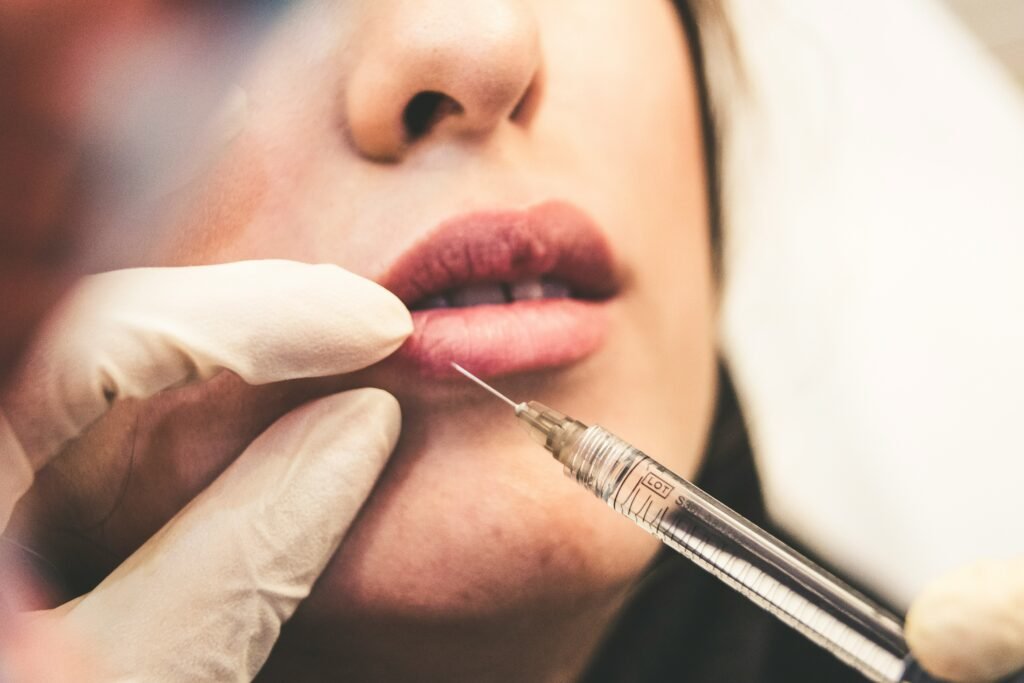
Botox is a purified neurotoxin derived from Clostridium botulinum. When injected into targeted muscles, it temporarily blocks nerve signals that trigger muscle contractions. This relaxation effect softens dynamic wrinkles caused by repeated facial movement.
Common cosmetic treatment areas include:
- Forehead lines
- Crow’s feet
- Frown lines
- Bunny lines
- Jaw slimming
- Neck bands
Common Botox Treatment Areas
| Treatment Area | Typical Cosmetic Goal |
|---|---|
| Forehead | Reduce horizontal lines |
| Glabella | Soften frown lines |
| Crow’s feet | Minimize eye wrinkles |
| Masseter muscles | Slim jaw appearance |
| Neck bands | Improve neck smoothness |
| Brow area | Create subtle lift |
Problems associated with botox gone wrong situations often occur when the injection affects unintended muscles or when treatment planning does not properly account for facial balance and anatomy.
Even small placement errors can influence facial symmetry, expression, and muscle movement.
Identify the Most Common Botox Gone Wrong Outcomes
Many botox gone wrong cases involve temporary cosmetic complications rather than severe medical emergencies. However, even temporary issues can significantly affect confidence and appearance.
Common Botox Gone Wrong Results
| Complication | Possible Cause |
|---|---|
| Drooping eyelids | Incorrect injection placement |
| Uneven eyebrows | Imbalanced dosing |
| Frozen facial appearance | Excessive product use |
| Crooked smile | Migration into nearby muscles |
| Difficulty speaking | Poor lower-face injection technique |
| Heavy forehead feeling | Over-relaxed forehead muscles |
Some patients also experience:
- Facial stiffness
- Headaches
- Bruising
- Swelling
- Temporary asymmetry
- Limited facial expression
In my experience, many patients assume Botox mistakes only happen in extreme celebrity cases, but subtle injector errors are actually far more common and often result from poor anatomical assessment rather than dramatic overuse.
One thing many experienced injectors recognize quickly is that natural facial movement usually matters more to patients long term than achieving perfectly wrinkle-free skin.
Fortunately, most cosmetic complications linked to botox gone wrong outcomes improve gradually as the neurotoxin wears off over several weeks or months.
Examine Why Provider Experience Matters So Much
One of the biggest factors influencing botox gone wrong outcomes is injector experience.
Botox injections may appear simple on social media, but facial anatomy is highly complex. Muscles interact differently depending on facial structure, age, gender, muscle strength, and previous cosmetic procedures.
Why Injector Skill Matters
| Provider Factor | Impact on Results |
|---|---|
| Facial anatomy knowledge | Improves injection precision |
| Experience level | Reduces complication risk |
| Conservative dosing | Prevents frozen appearance |
| Proper consultation | Aligns expectations |
| Sterile technique | Improves patient safety |
| Advanced training | Supports natural outcomes |
Qualified injectors often include:
- Board-certified dermatologists
- Plastic surgeons
- Facial plastic surgeons
- Experienced nurse injectors
- Medical aesthetic specialists
Poorly trained providers may misunderstand muscle movement patterns or inject incorrect depths and locations.
As cosmetic med spas continue expanding rapidly, patients are increasingly advised to verify credentials, training background, and clinical experience before treatment.
Recognize the Role of Overfilled and Frozen Facial Trends
Some botox gone wrong concerns are not necessarily medical mistakes but aesthetic overcorrections.
Overuse of Botox can create an unnatural appearance where facial expressions become overly restricted or emotionally flat.
Signs of Overdone Botox
| Cosmetic Issue | Appearance Effect |
|---|---|
| Excessive forehead paralysis | Limited eyebrow movement |
| Over-smoothed skin | Artificial appearance |
| Expression loss | Reduced emotional communication |
| Imbalanced facial movement | Unnatural asymmetry |
| Excessive brow elevation | “Surprised” look |
The growing popularity of preventative Botox among younger adults has also increased discussion around maintaining natural movement versus aggressively minimizing all visible expression lines.
Patients increasingly seek “soft Botox” or “baby Botox” approaches that preserve facial movement while still reducing wrinkles.
Natural-looking outcomes usually depend on moderation, individualized planning, and realistic expectations.
Compare Temporary Side Effects vs Serious Botox Gone Wrong Complications
Not every negative reaction qualifies as a major botox gone wrong event.
Mild side effects are relatively common and often resolve quickly without long-term concerns.
Temporary vs Serious Botox Reactions
| Mild Temporary Effects | More Serious Complications |
|---|---|
| Mild swelling | Significant eyelid drooping |
| Injection-site bruising | Facial muscle weakness |
| Headache | Difficulty swallowing |
| Minor tenderness | Vision problems |
| Temporary tightness | Severe asymmetry |
| Mild redness | Allergic reactions |
The U.S. Food and Drug Administration has also issued warnings that botulinum toxin products can rarely spread beyond the injection site and produce more serious systemic effects.
Severe reactions remain uncommon when Botox is administered properly in appropriate doses by qualified professionals.
Still, patients should seek medical attention if they experience:
- Breathing difficulty
- Trouble swallowing
- Severe muscle weakness
- Vision changes
- Allergic symptoms
Understand How Facial Anatomy Influences Botox Results
Every face responds differently to Botox treatment.
Muscle strength, facial asymmetry, skin thickness, aging patterns, and previous cosmetic procedures all influence outcomes.
Facial Anatomy Variables
| Anatomical Factor | Effect on Botox Results |
|---|---|
| Strong forehead muscles | May require different dosing |
| Natural asymmetry | Can affect balance |
| Skin elasticity | Influences wrinkle visibility |
| Previous filler use | Alters facial proportions |
| Eyelid position | Affects brow treatment planning |
One reason botox gone wrong situations occur is because providers sometimes use standardized injection patterns without fully customizing treatment for individual anatomy.
Highly experienced injectors typically adjust placement carefully based on muscle movement analysis rather than using identical treatment maps for every patient.
Evaluate the Risks of Discount Botox and Non-Medical Providers
The growth of cosmetic med spas and social media marketing has increased access to lower-cost injections. However, extremely cheap treatments can increase the risk of botox gone wrong complications.
Warning Signs When Choosing a Botox Provider
| Red Flag | Why It Matters |
|---|---|
| Extremely low pricing | May indicate diluted product |
| Lack of credentials | Reduced medical oversight |
| No consultation process | Poor treatment planning |
| Non-medical setting | Lower safety standards |
| Unrealistic promises | Potential over-treatment |
| Limited emergency protocols | Increased patient risk |
Patients should verify:
- Licensing
- Medical supervision
- Injector experience
- Product authenticity
- Before-and-after portfolio
- Safety protocols
Botox should always be treated as a medical procedure, not simply a beauty trend.
Learn How Botox Gone Wrong Cases Are Corrected
Many botox gone wrong outcomes improve naturally over time because Botox effects are temporary.
However, providers may still use supportive correction strategies.
Common Botox Correction Approaches
| Correction Method | Purpose |
|---|---|
| Time and observation | Allows Botox to fade naturally |
| Strategic balancing injections | Improves symmetry |
| Prescription eye drops | Helps eyelid drooping |
| Facial exercises | Supports muscle activity |
| Follow-up adjustments | Refines treatment balance |
Unlike dermal fillers, Botox cannot simply be dissolved immediately.
This is why conservative treatment approaches often reduce the risk of major dissatisfaction.
Experienced injectors frequently start with lower dosing and reassess results after initial healing.
Examine Social Media’s Influence on Botox Expectations
Social media has dramatically influenced public perception of cosmetic injectables and botox gone wrong outcomes.
Platforms like TikTok, Instagram, and YouTube regularly feature:
- Botox transformation videos
- Cosmetic procedure reviews
- Celebrity cosmetic discussions
- Med spa advertising
- Viral complication stories
Social Media Effects on Botox Trends
| Trend | Possible Influence |
|---|---|
| Celebrity beauty standards | Increased cosmetic demand |
| Viral complication videos | Greater public caution |
| Influencer marketing | Faster trend adoption |
| Filter culture | Unrealistic expectations |
| Preventative Botox promotion | Younger patient interest |
While social media increases awareness, it can also distort expectations around both perfection and risk.
Many online before-and-after photos lack context regarding lighting, editing, swelling, or healing timelines.
Patients benefit most from realistic consultations grounded in anatomy and medical assessment rather than viral cosmetic trends.
Recognize Psychological and Emotional Effects of Botox Gone Wrong Experiences
For some patients, botox gone wrong experiences can affect emotional well-being and self-confidence significantly.
Unexpected facial changes may create:
- Social anxiety
- Embarrassment
- Regret
- Reduced self-esteem
- Fear of future cosmetic procedures
Emotional Effects of Poor Cosmetic Outcomes
| Emotional Reaction | Potential Impact |
|---|---|
| Appearance anxiety | Social discomfort |
| Loss of confidence | Emotional distress |
| Cosmetic regret | Hesitation about future treatments |
| Hyperfocus on flaws | Increased stress |
| Trust concerns | Difficulty choosing providers |
Because facial appearance plays such a large role in identity and communication, even temporary cosmetic complications can feel emotionally overwhelming.
Clear communication, realistic expectations, and experienced providers often reduce dissatisfaction risk significantly.
Build Safer Botox Experiences Through Better Patient Education
Patient education remains one of the strongest protections against botox gone wrong outcomes.
Well-informed patients are more likely to:
- Choose qualified providers
- Understand realistic outcomes
- Avoid excessive treatment
- Recognize warning signs early
- Follow proper aftercare instructions
Safe Botox Planning Checklist
| Safety Step | Why It Matters |
|---|---|
| Verify provider credentials | Improves treatment safety |
| Schedule medical consultation | Supports proper assessment |
| Discuss medical history | Reduces complication risk |
| Avoid bargain pricing decisions | Improves product quality |
| Start conservatively | Maintains natural appearance |
| Attend follow-up visits | Allows adjustments if needed |
As cosmetic medicine continues growing, patient awareness around safety standards is becoming increasingly important.
Understand Why Botox Remains Popular Despite Risks
Despite discussions around botox gone wrong, Botox remains one of the most popular cosmetic treatments worldwide.
Many patients continue choosing Botox because it offers:
- Non-surgical wrinkle reduction
- Minimal downtime
- Fast treatment sessions
- Temporary effects
- Preventative cosmetic options
When performed correctly, Botox can produce subtle, natural-looking improvements that preserve facial expression while softening wrinkles.
The key difference between successful outcomes and negative experiences often comes down to provider expertise, individualized treatment planning, and realistic cosmetic goals.
Conclusion
The growing attention surrounding botox gone wrong reflects broader public awareness around cosmetic safety, injector qualifications, and realistic beauty expectations.
Although Botox remains a widely used and generally safe aesthetic treatment, poor injection technique, excessive dosing, inadequate training, and unrealistic cosmetic goals can all contribute to unsatisfactory or medically concerning outcomes.
Understanding facial anatomy, choosing experienced providers, maintaining conservative treatment plans, and prioritizing patient education all help reduce the risk of complications.
For patients considering cosmetic injectables, informed decision-making remains the strongest safeguard against negative experiences. As the cosmetic industry continues expanding, awareness around botox gone wrong situations will likely remain an important part of conversations surrounding modern aesthetic medicine.
Frequently Asked Questions About Botox Gone Wrong
What does botox gone wrong usually look like?
Common signs include drooping eyelids, uneven eyebrows, frozen facial expressions, asymmetry, or difficulty moving certain facial muscles naturally.
How long does botox gone wrong last?
Most Botox complications are temporary and improve gradually over several weeks to a few months as the product wears off.
Can botox gone wrong be fixed immediately?
Unlike fillers, Botox cannot usually be dissolved immediately. Some corrective treatments may help improve appearance while waiting for the effects to fade naturally.
What causes botox gone wrong outcomes?
Common causes include poor injection technique, inexperienced providers, excessive dosing, incorrect placement, or failure to account for facial anatomy.
Is Botox safe when performed correctly?
Yes. Botox is generally considered safe when administered by qualified medical professionals using proper dosing and sterile technique.
How can patients avoid botox gone wrong situations?
Patients should choose experienced providers, verify credentials, avoid unusually cheap treatments, discuss medical history thoroughly, and maintain realistic cosmetic expectations.